
Thursday, March 26th
Western science has long resisted and even ridiculed the idea that our planet is alive, but many scientists now recognize that Earth and life continually coevolve and that, together, they form a single, interconnected, living system. Ferris Jabr, NYT bestselling author and one of our most celebrated scientific writers, will explain how, over billions of years, microbes, plants, fungi, and animals radically altered the continents, oceans, and atmosphere, transforming what was once a lump of orbiting rock into our cosmic oasis. Life breathed oxygen into the atmosphere, dyed the sky blue, made fire possible, converted barren crust into fertile soil, and perhaps even helped construct the continents. Over time, life became critical to the planet’s capacity to regulate its climate and maintain balance. Life is Earth and Earth is life.
March 26th | 9:40 am to 10:00 am | Zellerbach Hall
Introduced by
Suzanne Simard
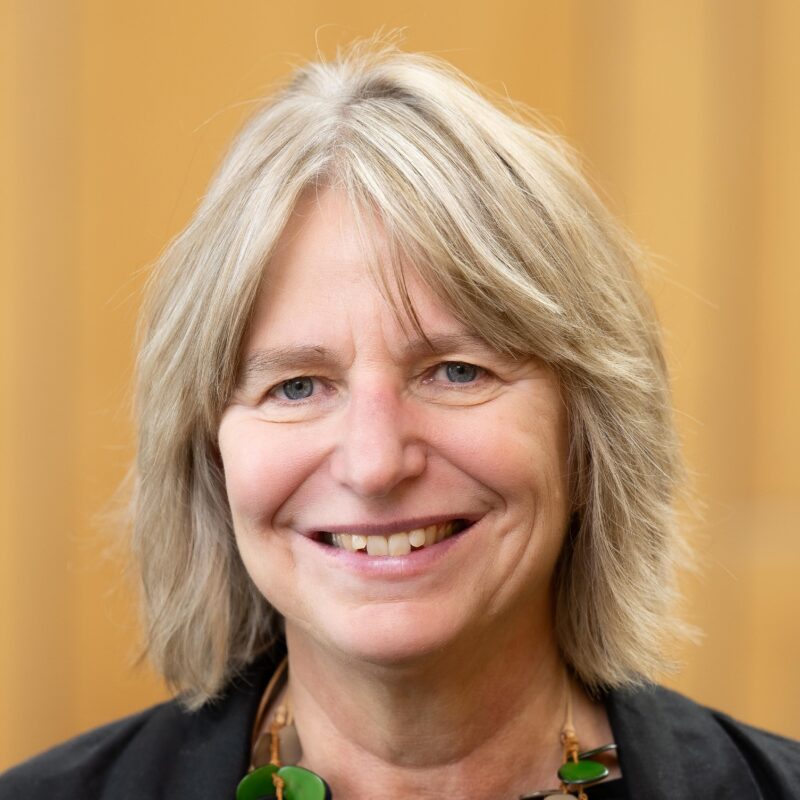
Project Lead | Mother Tree Project and Program
Suzanne Simard, Ph.D., is a Professor of Forest Ecology at the University of British Columbia and leads the Mother Tree Project and Program. Her research—showing that forests are cooperative, connected networks—has revolutionized forest ecology. Her TED Talk has reached millions, and her bestselling book Finding the Mother Tree continues to capture global interest. Named one of TIME’s 100 most influential people in the world in 2024, she champions regenerative forestry rooted in Indigenous knowledge.
Ferris Jabr
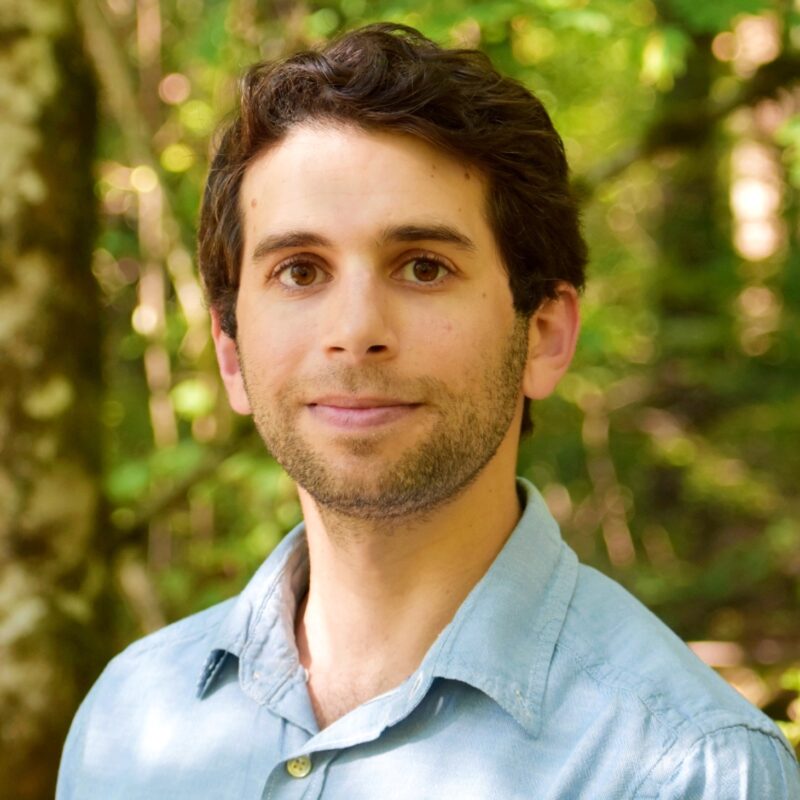
Bestselling Author and NY Times Magazine Writer
Ferris Jabr, a contributing writer for The New York Times Magazine, is the author of the bestselling Becoming Earth, which reviewers have described as an “infectiously poetic” “masterwork” that “earns its place alongside the best of today’s essential popular science books.” Ferris has also written for The New Yorker, The Atlantic, National Geographic, and Scientific American and has received fellowships and grants from Yale, MIT, UC Berkeley, the Pulitzer Center, and the Whiting Foundation. His work has been anthologized in four editions of The Best American Science and Nature Writing series.
After the largest dam removal project in U.S. history in which four out of six dams were removed from the Klamath River, an intertribal cohort of Indigenous youth became the first people in over a century to descend a 310-mile stretch of the river. In this talk, Coley will share her personal story of participating in that journey as one of the paddlers from the Klamath Tribes, while also raising the alarm about the imminent environmental issues facing her community, animal relatives, and sacred waters.
March 26th | 11:00 am to 11:10 am | Zellerbach Hall
Coley Kakols Miller
First Descent Youth Paddler
Coley Kakols Miller, a citizen of the Klamath Tribes, is a Modoc and Klamath youth born and raised at the headwaters of the Klamath River watershed. A high school freshman living on her tribal territory in Southern Oregon and Northern California, Coley was among more than 30 young people who participated in the historic first descent of the Klamath River after the largest dam removal in history. She remains a passionate advocate for removing the last two dams on the Klamath River, working to ensure the Klamath Tribes’ treaty-protected resources are restored to provide for future generations.
Terry Tempest Williams, one of our nation’s living literary treasures and a guiding light for many of us regarding ethics and citizenship, will share how she emerged from a dream during the pandemic in 2020 with a renewed vow she had forgotten. In this time of political and climate chaos, as we seek beauty and cohesion wherever we can find its glimmer, Terry focused on “The Glorians,” the overlooked presences—animal, plant, memory, moment—that reveal our shared vulnerability and interconnectedness with the natural world and how they can inspire us to carry forward with grace. “The Glorians are reaching out to us,” she writes,” inviting us to dream a new world into being.”
March 26th | 11:48 am to 12:10 pm | Zellerbach Hall
Introduced by
Nina Simons
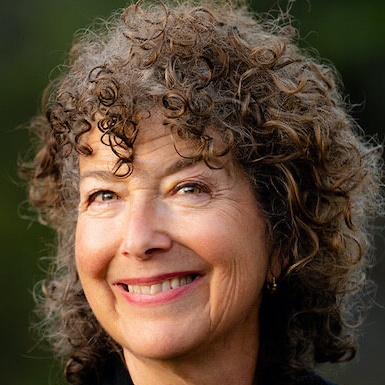
Co-Founder and Chief Relationship Strategist | Bioneers
Nina Simons, co-founder of Bioneers and its Chief Relationship Strategist is also co-founder of Women Bridging Worlds and Connecting Women Leading Change. She co-edited the anthology book, Moonrise: The Power of Women Leading from the Heart, and most recently wrote Nature, Culture & The Sacred: A Woman Listens for Leadership. An award-winning social entrepreneur, Nina teaches and speaks internationally, and previously served as President of Seeds of Change and Director of Strategic Marketing for Odwalla.
Terry Tempest Williams
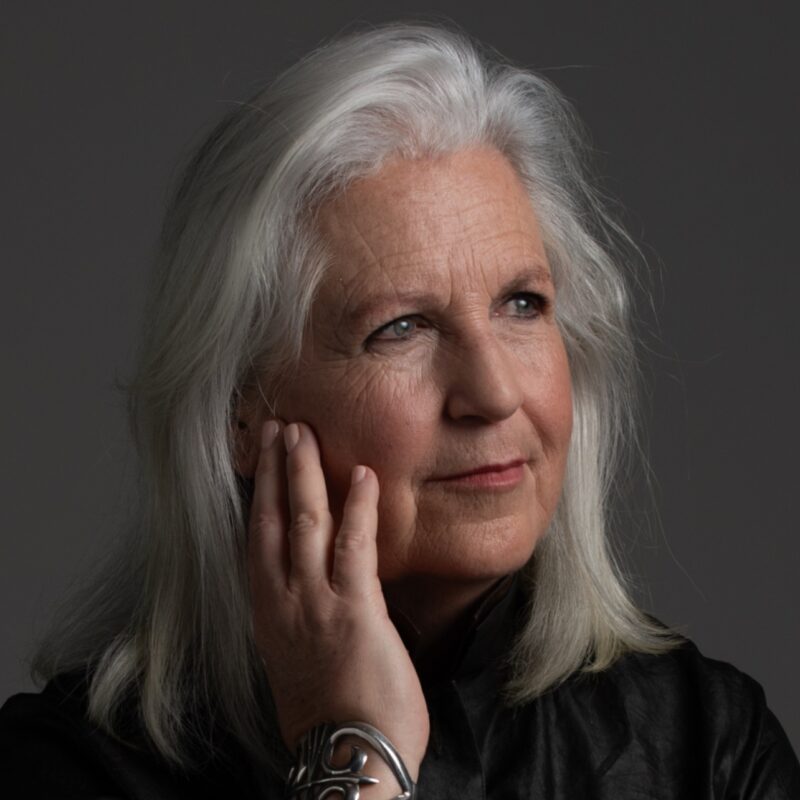
Award-Winning Author and Naturalist
Terry Tempest Williams, a writer, educator, and environmental activist known for her lyrical and impassioned prose, is the author of over twenty creative nonfiction books including the environmental literature classic, Refuge – An Unnatural History of Family and Place, and: The Open Space of Democracy, Finding Beauty in a Broken World, When Women Were Birds, and Erosion – Essays of Undoing. Her most recent book is the The Glorians – Visitations from the Holy Ordinary (spring ’26). A Recipient of Guggenheim and Lannan literary fellowships, Ms. Williams’ work has appeared widely, including in The New York Times, The New Yorker, The Progressive, and Orion, and has been translated worldwide. A member of the American Academy of Arts and Letters, she is currently Writer-in-Residence at the Harvard Divinity School.
Climate volatility, political upheaval, and disruptive technologies are driving increased uncertainty in our lives, but across the planet life not only survives but can thrive in extreme conditions prone to dynamic fluctuations from volcano-forged forests to intertidal zone communities adapted to constant flux to desert creatures that have to optimize scarcity. Some species even thrive in extreme, deep-sea hydrothermal vents and inside the nuclear reactor of Chernobyl! In this session, we will engage in guided group activities to explore how such ecosystems can serve as teachers, inspiring us to find our own adaptive strategies for navigating extremes, including flexible niche-finding, frugality, opportunism, mutualism, and modularity. We’ll leave equipped with a nature-inspired toolkit for building resilience, clarity, and adaptability in turbulent times. Hosted by Biomimicry for Social Innovation (BSI), with: Gina LaMotte, BSI’s Managing Director, Capri LaRocca, BSI Engagement & Learning Lead; and Deb Bidwell, Science Advisor and Senior Instructor.
March 26th | 3:00 pm to 4:15 pm | Campanile Room, 6th Floor, Hotel Shattuck Plaza
Panelists
Gina LaMotte
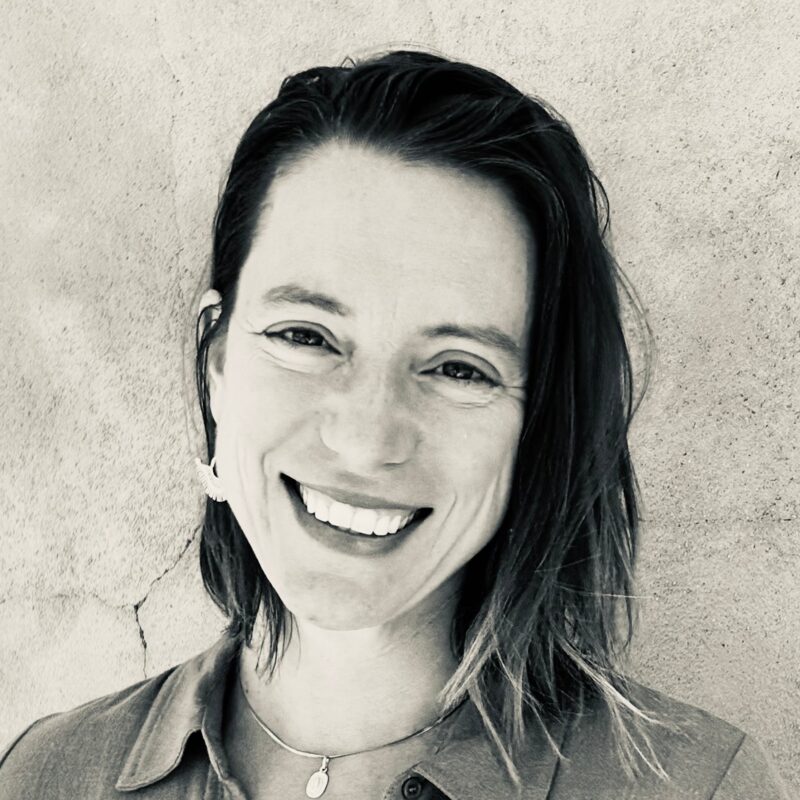
Managing Director | Biomimicry for Social Innovation
Gina LaMotte, Managing Director of Biomimicry for Social Innovation, has 25 years’ experience working in biomimicry, systems-change, social innovation, design thinking, and climate justice. In 2008, she founded EcoRise, a nonprofit supporting thousands of K-12 schools nationwide with programs centering youth leadership to advance climate action, sustainability and environmental justice. She also created Gen:Thrive, which provides network mapping and data visualization tools to advance health, equity, and climate resilience in K-12 schools.
Deb Bidwell
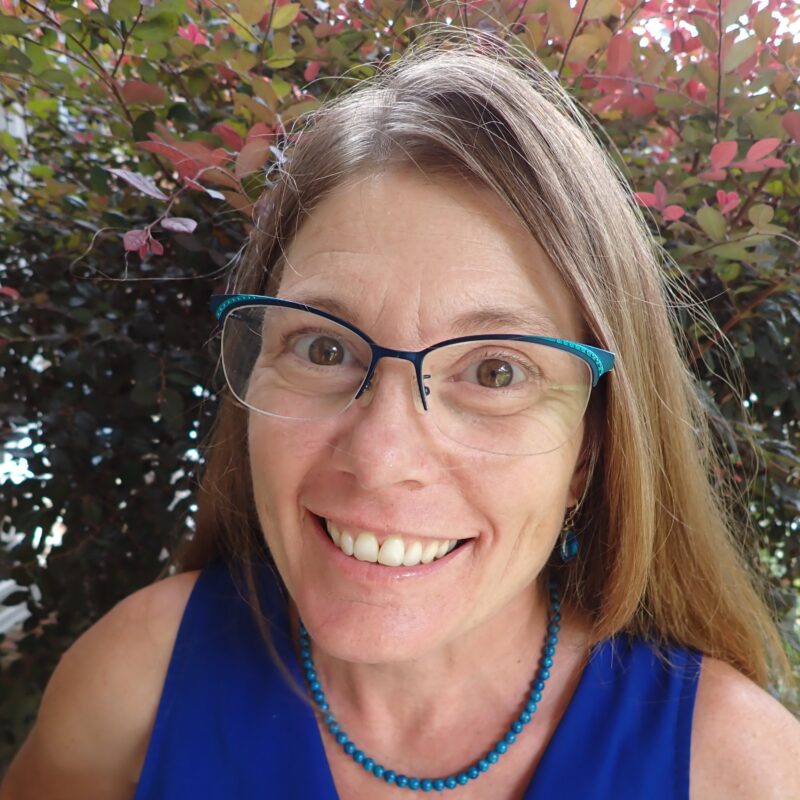
Science Advisor | Biomimicry for Social Innovation
Deborah (Deb) Bidwell is a Senior Biology Instructor at College of Charleston, a science advisor at Biomimicry for Social Innovation, and a freelance consultant at Chickadee Biomimicry. A Certified Biomimicry Professional, Deb specializes in translating biology for regenerative design, biomimicry pedagogy, and curriculum development. Her recent projects include: The Nature of Trust, Nature Positive Practices, Beloved Economies, and Biomimicry on The Ray.
Capri LaRocca
Engagement & Learning Lead | Biomimicry for Social Innovation
Capri LaRocca, an educator and designer, formerly served as Director of Experiential Learning at the Minerva Project and is now a facilitator at The Strother School for Radical Attention and the Engagement and a Learning Lead at Biomimicry for Social Innovation. For over a decade, she has partnered with universities and change-makers globally to reimagine learning in the light of living systems thinking.
In 2025, following the largest dam removal project in U.S. history, an intertribal cohort of Indigenous youth became the first people in a century to descend a 310-mile stretch of the Klamath River. Their journey to the sea was a ceremony, a protest, and a living testament to the resilience of Indigenous peoples and the ongoing decolonization of the watershed. This panel brings together some of these youth paddlers who will share the story of this historic “First Return” descent. Witnessing salmon return to their ancestral waters for the first time in over 100 years ignited profound hope and serves as an inspiring example of how significant environmental victories can transform the lives, identities, and opportunities of young people who experience them firsthand.
The conversation will also highlight the ongoing work that still needs to be addressed. While four dams on the Klamath River have been removed, two major dams in the upper basin still degrade water quality and threaten the survival of the nearly extinct C’waam (Lost River sucker) and Koptu (shortnose sucker) species, as well as the long-term viability of the recently returned salmon (C’iyaal’s). Hosted by Juliette Jackson, JD, author of Stop Killing the Klamath. With: The Klamath Youth Council: Coley Miller, Melia McNair and Taeliah Eggsman.
March 26th | 4:45 pm to 6:00 pm | Berkeley Ballroom, Residence Inn
Panelists
Juliette Jackson
Indigenous Rights Advocate
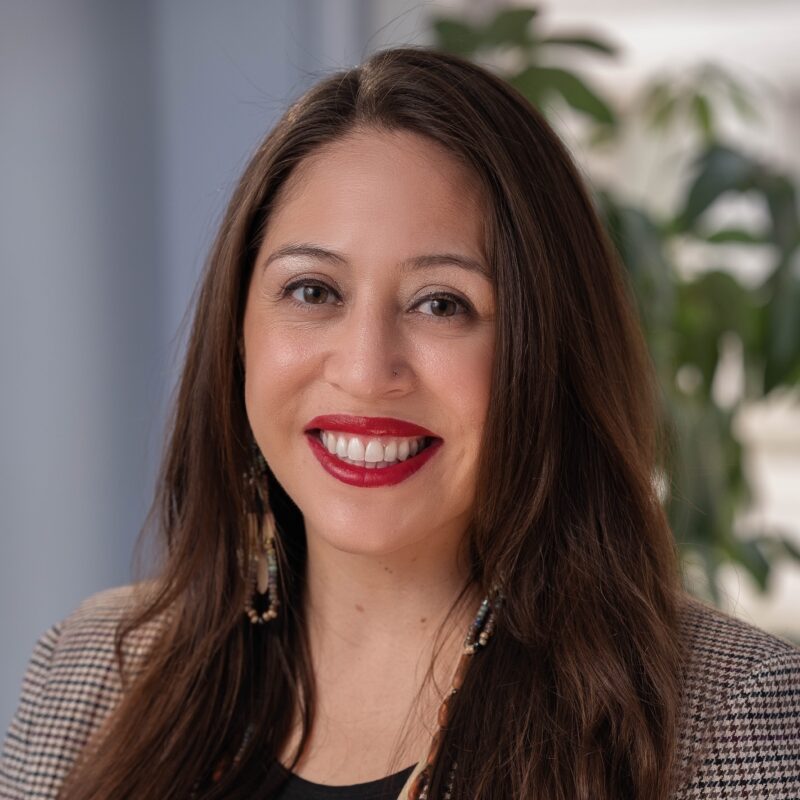
Juliette A. Jackson, J.D, LL.M, an enrolled member of The Klamath Tribes, is an Indigenous rights advocate specialized in energy and environmental law who works at Henkels Law, LLC in Portland, Oregon and also serves as Executive Director of Maqlaqs Gaa’tkni, a native-led nonprofit based in Chiloquin, Oregon. Jackson is also part of the Protecting Mother Earth (PME) Collective, a joint partnership between the Indigenous Environmental Network and Earth Law Center. Her law review article Stop Killing the Klamath: Rights of Nature Protections with Tribal Law, the National Historic Preservation Act, and Collaborative Management Strategies for a Tribe on the Front Lines of Climate Change, has attracted substantial attention in the field of tribal environmental justice.
Coley Kakols Miller
First Descent Youth Paddler
Coley Kakols Miller, a citizen of the Klamath Tribes, is a Modoc and Klamath youth born and raised at the headwaters of the Klamath River watershed. A high school freshman living on her tribal territory in Southern Oregon and Northern California, Coley was among more than 30 young people who participated in the historic first descent of the Klamath River after the largest dam removal in history. She remains a passionate advocate for removing the last two dams on the Klamath River, working to ensure the Klamath Tribes’ treaty-protected resources are restored to provide for future generations.
Melia McNair

Youth Council Secretary | Klamath Tribes
Melia McNair, 15, of Klamath, Modoc, and Filipino ancestry, a sophomore in the Dual Language Immersion program at Rex Putnam High School in Milwaukie, OR, is currently the Klamath Tribes Youth Council Secretary and a passionate advocate for free-flowing rivers, environmental justice and human rights. An experienced paddler, she participated in the historic first kayaking descent of the almost undammed Klamath River in the summer of 2025. Melia also enjoys dancing and singing at powwows and has been practicing taekwondo since she was five years old and is currently an instructor.
Taeliah Eggsman

First Descent Youth Paddler
Taeliah Eggsman, 16, an enrolled Klamath and Modoc tribal member from Chiloquin, Oregon, who was exposed to kayaking with the Rios to Rivers organization as a child, was a participant in the historic, 310-mile “first descent” of the newly (almost) undammed Klamath River by young Indigenous kayakers from a number of tribes in the region.
Bioneers is delighted to bring together three visionary thinkers from very different fields but all at the cutting edge of our understanding of life on our planet. Ferris Jabr, bestselling author of one of the most masterful books of scientific journalism in years, Becoming Earth, has elevated the discourse surrounding the Gaia Hypothesis to a higher octave, elucidating Earth’s dynamic, self-regulating systems continuously transformed by biological processes. Jeannette Armstrong, traditional knowledge keeper of the Okanagan syilx Nation and Full Professor and Coordinator of Interior Salishan Language Studies at the University of British Columbia Okanagan, will bring an indispensable, foundational Indigenous perspective. And world-renowned Forest Ecologist Suzanne Simard, a groundbreaking figure in the study of plant communication and intelligence, author of the highly influential, bestselling Finding the Mother Tree, is just now releasing her newest book, When the Forest Breathes. They will share their insights into how life shapes Earth and explore humanity’s immense responsibility to secure the vitality of the planet, especially in light of what First Peoples have long known and what modern science is discovering about the profound interconnectedness of all life and the myriad intelligences that permeate our world. Moderated by Kimberly Carfore, Ph.D., professor in the Environmental Studies and the Theology and Religious Studies departments at the University of San Francisco.
March 26th | 4:45 pm to 6:00 pm | Freight & Salvage
Panelists
Jeannette Armstrong
Associate Professor | University of British Columbia Okanagan
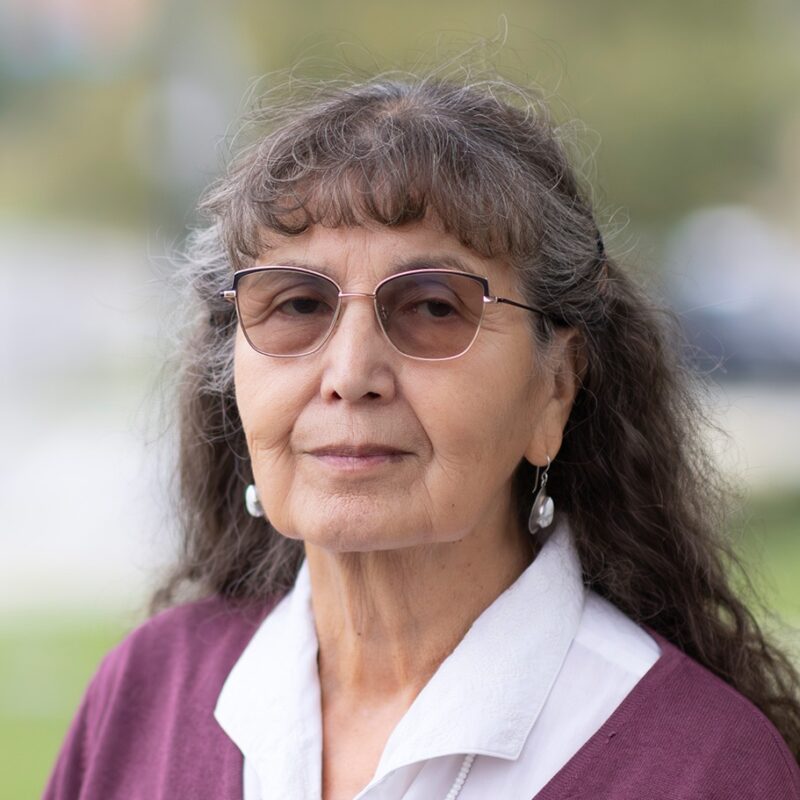
Jeannette Armstrong, (lax̌lax̌tkʷ), Ph.D., of syilx Okanagan ancestry, is a fluent speaker, language teacher and knowledge keeper of Syilx Okanagan; a professor at UBC Okanagan; and Coordinator of that university’s Interior Salishan Languages programs. A recipient of the Eco Trust USA Buffett Award in Indigenous Leadership, Jeannette serves on Canada’s Aboriginal Traditional Knowledge Subcommittee of the Committee on the Status of Endangered Wildlife in Canada and is a lifetime fellow of the Royal Society of Canada and an officer of the Order of Canada.
Ferris Jabr
Bestselling Author and NY Times Magazine Writer
Ferris Jabr, a contributing writer for The New York Times Magazine, is the author of the bestselling Becoming Earth, which reviewers have described as an “infectiously poetic” “masterwork” that “earns its place alongside the best of today’s essential popular science books.” Ferris has also written for The New Yorker, The Atlantic, National Geographic, and Scientific American and has received fellowships and grants from Yale, MIT, UC Berkeley, the Pulitzer Center, and the Whiting Foundation. His work has been anthologized in four editions of The Best American Science and Nature Writing series.
Suzanne Simard
Project Lead | Mother Tree Project and Program
Suzanne Simard, Ph.D., is a Professor of Forest Ecology at the University of British Columbia and leads the Mother Tree Project and Program. Her research—showing that forests are cooperative, connected networks—has revolutionized forest ecology. Her TED Talk has reached millions, and her bestselling book Finding the Mother Tree continues to capture global interest. Named one of TIME’s 100 most influential people in the world in 2024, she champions regenerative forestry rooted in Indigenous knowledge.
Kimberly Carfore
Professor | University of San Francisco
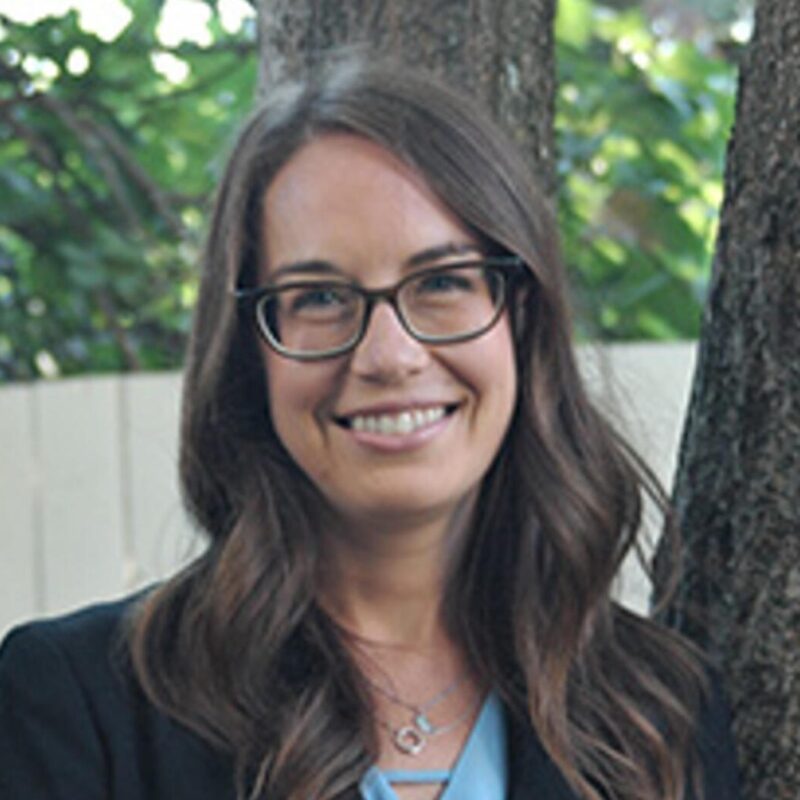
Kimberly Carfore, Ph.D., a professor in both the Environmental Studies and Theology and Religious Studies departments at the University of San Francisco, is the co-chair of the Religion and Ecology unit at the American Academy of Religion. She has published numerous articles on the topics of ecopsychology, ecofeminism, and nature immersion and wilderness experiences. Also a wilderness guide for universities and her nonprofit Wild Women, she hosts the podcast Return to the Fire with Wild Women.
Introduction by directors Natasha Benjamin and Ana Blanco
Sequoias of the Sea follows Northern California communities as they confront the loss of 95% of their kelp forests—an ecological disaster fueled by climate change. The film dives into the lives of fishermen, local tribes, scientists, and coastal communities who are joining forces to urgently restore this vital underwater ecosystem.
March 26th | 8:40 pm to 10:00 pm | Goldman Theater, Brower Center
Friday, March 27th
Kyle Trefny was 18 years old in 2020 when skies in the San Francisco Bay Area and much of the Pacific Coast turned orange with wildfire smoke. He will share how that moment led him to become a wildland firefighter and to join other youth in creating FireGeneration Collaborative (FireGen), dedicated to imagining and building a future beyond intense wildfires and their devastating health impacts, a future of healthy communities and livelihoods that recenters Indigenous leadership in land management. Kyle will reflect upon the power of questions, of friendship, of breaking negative cycles, of art, of mentors and elders, and of taking leaps of faith in life.
March 27th | 11:00 am to 11:09 am | Zellerbach Hall
Kyle Trefny
Co-Founder | FireGeneration Collaborative (FireGen)
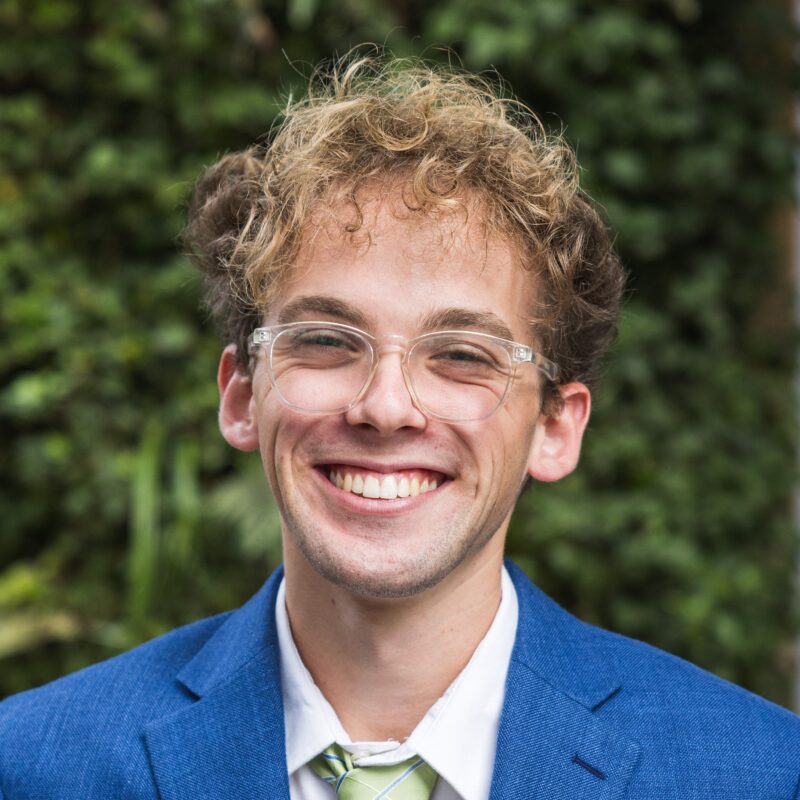
Kyle Trefny is an organizer, artist, wildland firefighter, and co-founder of FireGeneration Collaborative (FireGen), which started out with a GoFundMe campaign and a petition and became a dynamic, influential youth-led organization that has helped bring about the historic involvement of firefighters and Indigenous fire management practitioners in governance processes and engaged hundreds of young people in fire research. A faculty research assistant at the University of Oregon’s Ecosystem Workforce Program, Kyle is also active in movements for Indigenous sovereignty, queer rights, and climate justice and was a recipient of a 2025 Brower Youth Award.
3:00 pm: Extraordinary Explorations in Interspecies Exchange
Hosted by the Bioneers newsletter, Earthlings
A great deal of research has in the last few decades demolished the long dominant view that humans were the sole proprietors of intelligence and shown that the entire web of life engages in adaptive decision-making, something Indigenous people around the world have long known. Building on that work, some bold innovators have been finding a variety of fascinating ways to document and engage with the intelligence that permeates the natural world. This session, hosted by Earthlings, Bioneers’ biweekly newsletter, explores that intelligence and tracks new discoveries about the “more-than-human” realms and our ever-evolving interactions with other sentient life, three groundbreaking figures, working in very different ways, share their extraordinary journeys and projects observing and engaging with some of our animal kin. With: Elodie Freymann, Ph.D.,a primatologist, botanist, social anthropologist, filmmaker, and conservation activist, who has done cutting-edge research on how wild chimpanzees self-medicate with medicinal plants; Garth Stevenson, musician/composer known for creating music in direct communion with the natural world, including, famously, with whales; and world-renowned neuroscientist Gül Dölen, currently at the UC Berkeley Center for the Science of Psychedelics, who has done cutting-edge research on the only known social species of octopus to further our understanding of the evolution of sociality. Hosted by: J.P. Harpignies, Bioneers Senior Producer.
March 27th | 3:00 pm to 4:15 pm | Magnes Museum
Panelists
Elodie Freymann
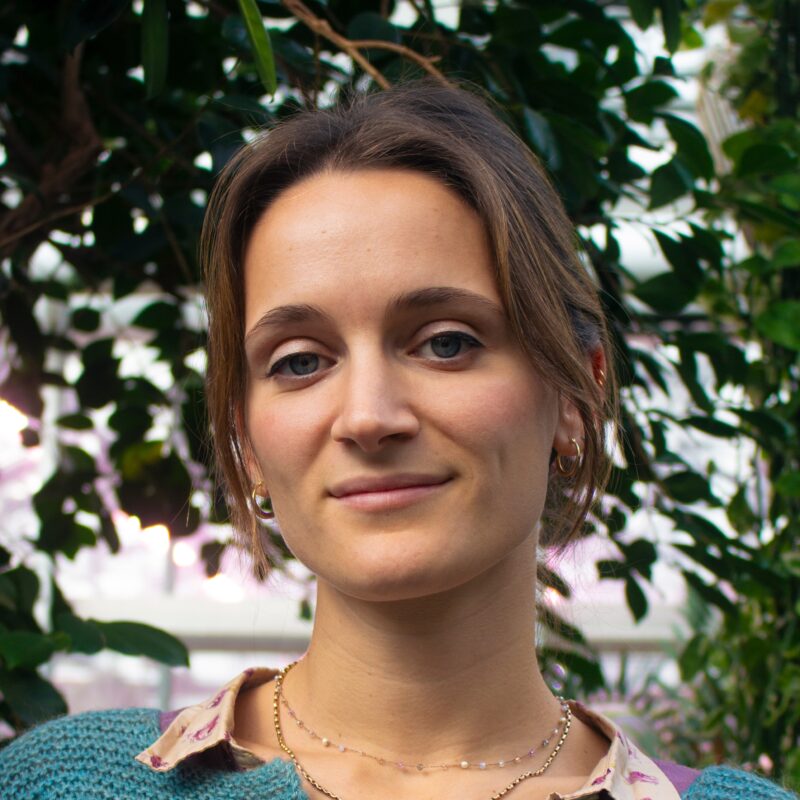
Primatologist, Botanist, Social Anthropologist, and Conservation Activist
Elodie Freymann, Ph.D., a primatologist, botanist, social anthropologist, filmmaker, scientific illustrator, and conservation activist, recently attracted global attention with her groundbreaking research on how wild chimpanzees in Uganda's Budongo Forest self-medicate with medicinal plants and how that use overlaps with local traditional healers’ pharmacopeias. She is now following up that research with the first systematic study of non-human self-medication in the Peruvian Amazon. Much of Elodie’s work blends the worlds of science and art to document how people interact and co-exist with the flora and fauna around them and how anthropogenic disturbances are disrupting these symbiotic relationships. She has received several awards for her work and is a Fellow at both The Explorers Club and The Linnean Society.
Garth Stevenson
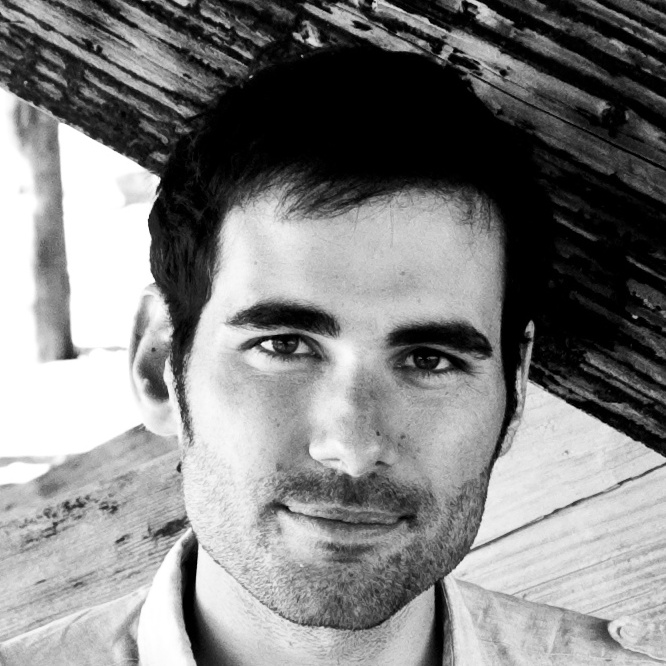
Musician and Composer
Garth Stevenson, a highly accomplished double bassist and composer especially known for creating music in direct communion with the natural world, traveled to Antarctica with the legendary biologist Dr. Roger Payne in 2010 to study whale communication and was able to imitate those calls on his double bass, attracting a dozen sei whales to their icebreaker. He has continued that work, most recently during a 2025 trip to Baja, Mexico to play for humpback whales, an extraordinary episode that was captured on film by National Geographic director Andy Mann.
Gül Dölen
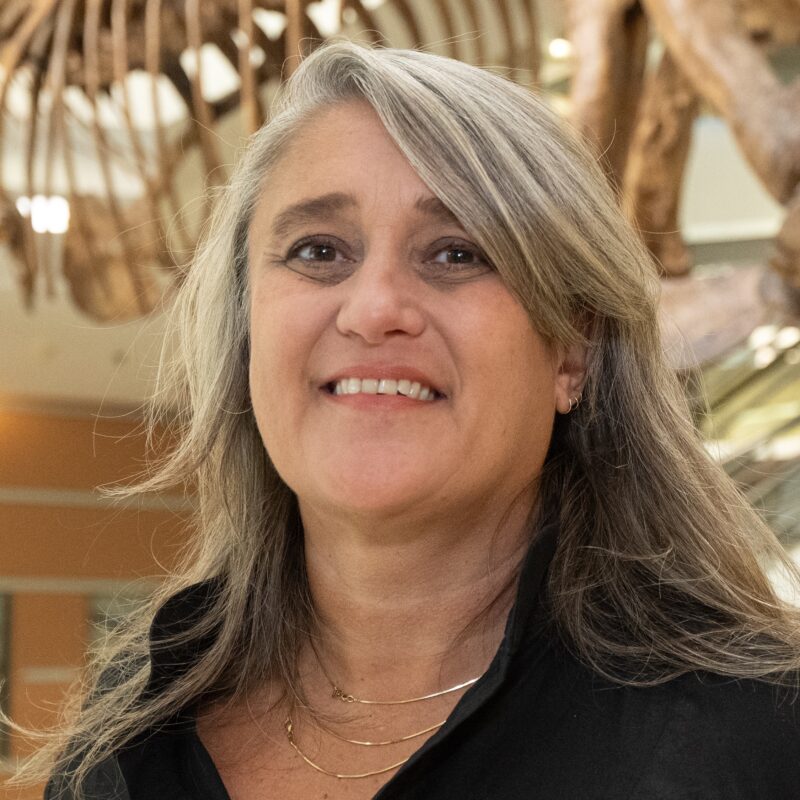
Professor | UC Berkeley
Gül Dölen, Ph.D., is a Professor and the Bob & Renee Parsons Endowed Chair in the Department of Neuroscience, and Department of Psychology, the Berkeley Center for the Science of Psychedelics and the Helen Wills Neuroscience Institute at UC Berkeley. Dr Dölen, who has won many prestigious awards for her teaching and research, also maintains an Adjunct Professorship in Neuroscience and Neurology at the Johns Hopkins University School of Medicine.
J.P. Harpignies

Senior Producer | Bioneers
J.P. Harpignies, Bioneers Senior Producer, affiliated with Bioneers since 1990, is a Brooklyn, NYC-based consultant, conference producer, copy-editor and writer. A former Program Director at the New York Open Center and a senior review team member for the Buckminster Fuller Challenge from 2010 to 2017, he has authored or edited several books, including Political Ecosystems, Delusions of Normality, Visionary Plant Consciousness, and, most recently, Animal Encounters.
3:00 pm: Fighting for the Human Right to Water in the U.S.
Co-hosted by the Pacific Institute
The UN formally recognizes the human right to water and sanitation, but in the U.S. today more than two million people still live without running water or safe plumbing, and tens of millions more face chronic water quality violations, supply disruptions or unaffordable bills. These challenges cut across the country from poor urban neighborhoods and rural communities to tribal nations, and they fall hardest on people of color, low-income households, and other marginalized groups. And climate change is magnifying these inequities, but even amidst these challenges, communities and leaders across the country are advancing practical solutions and building grassroots power to protect and expand the right to water. This panel brings together water justice activists from across the country who will share on-the-ground stories, policy insights, and emerging models for change and explore what it will take to finally realize the human right to water for all. Hosted by Heather Cooley, Chief Research and Program Officer, Pacific Institute. With: Dr. Khalid Osman, Assistant Professor, Stanford University; Monica Lewis-Patrick, President and CEO, We the People of Detroit; Jenny Rempel, postdoctoral scholar in the Department of Environmental Science, Policy, and Management at UC Berkeley.
March 27th | 3:00 pm to 4:15 pm | Golden Bear Room, Hotel Shattuck Plaza
Panelists
Heather Cooley
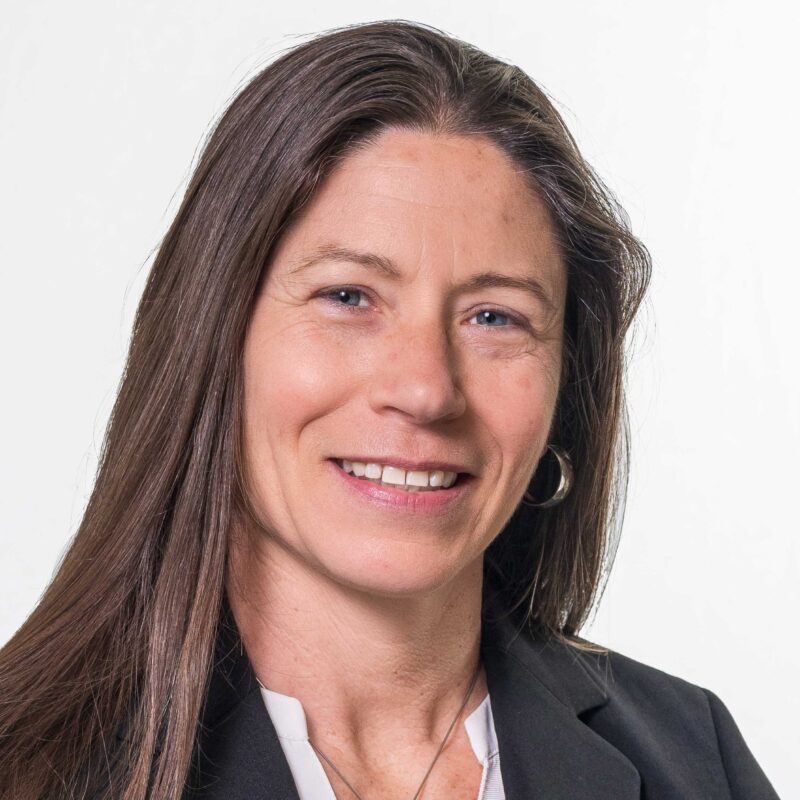
Chief Research and Program Officer | Pacific Institute
Heather Cooley, Chief Research and Program Officer at the Pacific Institute, a pioneering, Oakland-based non-profit organization dedicated to creating and advancing solutions to the world’s most pressing water challenges, has led its research and programs since 2004, focusing especially on sustainable water management, water resilience, and the water–energy nexus. Her work bridges science and policy to inform decision-making at local, state, and national levels. Heather, who holds multiple degrees from UC Berkeley, has served in leadership and advisory roles on a number of major state and national water policy bodies.
Monica Lewis-Patrick
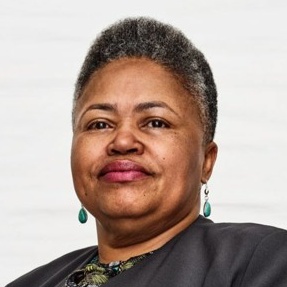
President and CEO | We the People of Detroit
Monica Lewis-Patrick, President/CEO of We the People of Detroit, is an educator, entrepreneur, scholar, and human rights activist especially renowned for her tireless activism for safe, affordable water. A member of: the National Water Affordability Table, All About Water/Freshwater Future Subcommittee, PolicyLink’s Water Equity and Climate Resilience Caucus (WECR), End Water Poverty, and the Governance Board for Healing Our Waters/Great Lakes Coalition (HOW), Lewis-Patrick also co-chairs the Water Committee on the Michigan Advisory Council on Environmental Justice.
Khalid Osman
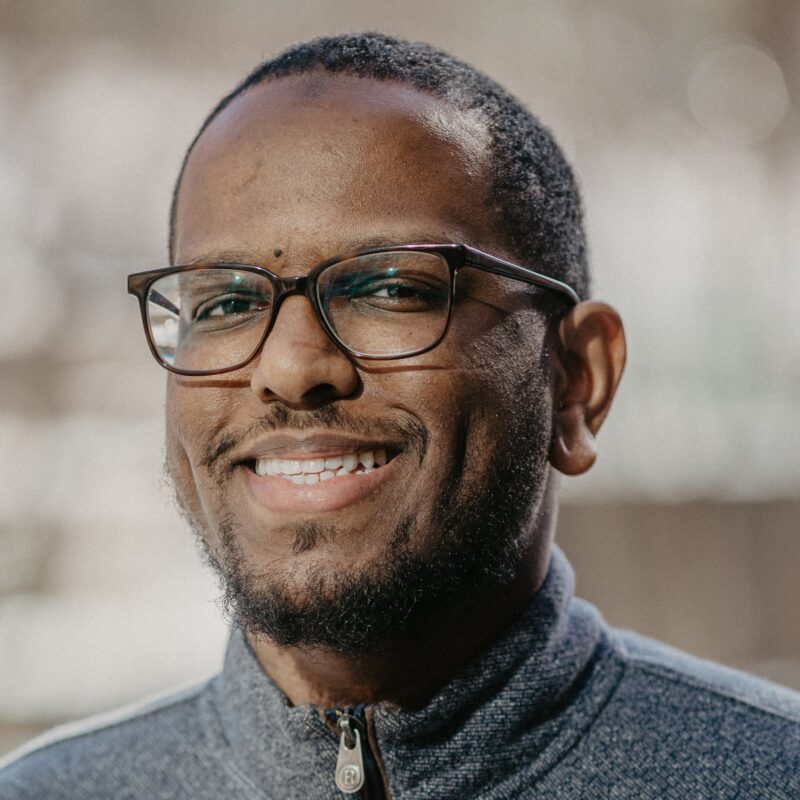
Assistant Professor | Stanford University
Khalid K. Osman, Ph.D., an Assistant Professor of Civil and Environmental Engineering at Stanford, also holds faculty affiliations at the King Center for Global Development and the Center for Comparative Studies in Race and Ethnicity. His research focuses on ensuring equity and justice in the provision of infrastructure services, currently focusing on the water sector, including frameworks for equity in the adoption of new water technologies and sanitation justice challenges in rural communities. Khalid has had many collaborations with local community-based organizations and leads Osman Lab, which develops new approaches to equitable and just infrastructure in vulnerable, climate change-challenged communities.
Jenny Rempel
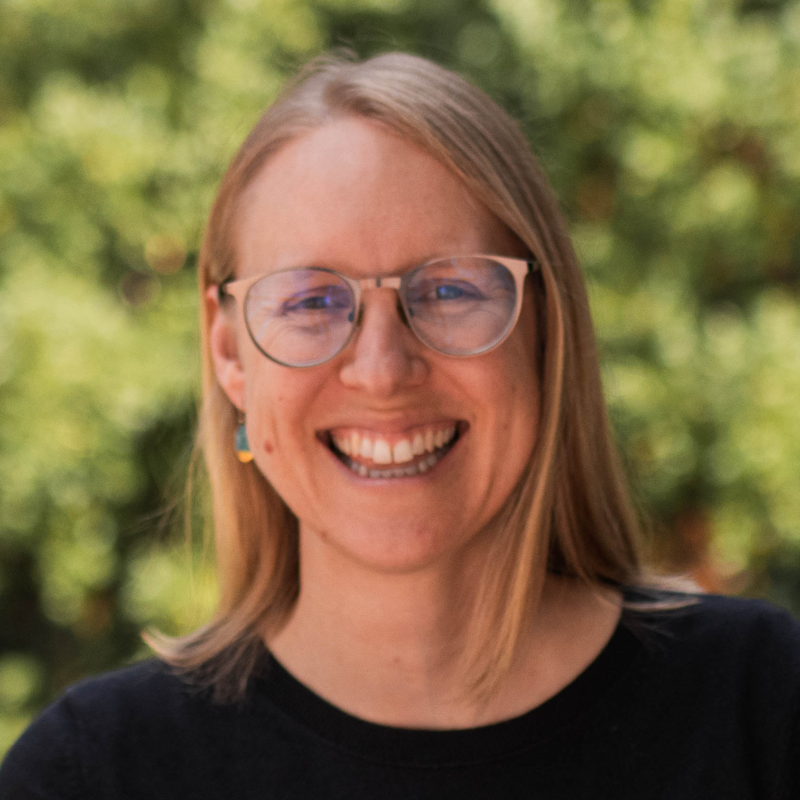
Postdoctoral Scholar | Department of Environmental Science, Policy, and Management at UC Berkeley
Jenny Rempel is a postdoctoral scholar in the Department of Environmental Science, Policy, and Management at UC Berkeley. She combines community-engaged and data-driven research approaches to understand the patterns and drivers of resource and exposure disparities. As a public scholar from California’s San Joaquin Valley, Jenny collaborates with community-based organizations, coalitions, and policymakers to generate knowledge that informs environmental policy and climate adaptation efforts. Jenny’s latest work examines implementation of California’s human right to water law from local to statewide scales.
As the reality of a changing climate bears down, it is increasingly clear that the only realistic pathway forward is to protect and regenerate the natural systems that undergird life on earth. We need to take care of the place that takes care of us. It’s time to go big for nature, with the resources and effort commensurate with the scale of the challenge. But while “nature” is a vast overarching concept, the actual practice of implementing nature-based solutions is deeply local, enacted watershed by watershed, bioregion by bioregion. How can we transform governance to operationalize local action at scale? What does truly bioregional planning look like? Can we mobilize to enable landscape-scale regeneration before it’s too late? Join three leading policymakers working at a variety of different scales to learn what the cutting edge of nature-based governance looks like. Hosted by Brett KenCairn, founding Director of the Center for Regenerative Solutions. With: Wade Crowfoot, the Natural Resources Secretary of the State of California; and Nancy Scolari, Executive Director of the Marin Resource Conservation District.
March 27th | 3:00 pm to 4:15 pm | Crystal Ballroom, Hotel Shattuck Plaza
Panelists
Brett KenCairn
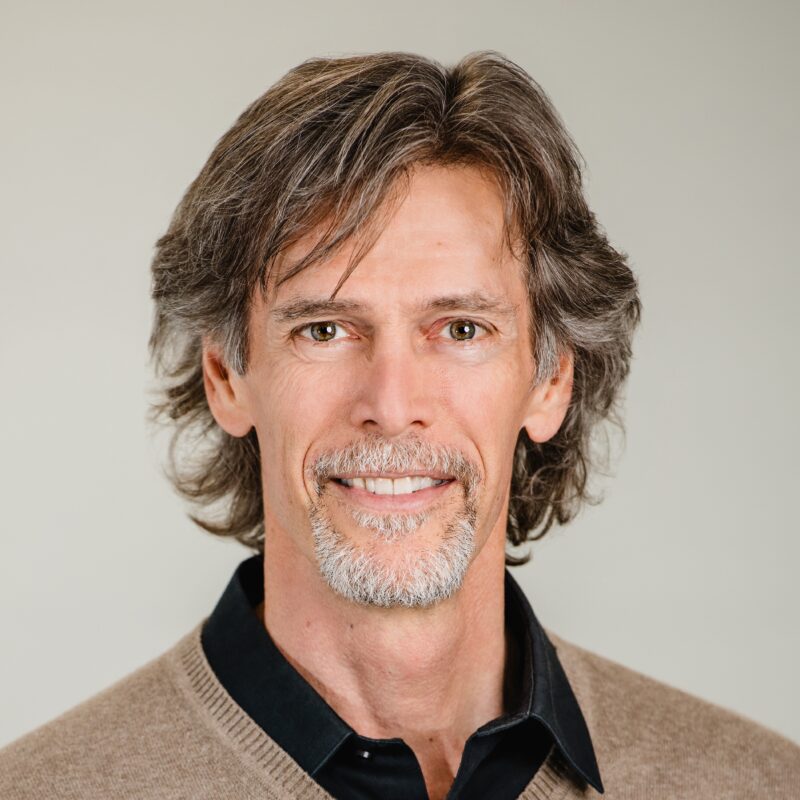
Founding Director | Center for Regenerative Solutions
Brett KenCairn, founding Director of the Center for Regenerative Solutions and Senior Division Manager for Nature-based Climate Solutions for the City of Boulder’s Climate Initiatives Department, has throughout his career supported community-based initiatives across the western U.S., particularly in rural, Native American, and other marginalized communities. He also co-founded several organizations, including: the Rogue River Institute for Ecology and Economy; Indigenous Community Enterprises; Veterans Green Jobs; and Community Energy Systems.
Wade Crowfoot
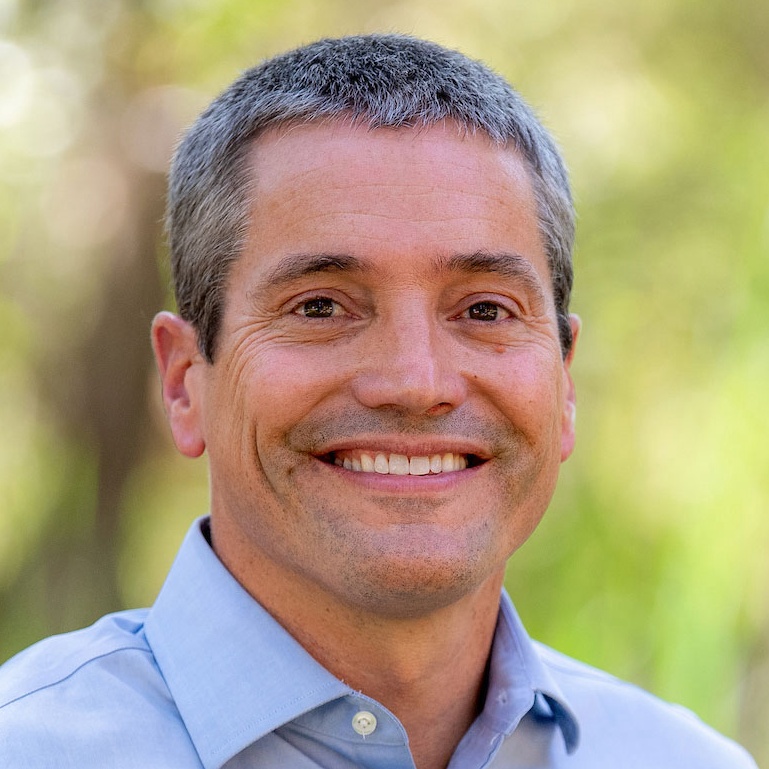
Natural Resources Secretary | State of California
Wade Crowfoot, on the frontlines of environmental leadership throughout his long career in the public and non-profit sectors, California’s Natural Resources Secretary since 2019, leads efforts to conserve California’s environment and natural resources, overseeing an agency of 25,000+ employees spread across 26 departments, commissions, and conservancies charged with stewarding the state's forests, natural lands, rivers, water supplies, coasts, wildlife and biodiversity, as well as helping oversee its world-leading clean energy transition, including a commitment to conserve 30% of its land and coastal waters by 2030. Secretary Crowfoot has led efforts to navigate California’s record-breaking droughts, floods, and wildfires and has initiated a new era of partnerships with the state's Native American tribes.
Nancy Scolari
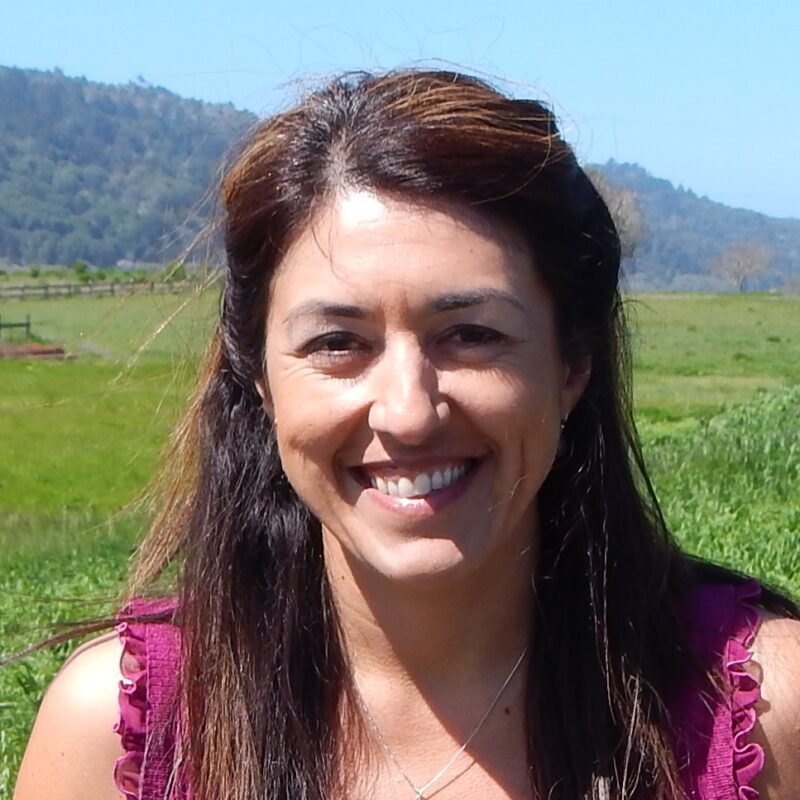
Executive Director | Marin Resource Conservation District
Nancy Scolari has led the Marin Resource Conservation District since 1998, partnering with local ranchers to protect and enhance natural resources in western Marin County. In 2008, she co-founded the Marin Carbon Project to advance research and implementation of climate-smart agriculture on local rangelands. During her tenure, more than 20 miles of streams have been restored, water quality has improved, and fish populations are rebounding. The district is progressing toward Marin County’s 2030 climate goals, with Nancy emphasizing collaboration as the foundation for lasting environmental stewardship.
Outdoor learning and exposure to nature are not simply nice ideas: a cascade of physical, emotional and academic benefits accompany even basic outdoor activities such as recess. For purposefully built models of outdoor and experiential learning, the results are even greater. During the COVID-19 pandemic a long-simmering movement around green schoolyards and outdoor education went from niche to increasingly mainstream. Today, thousands of school districts are working to transform the modern schoolyard from a monoculture of lawns and asphalt to verdant and resilient environments. A movement that is both interdisciplinary and systemic, the goal is to leverage school communities, education systems and school properties in order to restore and regenerate urban ecological systems while transforming how students learn along the way. In this session, visionary movement leaders will share their insights and strategies as to how they are using nature-based solutions to build resilience and transform education. With: Sharon Gamson Danks, founder and CEO of Green Schoolyards America; Rosey A. Jencks, environmental planner and water management expert; Julia Gowin, Urban Forestry Supervisor at CAL FIRE.
March 27th | 3:00 pm to 4:15 pm | Campanile Room, 6th Floor, Hotel Shattuck Plaza
Panelists
Sharon Gamson Danks
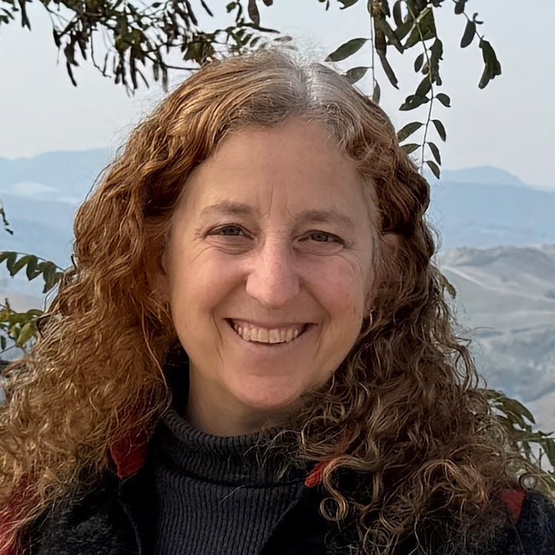
Founder and CEO | Green Schoolyards America
Sharon Gamson Danks, MLA-MCP, an environmental city planner, social entrepreneur, and author, founded Green Schoolyards America in 2013 and is its CEO. She has been a leading figure in the “green schoolyard” field for 25+ years, helping build a movement to transform school grounds at scale into vibrant, nature-rich public spaces that engage the community and nurture children as they learn and play. Sharon is the author of Asphalt to Ecosystems and also co-founded the International School Grounds Alliance.
Rosey Jencks
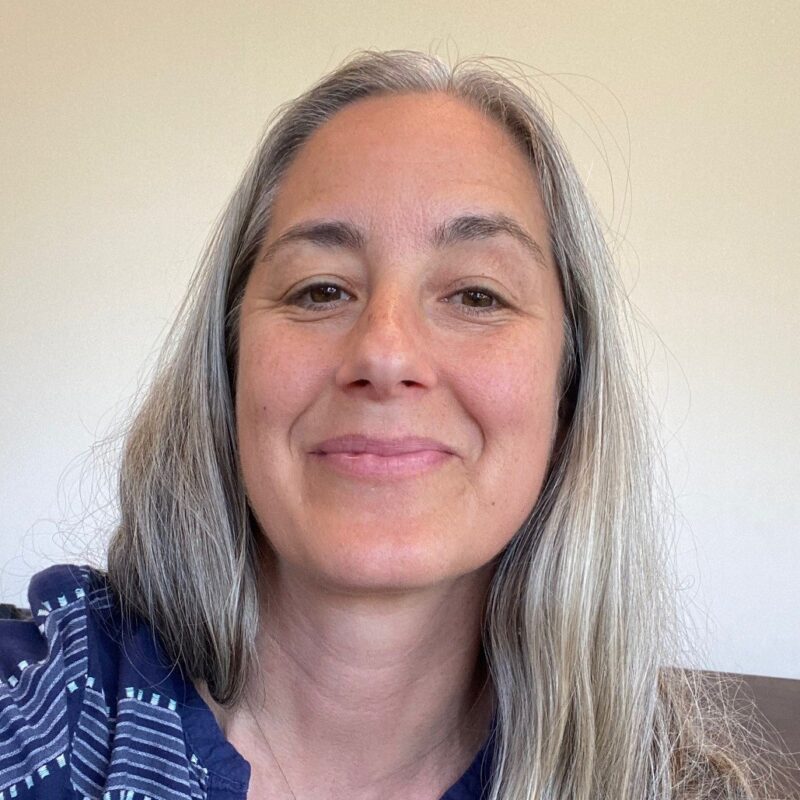
Environmental Planner
Rosey A. Jencks, MLA/EP, an environmental planner with over two decades of experience, leads technical teams in developing community-centered programs and plans for stormwater, wastewater, flood resilience, and sea level rise. Rosey, who has helped numerous communities re-envision their future by integrating green and nature-based infrastructure, believes climate resilience requires a “one water” mindset, focusing on land management and balancing green and grey infrastructure.
Julia Gowin
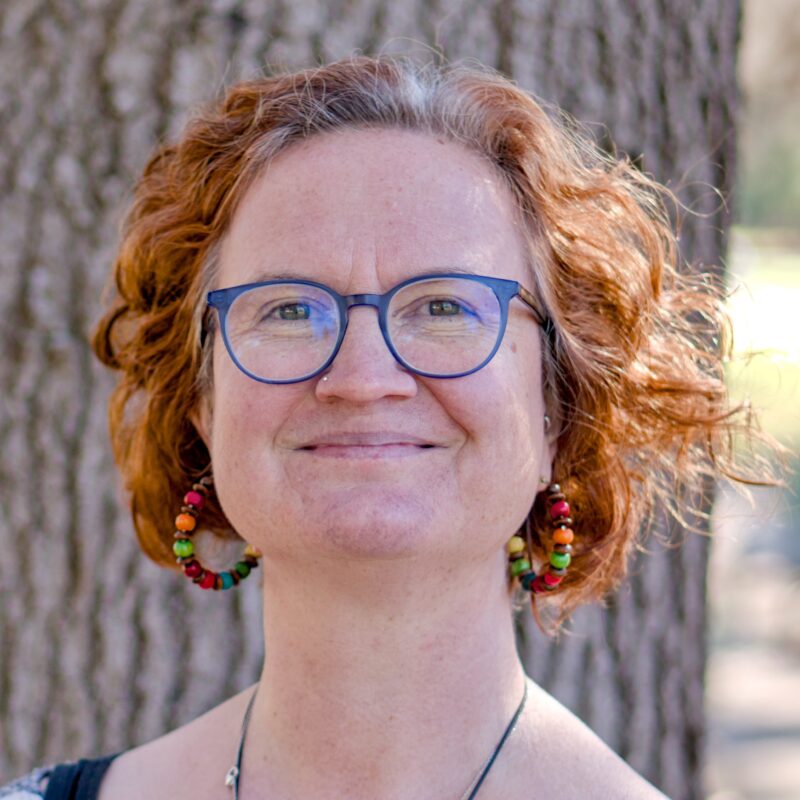
Urban Forestry Supervisor | CAL FIRE
Julia Gowin, Ph.D., the Northern California Urban Forestry Supervisor for the California Department of Forestry and Fire Protection (CAL FIRE), co-leads CAL FIRE’s Green Schoolyards Program. Julia is an International Society of Arboriculture (ISA) Certified Arborist, a California Registered Professional Forester, the incoming President for the Western Chapter of the International Society of Arboriculture (ISA), and a founding member of the California Schoolyard Forest System Initiative.
4:45 pm: Connected – The Deep Ecology of Being Human
A Dharma College and Bioneers Special Offering
Climate disruption is accelerating; social cohesion feels increasingly fragile; yet, even in the midst of intense uncertainty, the possibility for renewal remains. There can still be a “Great Turning”—though we may first need to face the great unravelling together. In this interactive session, Dr. Bob Dozor will bring together insights from Buddhist contemplative practice, Western philosophy, science, literature, and Indigenous wisdom to explore how we might restore balance—within ourselves and with the living Earth.
Through guided reflections, dialogue, and experiential practices, we will examine how our embodiment—our senses, emotions, and actions—shapes our capacity to connect with and care for our environment. This is an invitation to discover how deep awareness and compassion can become a foundation for ecological resilience. Join us for this powerful inquiry into the interdependence of inner and outer worlds and into how awakening mind and heart can support the flourishing of all life on Earth.
March 27th | 4:45 pm to 6:00 pm | Wisdom Upper Floor at Dharma College
Panelists
Bob Dozor
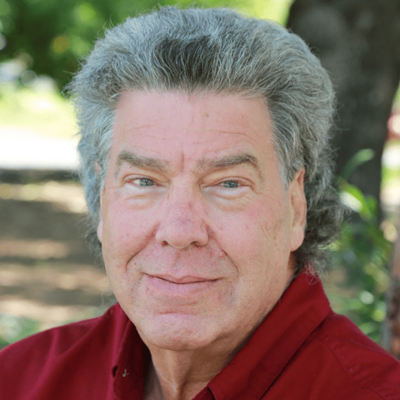
Medical Director | Integrative Medical Clinic of Santa Rosa
Bob Dozor, M.D., Medical Director of the Integrative Medical Clinic of Santa Rosa and the Nyingma Senior Retreat Center at Ratna Ling, holds a B.A. in the History and Philosophy of Science from the University of Chicago and an M.D. from UC, San Francisco. He has been a student of Buddhism since the 1960s and a dedicated student of Venerable Tarthang Tulku since 1972.
Human activities, primarily overfishing, pollution, and climate change are causing unprecedented damage to marine ecosystems, leading to massive biodiversity loss and the destruction of habitats, problems that cannot be solved by Western science and policy alone. Indigenous knowledge rooted in generations of observation and relationship with marine species is critical to the defense and regeneration of the oceans that we all depend upon. In this panel, we will hear from three Indigenous leaders fighting to protect keystone marine species from the foundation to the apex of the food web. Topics include the cultural and spiritual foundations of Indigenous-led movements, ways that Indigenous and Western sciences are being applied in tandem, and the creation of ocean policies rooted in Indigenous principles. Attendees will come away equipped with ways they can support these efforts as well as renewed inspiration to restore and repair Mother Earth. Moderated by Alexis Bunten (Yupu’ik/Unangan), Co-Director of the Bioneers Indigeneity Program. With: Shane Weeks (Shinnecock), co-founder and Director of Education and Research at the Metoac Indigenous Collective; Raynell Morris (Lummi), Events and Gatherings Producer, Children of the Setting Sun; and Louise Brady (Tlingit), founder and director of the Herring Protectors.
March 27th | 4:45 pm to 6:00 pm | Berkeley Ballroom, Residence Inn
Panelists
Louise Brady
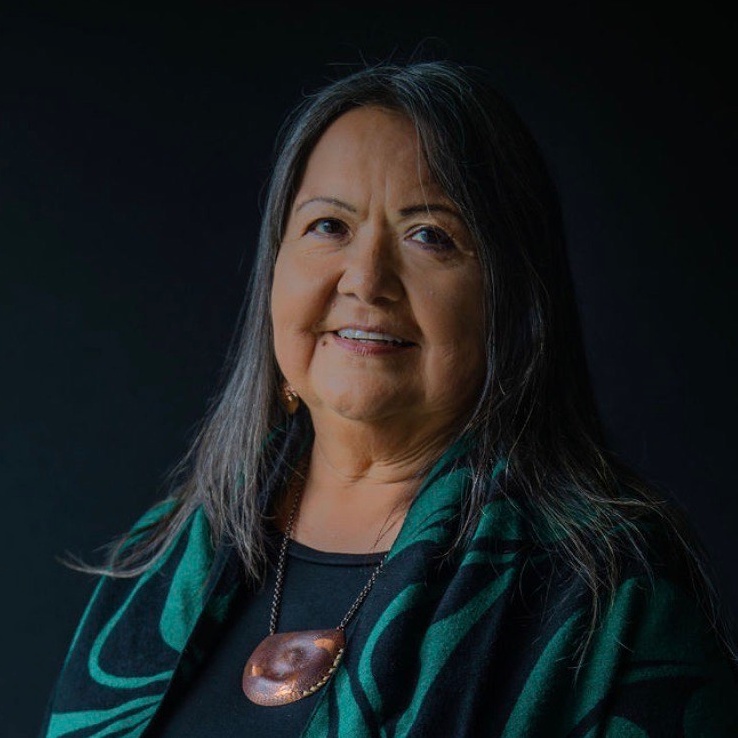
Founder and Director | Herring Protectors
Louise Brady (Kh’asheech Tláa), a citizen of the Sitka Tribe of Alaska, previously served as the tribe’s Director of Social Services and Tribal Court Administrator. She is the founder and Director of the Herring Protectors, a grassroots movement led by Indigenous women that uses the original teachings of the Kiks.ádi women’s ceremony and collective organizing to stand up to legacies of colonization and genocide that have led to the devastation of the yaaw (herring). She also serves on the Advisory Board of Native Movement; has co-produced and directed two award-winning films; and was the recipient of a 2022 – 2023 NDN Changemaker Fellowship.
Shane Weeks
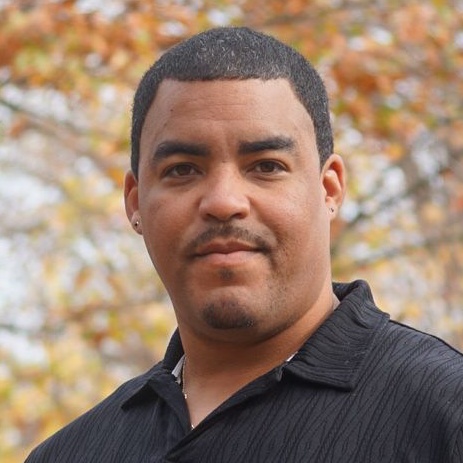
Co-Founder and Director of Research and Education | Metoac Indigenous Collective
Shane Weeks, a proud member of the Shinnecock Nation, located in Southampton, New York, represents his people in a number of capacities, as an author, traditional singer and dancer, cultural consultant, artist, and member of several local boards and committees. The owner of Ohke Creations, a candle and jewelry business, he is also co-founder and Director of Research and Education at the Metoac Indigenous Collective, an intertribal organization focused on cultural preservation, and was a recipient of a Presidential Lifetime Achievement Award in 2023. As an artist, Shane works in many different mediums and collaborates with Indigenous communities from around the world.
Raynell Morris
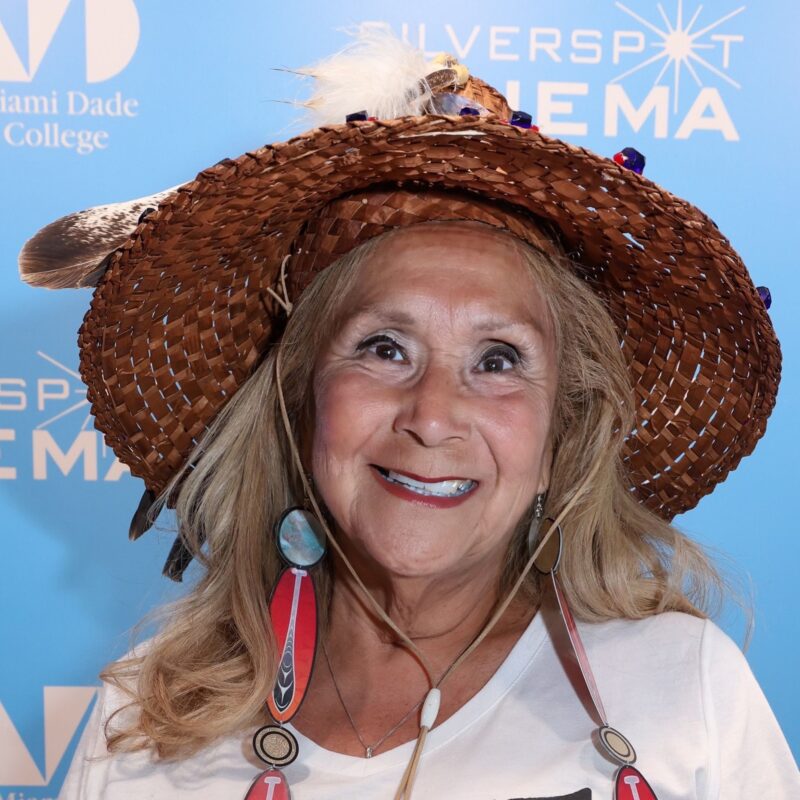
Events and Gatherings Producer | Children of the Setting Sun Productions
Raynell Morris, a Lhaq’temish matriarch and enrolled Lummi tribal member, is the Events and Gatherings Producer at Children of the Setting Sun Productions and a board member of the Friends of Toki. A former Vice-President of the Sacred Lands Conservancy and Associate Director of Intergovernmental Affairs under President Clinton, Raynell was the first Native American staffer appointed to the White House. She also served as Chief of Staff for the Chairman of the Lummi Nation, and, as Director of Lummi Nation’s Sovereignty and Treaty Protection Office, she was a key strategist in the successful campaign to block a proposal to build North America’s largest coal port terminal on Lhaq’temish (Lummi) sacred ground.
Alexis Bunten
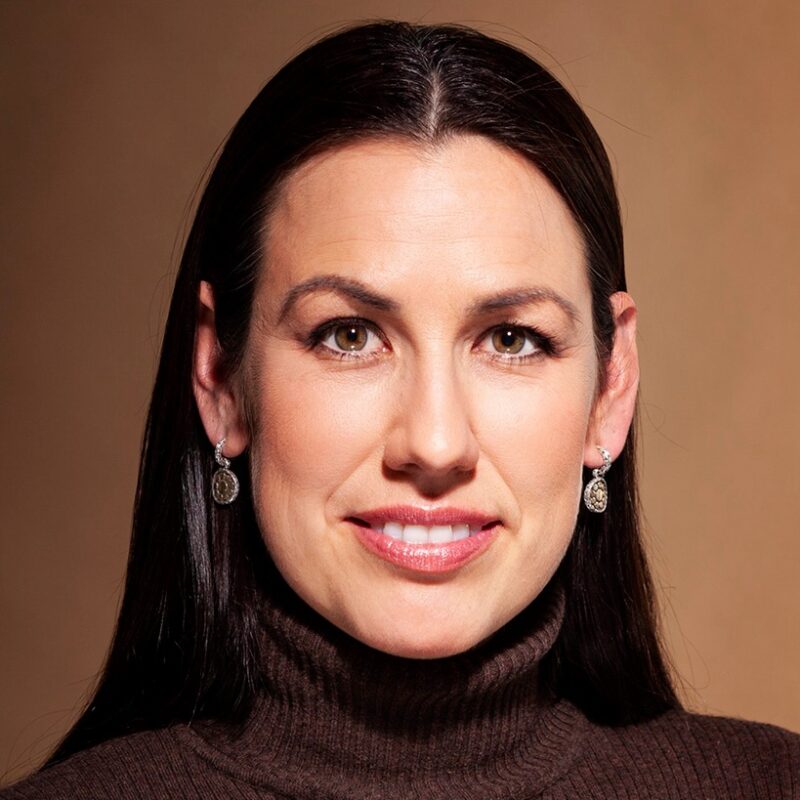
Co-Director, Indigeneity Program | Bioneers
Alexis Bunten, Ph.D., (Aleut/Yup’ik), Co-Director of Bioneers’ Indigeneity Program, has been a researcher, media-maker, manager, consultant, and curriculum developer for organizations including the Sealaska Heritage Institute, Alaska Native Heritage Center, and the FrameWorks Institute. She has published widely about Indigenous and environmental issues, and is the author of So, how long have you been Native?: Life as an Alaska Native Tour Guide.
The current federal administration is seeking to dramatically roll back decades of progress on protecting and revitalizing our public lands and waters, threatening to sell and/or open to extractive industries and developers enormous swathes of our common heritage while eviscerating any regulation of pollution or toxicity. In this panel several key organizations working to push back, limit the damage and build movements to expand the commons not shrink it, and protect and regenerate biodiversity not hasten the extinction crisis, will share their analyses and strategies. With: Sharmeen Morrison, Senior Attorney in Earthjustice’s Biodiversity Defense Program; Katie Umekubo, Managing Director, Lands, Nature at NRDC. Hosted by Miyoko Sakashita, Oceans Program Director at the Center for Biological Diversity.
March 27th | 4:45 pm to 6:00 pm | Goldman Theater, Brower Center
Panelists
Sharmeen Morrison
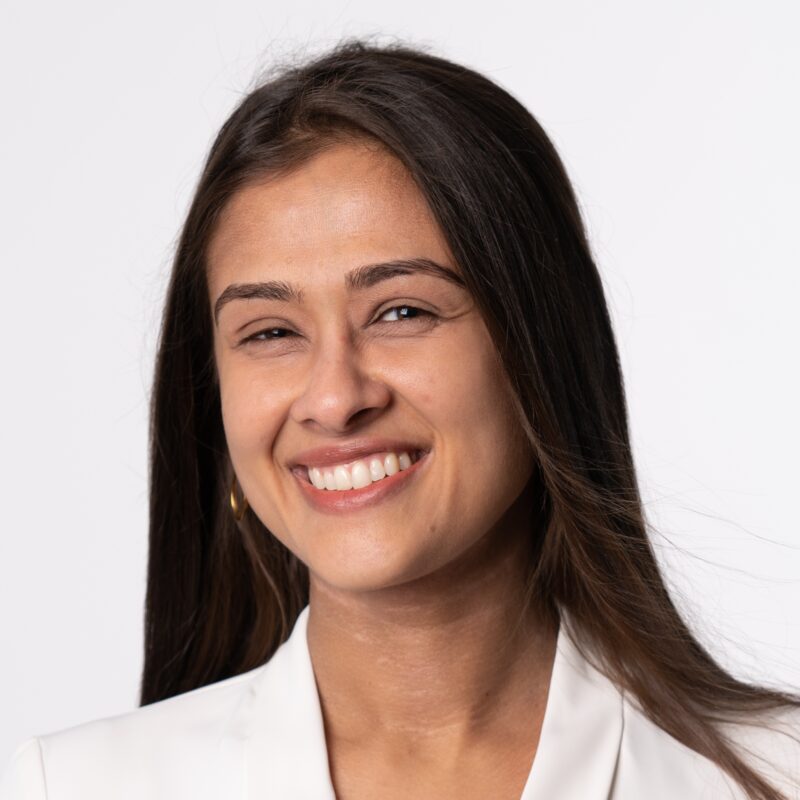
Senior Attorney | Earthjustice
Sharmeen Morrison, J.D., a Senior Attorney with Earthjustice’s Biodiversity Defense Program, which engages in national litigation to confront the major drivers of biodiversity loss, has litigated cases to protect greater sage-grouse from oil and gas drilling in Wyoming, manatees from nutrient pollution in Florida’s Indian River Lagoon, golden-cheeked warblers from urban sprawl in Texas Hill Country, and insect pollinators from pesticide overuse nationwide.
Katie Umekubo
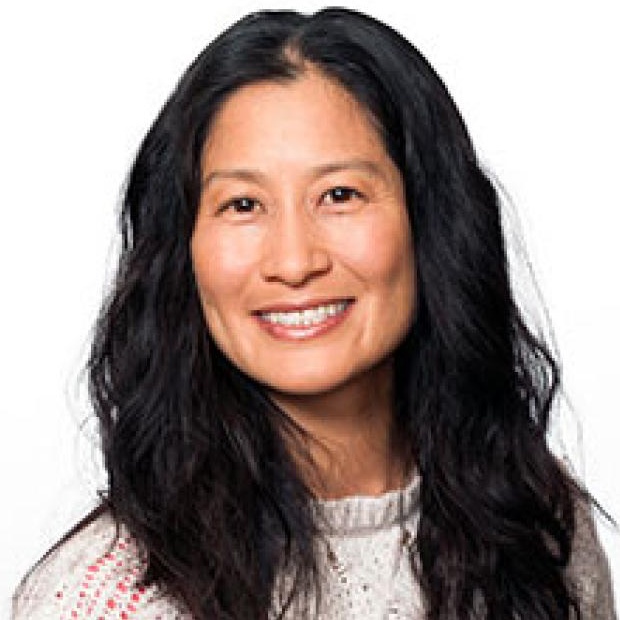
Managing Director, Lands, Nature | NRDC
Katie Umekubo, JD, Managing Director, Lands, Nature at the NRDC’s (National Resources Defense Council) San Francisco office, advocates for policies that encourage the environmentally responsible development of renewable energy on western public lands as well as sustainable land-use planning and wildlife preservation in Southern California. Her recent work has focused on avian protection policies and collaborative research efforts to address wildlife interactions at renewable energy projects. Prior to joining NRDC, she worked as a legislative specialist for the U.S. Fish and Wildlife Service, starting as a Presidential Management Fellow and detailing with the U.S. Senate Environment and Public Works Committee.
Miyoko Sakashita
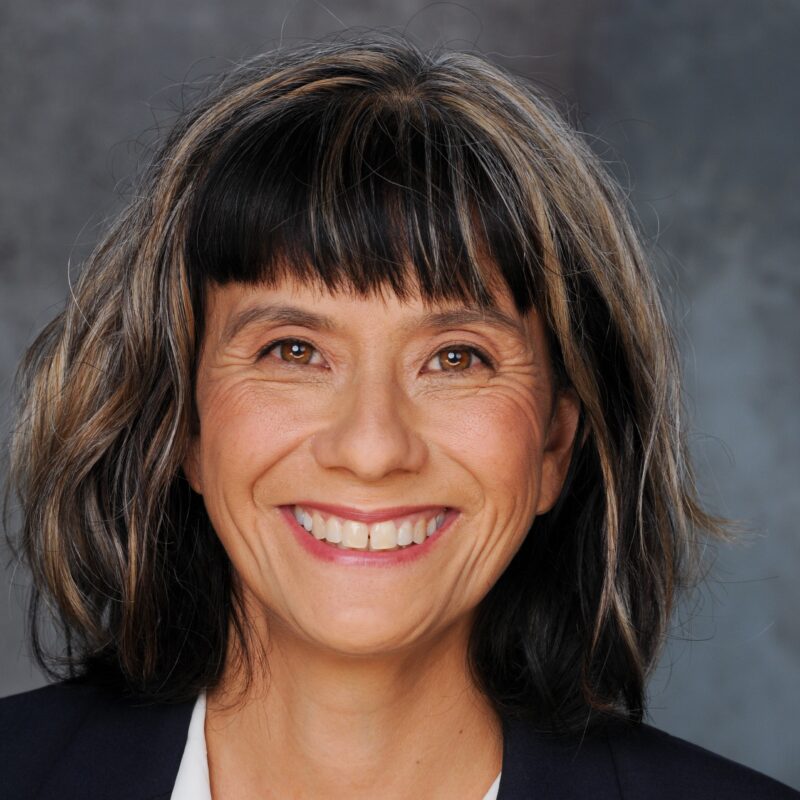
Oceans Program Director | Center for Biological Diversity
Miyoko Sakashita is the Oceans Program Director at the Center for Biological Diversity where she works to secure protections for imperiled marine life and ecosystems from threats ranging from global warming and ocean acidification to fisheries and pollution. Miyoko, who holds a law degree from UC Berkeley, also earned BS degrees in Conservation and Resource Studies.
6:40 pm: Film Screening: Two Short Films by Elodie Freymann
Unquantifiable + Waiting for Alstonia
Unquantifiable is a satirical but deceptively profound observational study of one Homo Sapiens by a renowned primatologist. Waiting for Alstonia, Elodie’s most recent, just released film, tracks some of her groundbreaking work studying chimpanzees’ use of medicinal plants in Uganda’s Budongo Forest.
March 27th | 6:40 pm to 7:25 pm | Goldman Theater, Brower Center
Introduced by
Elodie Freymann
Primatologist, Botanist, Social Anthropologist, and Conservation Activist
Elodie Freymann, Ph.D., a primatologist, botanist, social anthropologist, filmmaker, scientific illustrator, and conservation activist, recently attracted global attention with her groundbreaking research on how wild chimpanzees in Uganda's Budongo Forest self-medicate with medicinal plants and how that use overlaps with local traditional healers’ pharmacopeias. She is now following up that research with the first systematic study of non-human self-medication in the Peruvian Amazon. Much of Elodie’s work blends the worlds of science and art to document how people interact and co-exist with the flora and fauna around them and how anthropogenic disturbances are disrupting these symbiotic relationships. She has received several awards for her work and is a Fellow at both The Explorers Club and The Linnean Society.
Introduction by Brandon Jones and Yomi Young, of Shelterwood
This brand-new short by the Shelterwood Collective, a community rooted in a commitment to restoration, sustainability, and new life, describes their fire stewardship efforts on the 900-acre forest they caretake.
March 27th | 7:25 pm to 7:35 pm | Goldman Theater, Brower Center
Saturday, March 28th
A growing body of evidence clearly shows that the health of urban dwellers and the health of the natural systems they live within are directly linked. Historically, privileged parts of urban landscapes have been managed primarily for aesthetic beauty and property value, not for their integral ecological role in the more-than-human world, and disenfranchised communities have been burdened with toxic sites and deprived of parks and tree cover. How can we create cooler, far less polluted and far healthier, safer and fairer urban spaces? In this session, three visionary urban activists and thought leaders from different parts of the country will share their stories and strategies that reveal how we can marshal biodiversity, social diversity, and human/nature collaborations to protect, enliven and empower our cities. Hosted by Brett KenCairn, founding Director of the Center for Regenerative Solutions and Senior Division Manager for Nature-based Climate Solutions for the City of Boulder. With: Elliott J. Royal, Executive Director of Charlotte, North Carolina’s West Blvd Neighborhood Coalition (WBNC); Tanner Yess, a co-founder of Groundwork Ohio River Valley who led the creation of one of the nation’s largest youth green workforce programs.
March 28th | 3:00 pm to 4:15 pm | Golden Bear Room, Hotel Shattuck Plaza
Panelists
Brett KenCairn
Founding Director | Center for Regenerative Solutions
Brett KenCairn, founding Director of the Center for Regenerative Solutions and Senior Division Manager for Nature-based Climate Solutions for the City of Boulder’s Climate Initiatives Department, has throughout his career supported community-based initiatives across the western U.S., particularly in rural, Native American, and other marginalized communities. He also co-founded several organizations, including: the Rogue River Institute for Ecology and Economy; Indigenous Community Enterprises; Veterans Green Jobs; and Community Energy Systems.
Elliott Royal
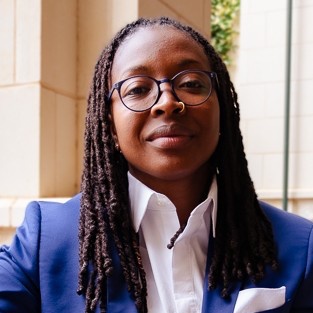
Executive Director | West Blvd Neighborhood Coalition
Elliott J. Royal, Executive Director of Charlotte, North Carolina’s West Blvd Neighborhood Coalition (WBNC), spearheads initiatives aimed at advancing equity, education, and economic mobility along Charlotte’s West Boulevard Corridor. She has long been deeply engaged in her community, working to strengthen resident involvement and build partnerships. Among other projects, Elliott oversees the Seeds for Change farm and its youth honey enterprise, is establishing a Youth Advisory Council, and is leading the launch of Three Sisters Market, a community-owned food cooperative designed to improve food access and health equity for the Black community, which has been without a full-service grocery store for 36+ years.
Tanner Yess

Youth and Workforce Officer | Groundwork USA
Tanner Yess, a co-founder of Groundwork Ohio River Valley and Groundwork USA’s Youth and Workforce Officer, has led the creation of one of the nation’s largest youth green workforce programs and brought Climate Safe Neighborhoods to Cincinnati. An alumnus of the Peace Corps who worked on a fishing vessel in the Bering Sea after earning a degree in ecology and co-founded Cincinnati’s Tri-State Trails Coalition, he is also a National Park Service “Mountains to Main Street” Ambassador; SHIFT Emerging Leader; and recipient of the 2018 Murie Center Rising Leader Award.
This session will be facilitated by Brett KenCairn, founding Director of the Center for Regenerative Solutions and Senior Policy Advisor for Climate and Resilience in the City of Boulder’s Climate Initiatives Team. We will gather those working in a wide range of ways to design and implement Nature-based Solutions towards solving critical problems.
March 28th | 4:45 pm to 6:00 pm | Ashby Room, Residence Inn
Panelists
Brett KenCairn
Founding Director | Center for Regenerative Solutions
Brett KenCairn, founding Director of the Center for Regenerative Solutions and Senior Division Manager for Nature-based Climate Solutions for the City of Boulder’s Climate Initiatives Department, has throughout his career supported community-based initiatives across the western U.S., particularly in rural, Native American, and other marginalized communities. He also co-founded several organizations, including: the Rogue River Institute for Ecology and Economy; Indigenous Community Enterprises; Veterans Green Jobs; and Community Energy Systems.
Sunday, March 29th
In this daylong intensive that will include theory, demonstrations, and hands-on activities, master Permaculture teacher and designer Erik Ohlsen, author of The Regenerative Landscaper, will share perspectives and techniques we can use to regenerate not only farms and gardens, but larger landscapes as well. The material covered will include how to observe natural patterns of ecological succession so that we can support a landscape in transition facing the stresses of climate shifts and larger ecosystems’ decline, and much more. With Redbird Willie, a highly experienced Permaculture design instructor.
Transportation to and from the site and lunch will be provided.
March 29th | 10:30 am to 5:30 pm | Permaculture Artisans Center
Note: A separate Early bird registration $195 fee is required for this event.
Panelists
Erik Ohlsen
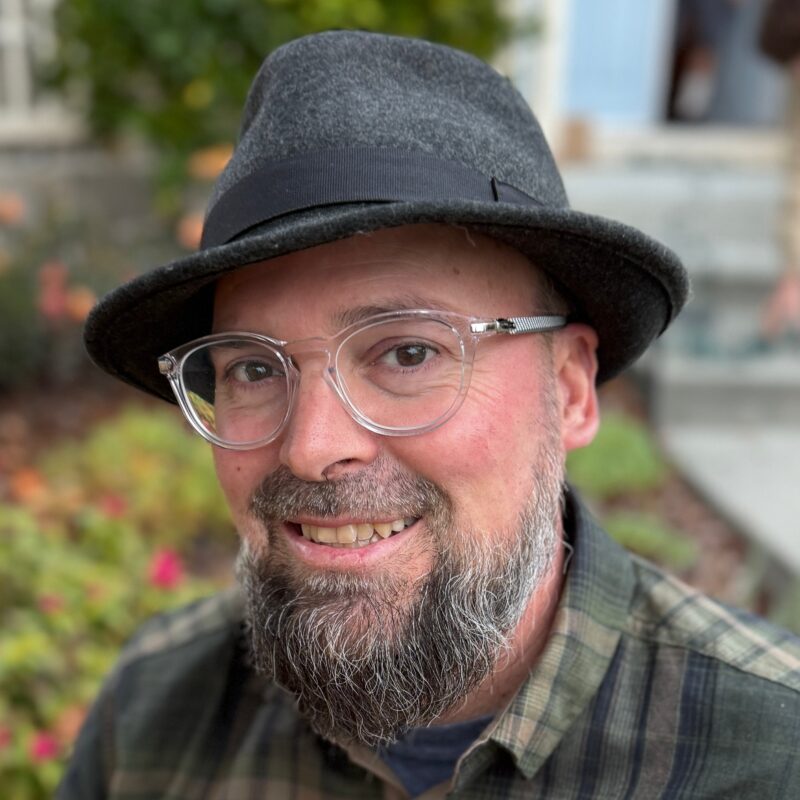
Founder | Permaculture Artisans
Erik Ohlsen, a master of regenerative design, internationally-recognized Permaculture teacher, landscape contractor, award-winning author, farmer, herbalist, and practitioner of Nordic folk traditions, has founded numerous organizations that regenerate ecosystems, including his award-winning landscape design and contracting firm, Permaculture Artisans, established in 2006. Erik has committed decades to repairing ecosystems and connecting people with the land throughout the globe, designing and implementing hundreds of regenerated landscapes and farms, growing food and capturing millions of gallons of water per year.
Redbird Willie
Organizer | Buckeye Gathering
Redbird Willie, a true native of California (of Pomo, Wintu, Paiute, and Wailaki ancestry), is a multi-faceted artist (graphic design, illustration, painting, wood and stone sculpture, basket-weaving, etc.) as well as a highly experienced Permaculture design instructor. Land Manager for the Cultural Conservancy’s Heron Shadow land project in Sonoma County where he shares and practices his skills in traditional Ecological Knowledge (TEK), including habitat restoration, cultural revitalization, and fire ecology, Redbird, who has taught people of all ages from elementary schools to universities, has, among his many roles been: an organizer of the annual Buckeye Gathering; an instructor for Weaving Earth; and an advisor for Daily Actsʼ Leadership Institute.
