Restoring the Ecology of Health in the Anthropocene’s “Polycrisis”
Co-hosted by the Science and Environmental Health Network (SEHN)
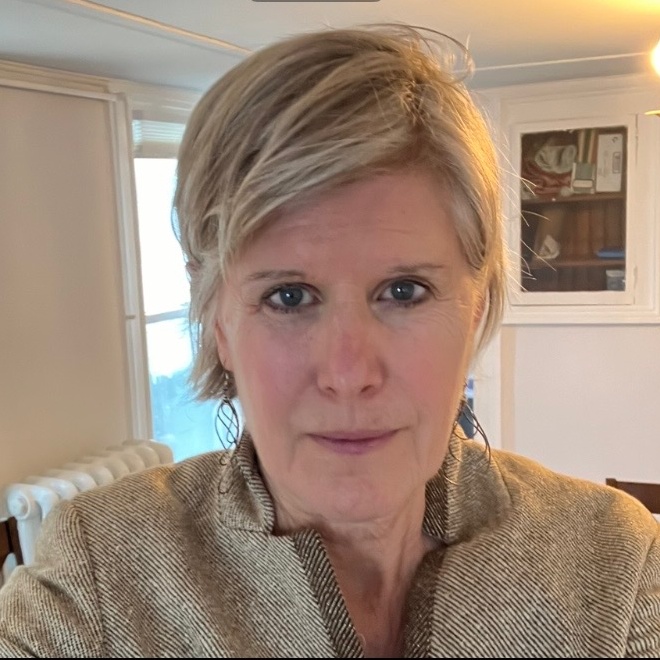
The microbiologist and humanist René Dubos said that “each civilization creates its own diseases,” but it’s also true that every civilization can create the conditions for its own health. Today we are confronting a slew of public health threats including: the climate crisis, chemical and plastic manufacturing, food and economic insecurity, oil and gas extraction, and water shortages arising from fracking and data centers. This panel featuring three of the most renowned public health visionaries of our era will explore how we can empower communities with scientific knowledge, legal tools and organizing strategies, (including the precautionary principle) to stop the further toxification of our environment and restore our ecosystems to foster conditions conducive to health. With: Ted Schettler, MD, MPH, a physician and SEHN’s Science Director; and Sandra Steingraber, Ph.D., a biologist and SEHN’s Senior Scientist and bestselling author.
Magnes Museum
Add to your calendar
GOOGLE CALENDAR OUTLOOK APPLE CALENDAR / ICSMarch 27th | 4:45 pm to 6:00 pm
Panelists
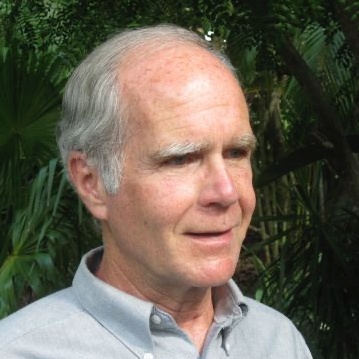
Ted Schettler
Science and Environmental Health Network
Science Director
Ted Schettler MD, MPH, the Science Director of the Science and Environmental Health Network, who has a medical degree from Case Western Reserve University and a master’s degree in public health from Harvard, is the author of: The Ecology of Breast Cancer and the co-author of several books, including: Generations at Risk: Reproductive Health and the Environment; In Harm's Way: Toxic Threats to Child Development, and: Environmental Threats to Health Aging. He has also published many articles in peer-reviewed journals and has served on advisory committees of the U.S. EPA and the National Academy of Sciences.
Sandra Steingraber