Environmental Justice, One City at a Time: The Berkeley Model
Co-hosted by The Ecology Center
Very few activists and civil society leaders focused on zoning until they began to understand its immense power to shape our cities. Far too often zoning boards in the pockets of corporate interests make decisions that lead to exclusion and extraction. Zoning plays a key role in who bears the burdens and who reaps the benefits of development, including deciding where toxic facilities are sited and if affordable housing is possible. It has proven incredibly challenging, even for cities that want to do the right thing, to bring Environmental Justice issues and historically disenfranchised communities into planning processes with equity, collaboration, and transparency.
In 2016, California adopted a landmark law (SB1000) requiring every city in the state to adopt an Environmental Justice Element of its general plan. As a result, for the last decade cities across the state have been challenged to acknowledge environmental racism and injustice and to make plans to address them. Berkeley is in the midst of this, with the Ecology Center leading an Equitable Community Engagement process designed to upend one-way, transactional, and extractive planning and to build a model for trust-building, deep listening, relationship building, and accountability.
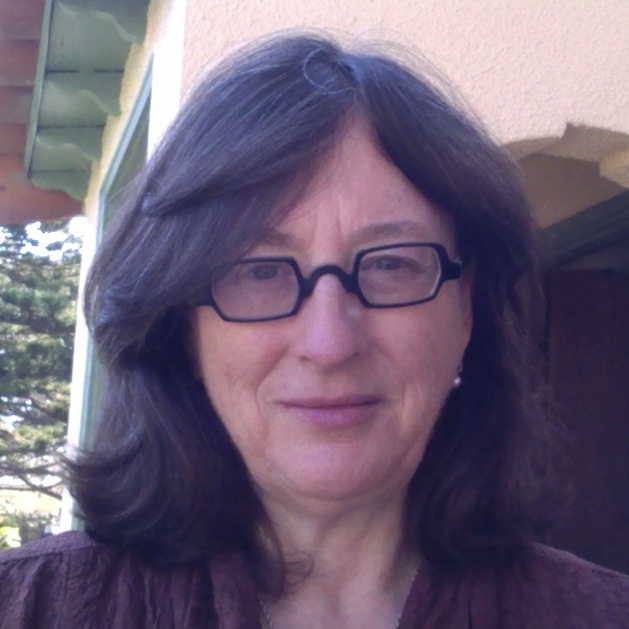
In this session, local community activists, city planners, and grassroots community members will share the new approaches at play in Berkeley, and how other communities can draw from its process to listen, engage, and respond to those most often left out of and most impacted. As the saying goes: ” If you’re not at the table, you’re on the menu.” Hosted by Martin Bourque, Executive Director, Ecology Center. With: Pilar Zuñiga, Community Engagement Program Director, Ecology Center; Alene Pearson, Deputy Director for the Planning and Development Department at the City of Berkeley; Pastor Michael Smith, founder of the Center for Food, Faith & Justice; Wilhelmenia Wilson, Executive Director of Healthy Black Families; and Betsy Morris, co-convenor of Gray Panthers Berkeley-East Bay.
Goldman Theater, Brower Center
Add to your calendar
GOOGLE CALENDAR OUTLOOK APPLE CALENDAR / ICSMarch 26th | 4:45 pm to 6:00 pm
Panelists
Pilar Zuñiga

Community Engagement Program Director
Ecology Center
Pilar Zuñiga, a Climate Equity Consultant with the Ecology Center in Berkeley, has, for the past 2 years worked with the City of Berkeley and the community to establish and expand environmental justice and climate adaptation initiatives. A longtime sustainability practitioner, educator and community organizer, her multi-faceted professional involvements include: youth development, sexual and reproductive health, art, business development, and sustainable floral design via her business, Gorgeous and Green.
Alene Pearson
Deputy Director for the Planning and Development Department
City of Berkeley
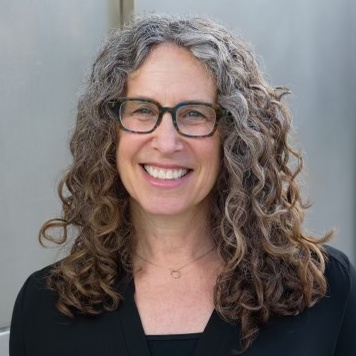
Alene Pearson, an AICP-certified planner with 25+ years’ experience in city planning, project management, and team leadership, currently serves as Deputy Director for the Planning and Development Department at the City of Berkeley, where she oversees departmental operations, supports staff, and manages special projects. Alene has led a wide range of land use, transportation, housing, and environmental planning projects and has contributed to the development of a number of inclusionary housing policies and equity initiatives. She is known for building strong partnerships with colleagues and stakeholders and helping to advance policies and programs that benefit the communities she serves.
Martin Bourque

Executive Director
Ecology Center
Martin Bourque, the Executive Director of the Ecology Center in Berkeley since 2000, has led that cutting-edge non-profit to become a high-impact engine for change locally, regionally and nationally, helping move progressive agendas in such domains as transparency in plastic recycling, pollution reduction, food and farming, access and equity, consumerism, and zero waste.
Reverend Dr. Michael A. Smith
Founder
Center for Food, Faith & Justice
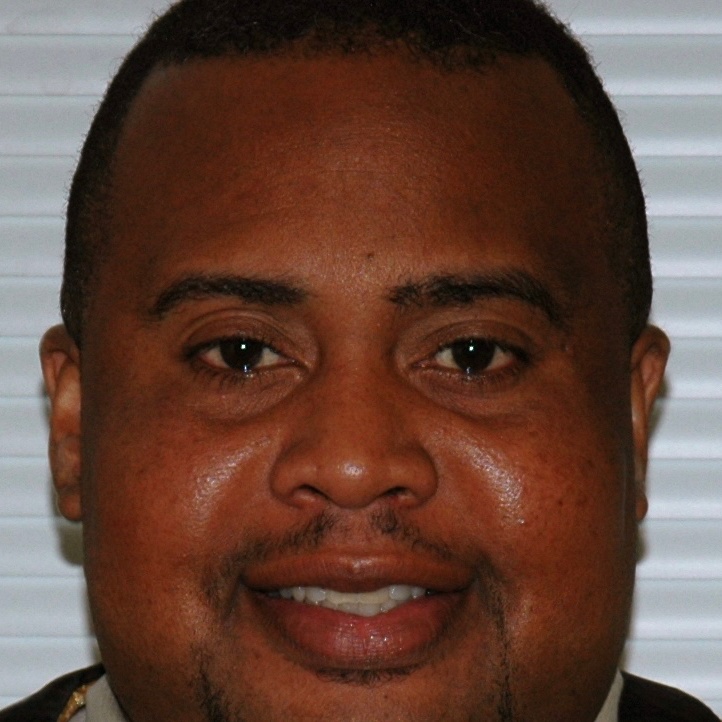
Reverend Dr. Michael A. Smith, a nonprofit professional with nearly 30 years of executive leadership experience, has, since 2005, served as Pastor of McGee Avenue Baptist Church in Berkeley, CA, where he founded the Center for Food, Faith & Justice in 2015 as a nonprofit community-based organization in response to the local needs of food sovereignty, healthy equity, violence prevention, affordable housing, workforce development and community food security through urban agriculture. Pastor Michael, as he is affectionately called, has also served as Affiliate Professor of Ecojustice and Creation Care at the Berkeley School of Theology.
Wilhelmenia Wilson
Executive Director
Healthy Black Families
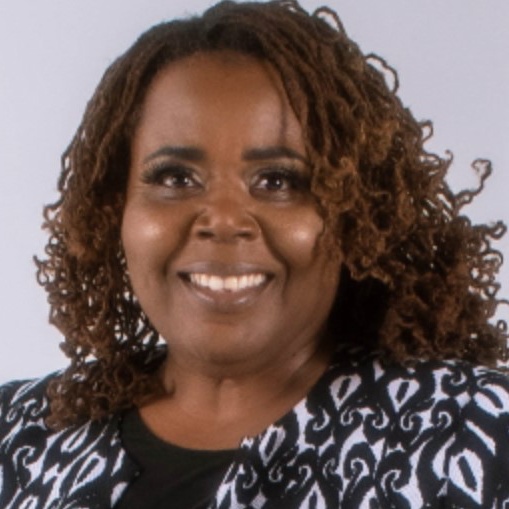
Wilhelmenia “Mina” Wilson is Executive Director at Healthy Black Families, Inc., a Berkeley-based public-health non-profit that organizes individuals, families, and the institutions that serve them into collaborative communities empowered with skills to advance social equity and justice, with a focus on Black people, families and communities. Mina’s ancestry connects her to Somerset Place, a North Carolina plantation where five generations of her forebears were exploited as enslaved people, an ancestral connection that informs her work in the world.
Betsy Morris