
Thursday, March 26th
A large coalition of labor and community organizations has launched a national “Living Wage for All” campaign, a bold push to address the affordability crisis, a centerpiece of which is raising the minimum wage closer to the actual cost of living (at least $25 nationwide and $30 in higher-cost regions) for all workers, with no exceptions. This is of course worth doing simply for the sake of fairness and justice, so that all of us can make ends meet and lead dignified lives, but it’s even more critically important in this dangerous historical moment. Many working people, feeling betrayed by elites, have concluded that our system of government hasn’t worked for them, and some have been seduced by far-right “fake populism.” According to Saru Jayaraman, President of One Fair Wage, one of the most effective, tireless advocates for working people in the nation, we can rally many working people to the urgent defense against plundering kleptocratic authoritarianism, but only if we demonstrate to them that democracy is worth saving by insisting on making it responsive to their economic struggles. This effort could very well be the key element in any strategy that will permit us to successfully resist the oligarchic coup now underway.
March 26th | 11:26 am to 11:48 am | Zellerbach Hall
Introduced by
Kenny Ausubel
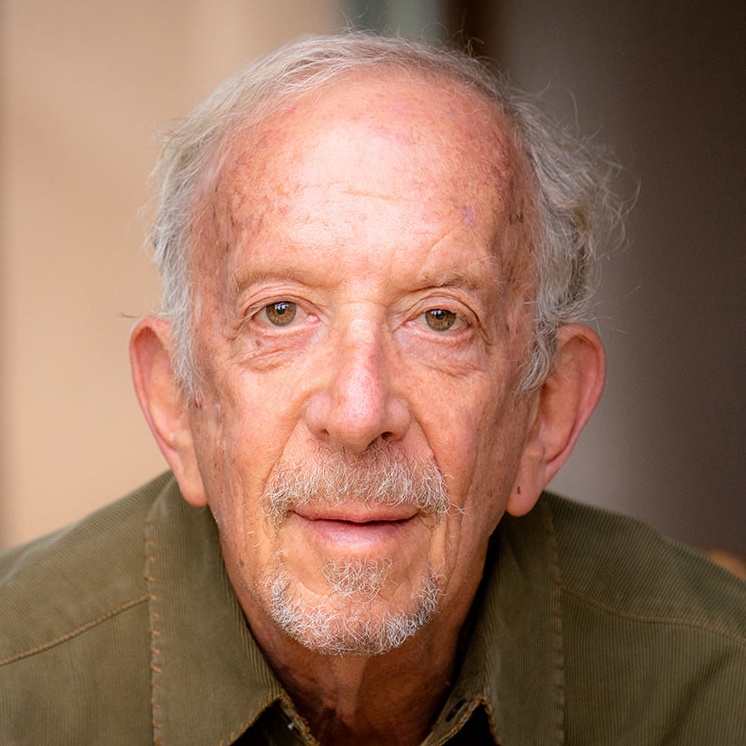
CEO and Co-Founder | Bioneers
Kenny Ausubel, CEO and co-founder (in 1990) of Bioneers, is an award-winning social entrepreneur, journalist, author and filmmaker. Co-founder and first CEO of the organic seed company, Seeds of Change, his film (and companion book) Hoxsey: When Healing Becomes a Crime helped influence national alternative medicine policy. He has edited several books and written four, including, most recently, Dreaming the Future: Reimagining Civilization in the Age of Nature.
Saru Jayaraman

President | One Fair Wage
Saru Jayaraman (JD, Yale, MPP Harvard), an academic at UC Berkeley and a renowned labor activist, is President of One Fair Wage, which organizes to raise wages and end sub-minimum wages nationwide. She has won numerous awards for her activism, including being named: one of CNN’s “Top10 Visionary Women,” a White House Champion of Change, a James Beard Foundation Leadership Award winner, and a San Francisco Chronicle ‘Visionary of the Year.’ Saru, who is interviewed and cited frequently in major media outlets, is author of: Behind the Kitchen Door; Forked: A New Standard for American Dining; and One Fair Wage: Ending Subminimum Pay in America.
Across the world, mothers and children are bearing the brunt of humanitarian catastrophe — from Gaza and Sudan to other conflict zones where medical systems are collapsing. And here in the U.S., maternal health inequities remain staggering, with Black women three times more likely to die from pregnancy-related causes than white women. This session brings together frontline medical workers responding to these crises both globally and locally. Hosted by Sandra Adler Killen, Emergency Room and Pediatric RN who has worked in underserved communities in the U.S. and internationally, including most recently in Gaza. With: Brandi Gates-Burgess, founder and Executive Director of Breast Friends Lactation and Support Services; and Dr. Cindy Nelly, global health consultant with 25+ years’ experience delivering care and building health systems in conflict and disaster zones. Moderated by Tiffany McElroy, Emmy Award-winning television journalist.
March 26th | 3:00 pm to 4:15 pm | Golden Bear Room, Hotel Shattuck Plaza
Panelists
Cindy Nelly
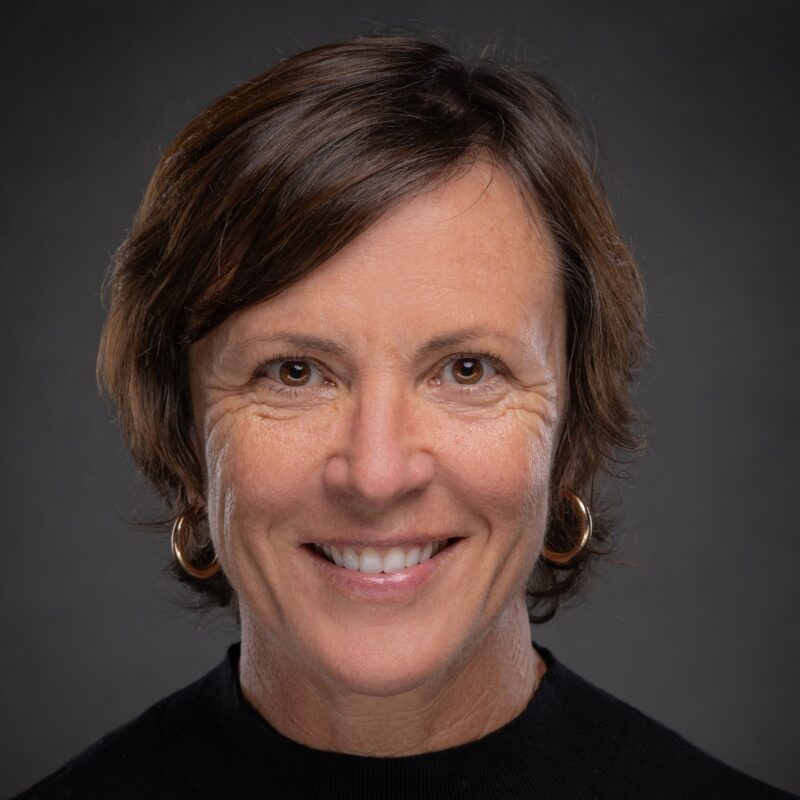
Faculty Member and Clinician | University of Florida
Dr. Cindy Nelly, DNP, APRN, CNM, is a faculty member and clinician at the University of Florida and a global health consultant with 25+ years’ experience delivering care and building health systems in austere environments affected by conflict, natural disasters, and large-scale displacement. Her work spans over 15 countries and focuses on emergency clinical care, workforce training, and operational leadership. Most recently, she has supported frontline health services in Gaza, strengthening emergency, maternal, and women’s health capacity while partnering with local and international teams to sustain care under extreme constraints.
Brandi Gates-Burgess
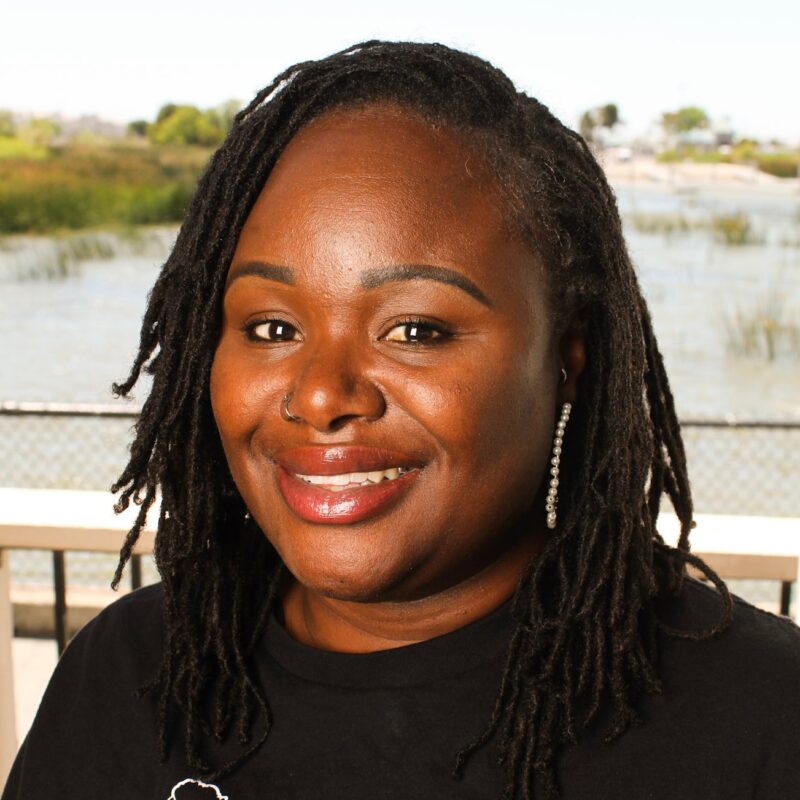
Founder and Executive Director | Breast Friends Lactation and Support Services
Brandi Gates-Burgess, IBCLC, the founder and Executive Director of Breast Friends Lactation Support Services, a nonprofit that provides clinical lactation care, peer counseling, support groups, and community-based education to Black families across the Bay Area, also works as a hospital-based lactation consultant at Highland Hospital in Oakland. In addition to her clinical work, Brandi serves as the Community Engagement Specialist for the UCSF MILK Research Lab, where she co-developed the NICU Toolkit for Black Families, Hospitals, and Birth Centers. She is also deeply involved in community research and advocacy, serving on the Community Advisory Boards for the UCSF Preterm Birth Initiative and the Perinatal Equity Initiative and also co-chairs the Breastfeeding Cultural Outreach Taskforce (BCOT), whose mission is to revive the art and tradition of breastfeeding in the Black community.
Tiffany McElroy

Communications Strategist
Tiffany McElroy, a two-time Emmy Award-winning television journalist and news anchor with experience covering major political and cultural stories at the local and national levels, received an Emmy Award in 2009 for an hour-long news special, The Legacy of Martin Luther King: Forty Years After Memphis. A UCLA graduate, McElroy began her broadcasting career in California before anchoring and reporting in Philadelphia and New York City. She now serves as a part-time instructor of Communications and Media Technology and works as a communications strategist in the Bay Area.
Sandra Adler Killen
Emergency Room and Pediatric RN
Sandra Adler Killen, an Emergency Room and Pediatric RN and Internationally Board-Certified Lactation Consultant (IBCLC), has, since 2009, dedicated her career to supporting underserved communities in the U.S. and internationally, with projects spanning Mexico, Syria, and Lebanon. In 2024, she deployed to Gaza as a trauma RN, providing frontline care for mass casualties with the Palestine Red Crescent Society (PRCS) and recently completed her third deployment with GINA—the Gaza Infant Nutritional Alliance—where she focused on pediatric care, lactation support, and capacity-building initiatives. Sandra is also part of an international telehealth lactation consultant team offering remote care and guidance to thousands of mothers and babies in Gaza.
In a time of climate crisis, wars for oil, and rising authoritarianism threatening people and planet, we find hope in resistance and in solutions led by Indigenous peoples and local communities calling for phasing out fossil fuels and a just transition to local, clean and renewable energy. We are also encouraged by subnational and international commitments, including California’s investigation of its imports of oil from the Amazon and its plans to phase out its use of fossil fuel by 2045, as well as Colombia’s announcement during COP30 that it won’t license any new oil extraction. Colombia will, in fact, host the First International Conference for the Just Transition Away from Fossil Fuels this April together with the Netherlands and several other countries. In this session, some local, national and international leaders in the Just Transition Movement will delve into the challenges and opportunities and share their strategies. With: Michelle Chan, Co-Executive Director of Asian Pacific Environmental Network (APEN); Katie Valenzuela, CA Policy Consultant & former Sacramento City Council Member; Josh Becker, CA State Senator (D-13) and author of SR 51, a unanimously approved CA state resolution to review imports of crude oil from the Amazon rainforest and an eventual phase-out; and Nadino Calapucha, a young Kichwa leader from the Shiwakucha community in the Ecuadorian Amazon and President of the TU AMAZONÍA Foundation. Hosted by Leila Salazar-López, Executive Director of Amazon Watch.
March 26th | 3:00 pm to 4:15 pm | Goldman Theater, Brower Center
Panelists
Michelle Chan
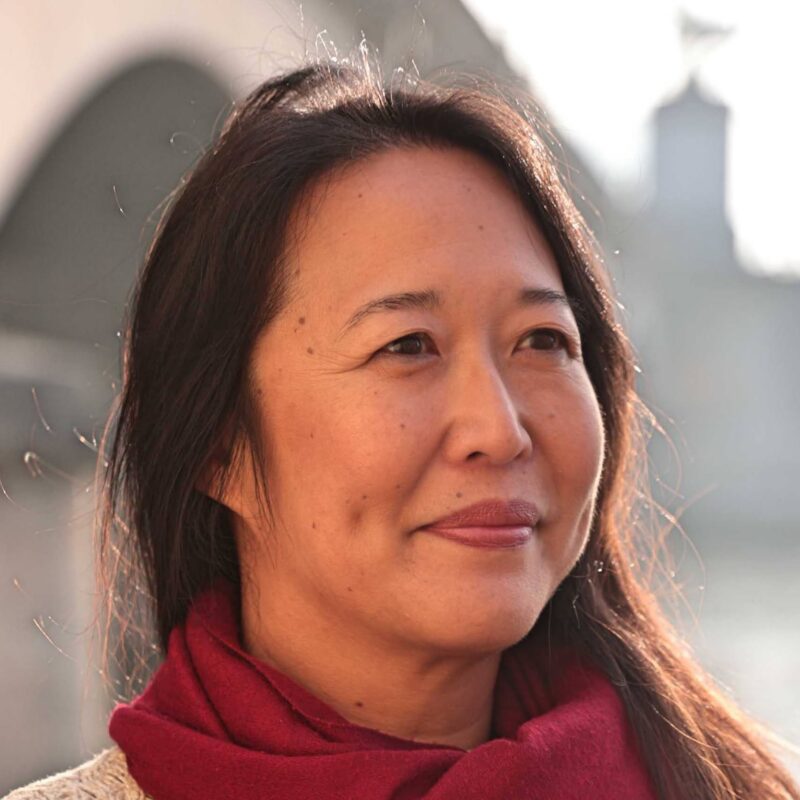
Co-Executive Director | Asian Pacific Environmental Network (APEN)
Michelle Chan is the Co- Executive Director of the Asian Pacific Environmental Network (APEN), a California-based environmental justice organization that builds the power of Asian immigrant and refugee communities and advances climate resilience, affordable housing and a just transition off fossil fuels. Prior to joining APEN, Michelle was the VP of Programs for Friends of the Earth (FOE) US, where she provided strategic leadership for campaigns on climate, energy, oceans, food and economic justice. Previously, she led FOE’s Economic Policy team, and campaigned to hold Wall Street accountable for its environmental impacts.
Nadino Calapucha
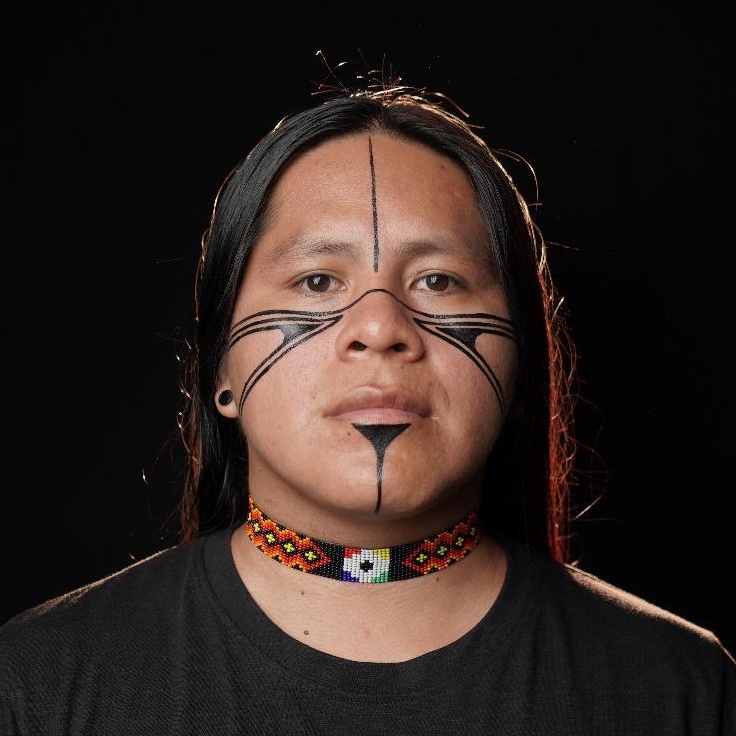
President | TU AMAZONÍA Foundation
Nadino Calapucha, a young Kichwa leader from the Shiwakucha community in the Ecuadorian Amazon, has, since his childhood championed the rights of his people and advocated for Indigenous rights and protection of the Amazon at international fora, including the UNFCCC negotiations. He has held leadership roles in multiple Indigenous organizations, including the Confederation of Indigenous Nationalities of Ecuador (CONAIE) and the Coordinator of Indigenous Organizations of the Amazon Basin (COICA), and he currently serves as President of the TU AMAZONÍA Foundation. Since 2013, Nadino, who holds a law degree from the Private Technical University of Loja (UTPL), has also led the intercultural Amazonian music band KAMBAK.
Katie Valenzuela
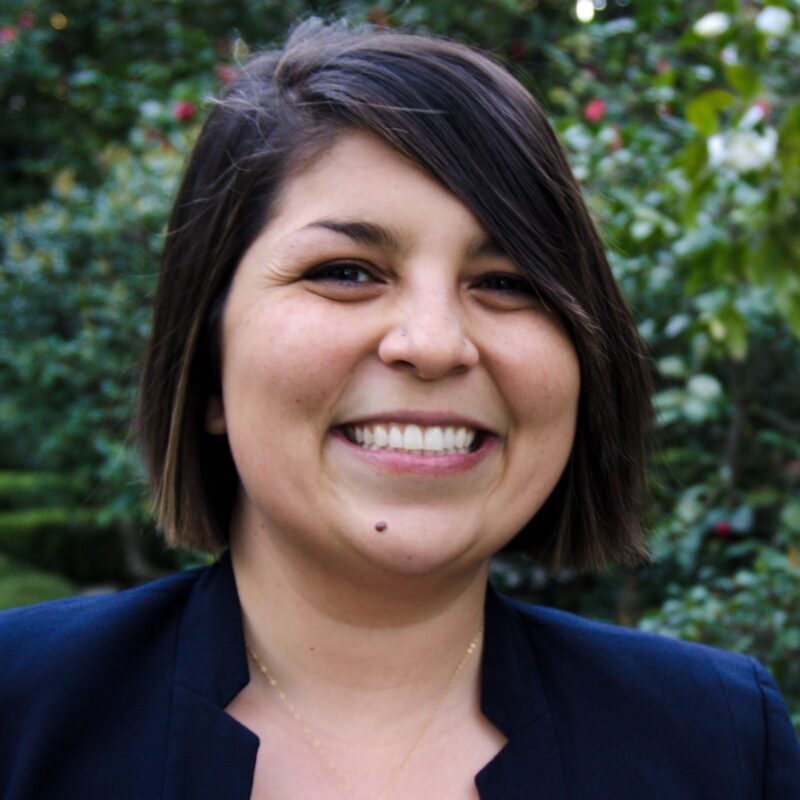
CA Policy Consultant
Katie Valenzuela, a policy consultant based in Sacramento, CA, has empowered communities, organizations, and coalitions to engage in state and local policy for 25+ years. She has built legislative campaigns for education justice, civil rights, food access, public safety, public health, housing access, and environmental justice. Katie’s experience includes serving as a member of the Sacramento City Council from December 2020 to 2024, as Policy and Political Director for the California Environmental Justice Alliance, as Principal Consultant for the California Legislature’s Joint Legislative Committee on Climate Change Policies, and as a founding board member of the Sacramento Community Land Trust. She has shared her expertise as an invited speaker and training session leader at major venues across the country.
Josh Becker
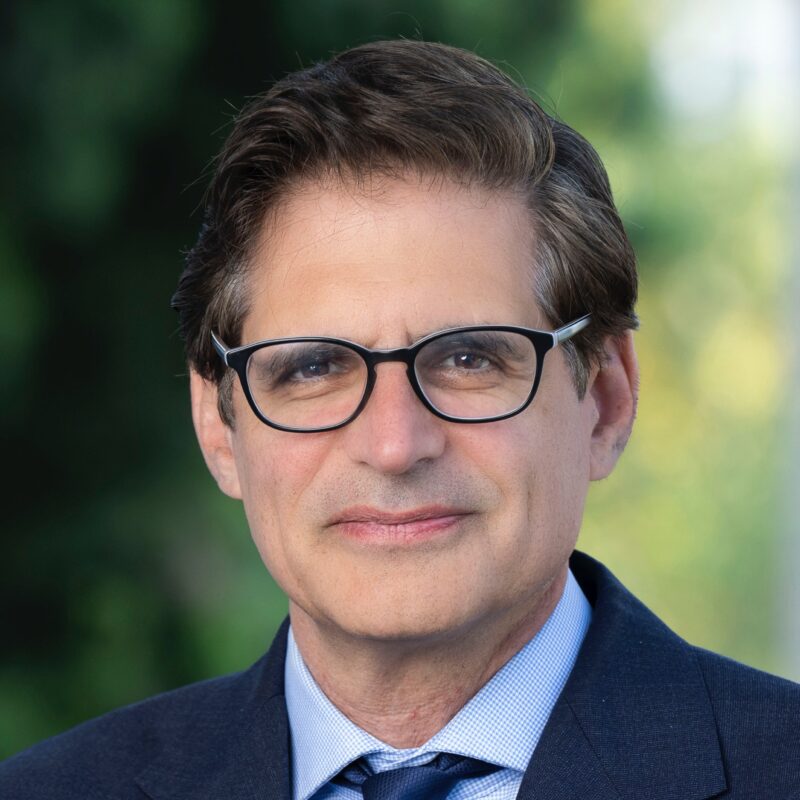
Senator | State of California
Senator Josh Becker, JD/MBA, a public policy innovator working at the nexus of community activism, technology and social justice, was elected to the California State Senate in 2020, representing the 13th District, which comprises most of San Mateo County and northern Santa Clara County. Among his many accomplishments, Josh worked with refugees in war-torn Central America in the 90s; later created Full Circle, a community leadership and policy innovation organization; served 7 years on the California State Workforce Development Board; was a founding trustee at UC Merced; co-founded New Cycle Capital, a pioneer in building socially responsible businesses; founded a legal tech accelerator to support innovative entrepreneurs in the public policy realm; and, while still a student, co-founded the Stanford Board Fellows program, which trains students to serve on the boards of local nonprofits. (sd13.senate.ca.gov)
Leila Salazar-López
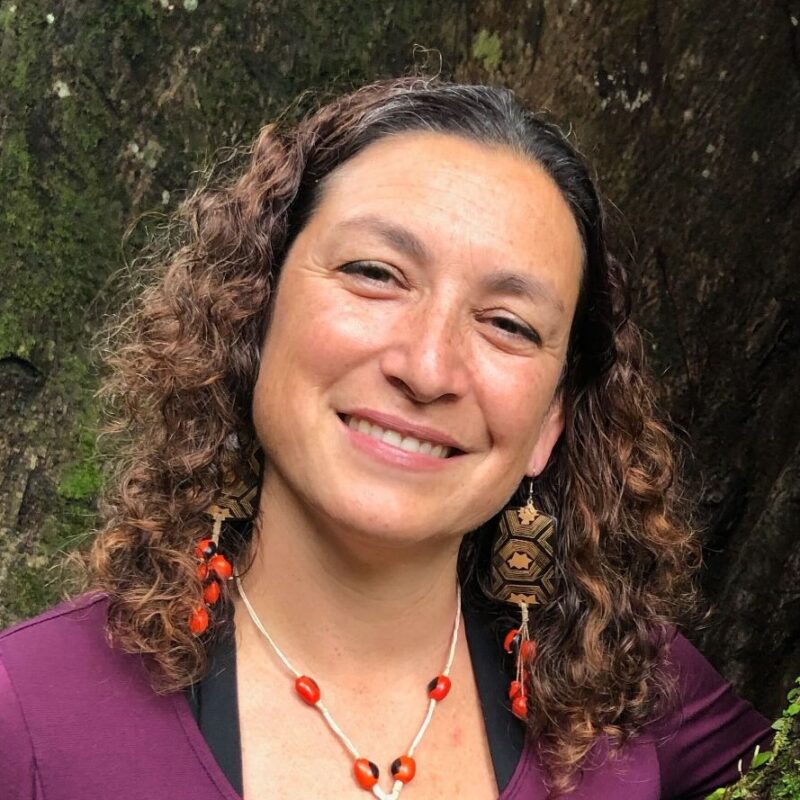
Executive Director | Amazon Watch
Leila Salazar-López has worked for 25+ years to defend the world’s rainforests, human rights and climate through grassroots organizing and international advocacy campaigns. She has been the Executive Director of Amazon Watch since 2015, leading that organization’s work to protect and defend the bio-cultural and climate integrity of the Amazon rainforest in solidarity with Indigenous and forest peoples.
More than two billion people globally suffer from micronutrient deficiencies, and several USDA studies show that there have been significant declines in essential nutrients in a number of food crops over the past 50 years, as the juggernaut of industrialized agriculture has swept the globe. Fortunately, emerging research is finding that healthy farm soils increase the nutrient density of plants, which implies that authentic regenerative farming practices, along with their many benefits to farmers and ecosystems, can reverse that degenerative 50-year trend and help us create a genuinely healthy food system. With: Mary Purdy of the Nutrient Density Alliance and Dan Kittredge of the Bionutrient Food Association. Moderated by Arty Mangan, Director of the Bioneers Restorative Food Systems program.
March 26th | 3:00 pm to 4:15 pm | Magnes Museum
Panelists
Mary Purdy
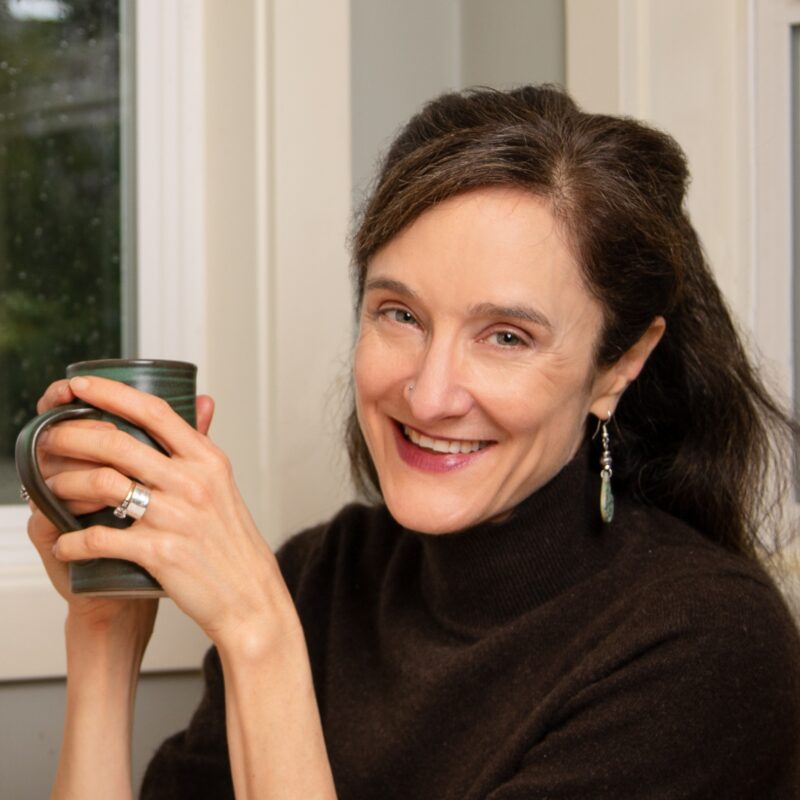
Managing Director | Nutrient Density Initiative
Mary Purdy, MS, RDN, an integrative eco-dietitian, working at the intersection of sustainable food systems and climate and human health, spent 13+ years in clinical practice, taught for 8 years at Bastyr University in Seattle, and is currently Managing Director of the Nutrient Density Initiative that works to connect the dots between soil health and nutrient-rich food. Also on the adjunct faculty at The Culinary Institute of America's Master’s Program in Sustainable Food Systems, she speaks widely on nutrition, sustainability and regenerative agriculture. With 130+ podcast episodes and two books under her belt, Mary is a leading voice on how to foster resilient, just, and healthy food systems.
Arty Mangan
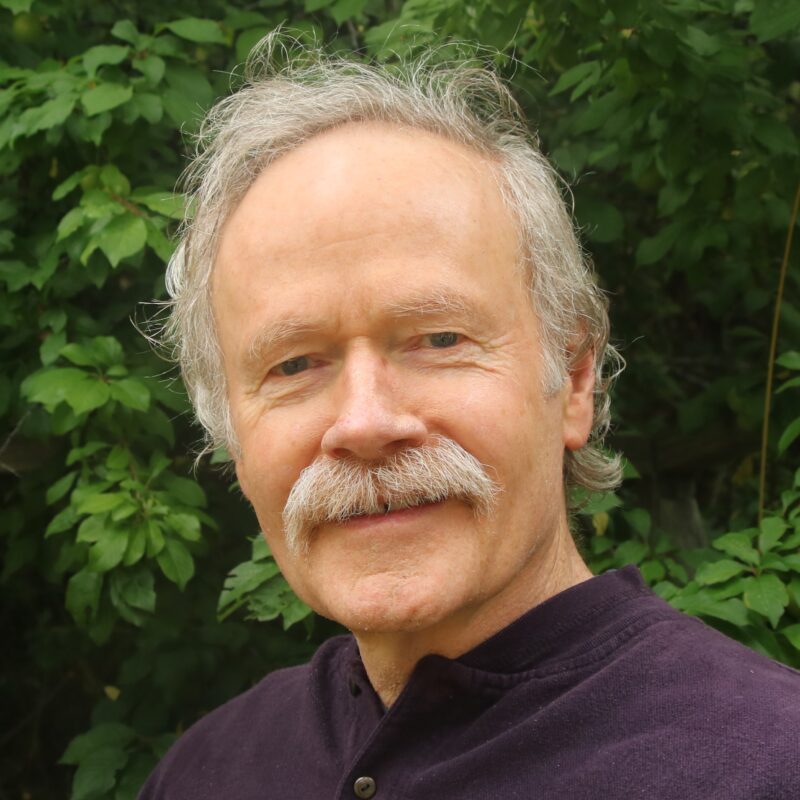
Restorative Food Systems Director | Bioneers
Arty Mangan, Director of the Bioneers Restorative Food Systems program, worked as farm worker and local food entrepreneur. He has also worked with Indigenous farmers growing traditional crops and with Black farmers developing ecological agricultural trainings. His current focus is on the intersection of climate and regenerative agriculture. Mangan is a former board president of the Ecological Farming Association.
Dan Kittredge
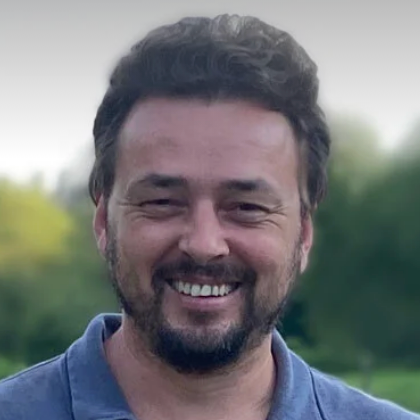
Executive Director | Bionutrient Food Association
Dan Kittredge, founder and Executive Director of the Bionutrient Food Association & The Bionutrient Institute, is a lifelong farmer, educator, and passionate advocate for growing nutrient-dense food. With decades of experience in regenerative agriculture and soil science, he has made it his mission to empower farmers, gardeners, and consumers to unlock the full potential of their crops and landscapes based on the inseparability of soil health, plant vitality, and human well-being, and a fundamental understanding of food quality as the central tenet of health and sustainability.
For 500 years, our ancestors faced annihilation, and yet we Indigenous inhabitants of this continent are still here, so it’s no surprise many other people are turning to us for help in finding ways to address the biggest crises of our time. We have been able to hold onto our ways of being and seeing, some of us continuously and some after awakening from a long slumber. We are learning how to heal from intergenerational trauma by feeding our spirits and bodies through remembering. The aftermath of the apocalypses our peoples have endured is both a warning and a beacon of hope that all people can learn from. Moderated by Cara Romero (Chemehuevi), Director of the Bioneers Indigeneity Program. With: renowned actor and musician Gary Farmer (Cayuga); activist, writer/filmmaker Julian Brave NoiseCat (Secwepemc); Natalie Ball, award-winning artist, member of the Klamath Tribes Tribal Council.
March 26th | 3:00 pm to 4:15 pm | Berkeley Ballroom, Residence Inn
Panelists
Gary Farmer
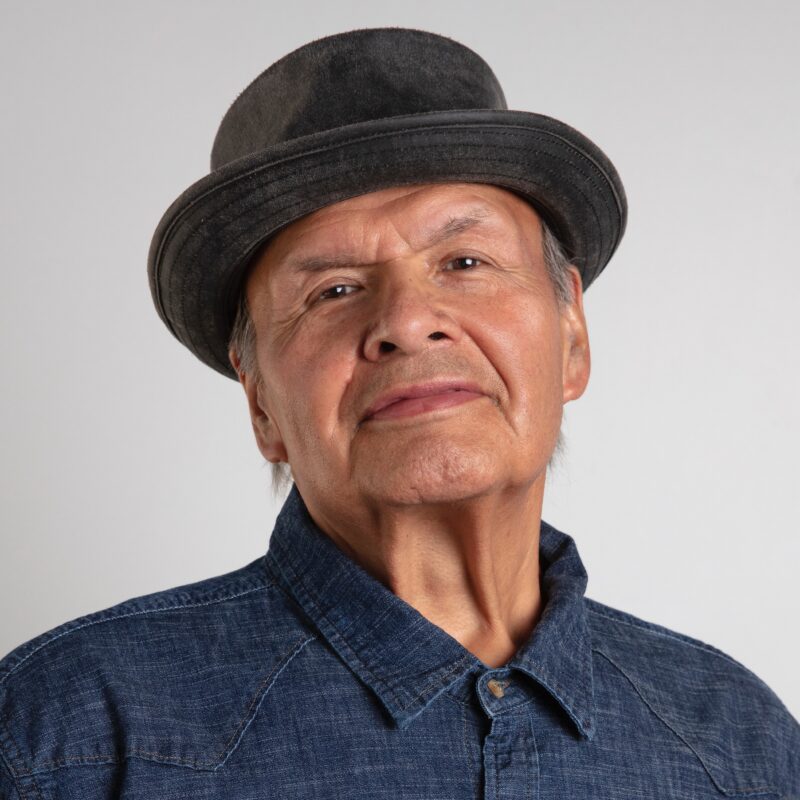
Renowned First-Nations Actor and Musician
Gary Farmer, an actor and musician born on Six Nations land along the Grand River, Ohsweken, Ontario, is widely recognized as a groundbreaking figure in the development of Indigenous media in Canada. The founding Director of Aboriginal Voices Radio Network, he was also the Publisher of Aboriginal Voices Magazine from 1993 to 2003. As an actor Gary has been nominated for three Independent Spirit Awards for Best Supporting Male Actor in: Powwow Highway, Dead Man, and Smoke Signals, and, most recently, he is a regular on two popular television series—Resident Alien and Reservation Dogs.
Julian Brave NoiseCat

Filmmaker and Author | Sugarcane
Julian Brave NoiseCat (member, Canim Lake Band Tsq’escen, and descendant, Lil'Wat Nation of Mount Currie), formerly a political strategist, policy analyst and cultural organizer who played a major role, in, among other achievements, commemorating the 50th anniversary of the 1969 Alcatraz Occupation and getting Deb Haaland appointed Interior Secretary (the first Native American cabinet secretary in U.S. history), is a writer, journalist, and the first Indigenous North American filmmaker ever nominated for an Academy Award (for his co-direction of Sugarcane). NoiseCat’s journalism has appeared in dozens of leading national publications and has been recognized with many awards. His first book, We Survived the Night, was a national bestseller in Canada and an indie bestseller in the U.S., and Julian is also a champion powwow dancer who played hockey for three of the oldest teams in the game: Columbia University, the Oxford University Blues and the Alkali Lake Braves.
Natalie Ball

Award-Winning Artist
Natalie Ball, MFA, an elected member of the Klamath Tribes Tribal Council, is an artist whose work has been shown nationally and internationally. She has won many prestigious awards for her art, including fellowships from Native Arts and Cultures and the Hallie Ford Foundation, as well as grants and/or awards from the Pollock-Krasner Foundation and the Seattle Art Museum, to mention only a few.
Cara Romero
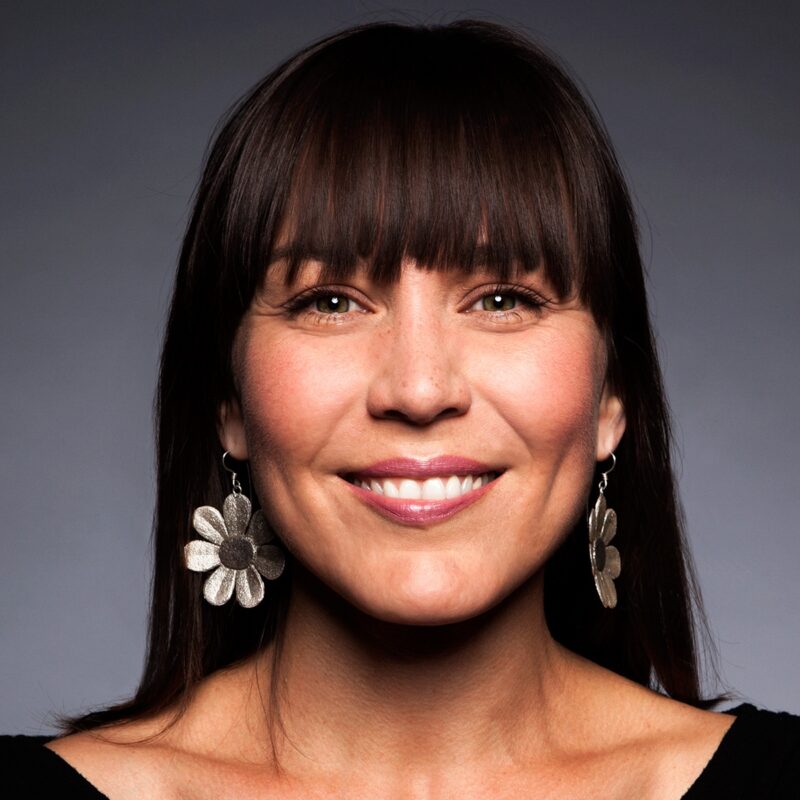
Executive Director | Bioneers
Cara Romero (Chemehuevi), Executive Director and Program Director of the Bioneers Indigeneity Program, previously served her Mojave-based tribe in several capacities, including as: first Executive Director at the Chemehuevi Cultural Center, a member of the tribal council, and Chair of the Chemehuevi Education Board and Chemeuevi Headstart Policy Council. Cara is also a highly accomplished photographer/artist.
In an era of national polarization and digital fragmentation, some of the most powerful solutions are emerging at the community level—where authentic connection meets tangible change. This dynamic panel brings together two critical threads of democratic renewal: innovative leaders who are reimagining how we build community in digital spaces, and local elected officials who are translating that community power into transformative policy wins. This panel will bridge the often-separated worlds of online community-building and “real-world” governing, showing how they can reinforce each other by using democratic “from the ground up” renewal strategies and tools. Come discover how building rooted, resilient communities can offer an antidote to national dysfunction. Hosted by Reena Szczepanski, Civic (Re)Solve. With: Kasiana McLenaghan, Product Director, Public Spaces Incubator, New_ Public (a non-profit R&D lab focused on creating prosocial digital spaces); Charlene Wang, Oakland City Councilmember in District 2; and Jiggy Geronimo, Principal at JG Insights.
March 26th | 3:00 pm to 4:15 pm | Crystal Ballroom, Hotel Shattuck Plaza
Panelists
Reena Szczepanski
Justice, Equality and Public Health Activist
Reena Szczepanski has spent her career working for justice, equality, and public health, starting in her teenage years doing work/study as a caregiver for babies affected by HIV/AIDS and eventually managing the New Mexico Department of Health’s Hepatitis Program. She later became Executive Director of Emerge New Mexico, a statewide organization dedicated to training women to run for office and led the Drug Policy Alliance New Mexico to many legislative victories, including the state’s medical cannabis law, substance abuse treatment, and criminal justice reform. Reena then served as the Chief of Staff to Speaker Brian Egolf, and in 2022 was herself elected to the New Mexico House of Representatives and was elected House Majority Leader by her colleagues. She is the first Asian American elected to legislative leadership in the history of New Mexico.
Charlene Wang
Councilmember | Oakland City Council
Charlene Wang, the Oakland City Councilmember representing District 2, has had a career spanning local, state, and federal governments, leading complex reforms in housing, homelessness, transportation, education, public safety, and environmental justice policies, including leading the $4 billion federal Reconnecting Communities initiative, a landmark infrastructure program repairing the damage caused by highways that displaced and divided disenfranchised communities nationwide. Earlier in her career, she restructured homeless response systems, helped implement universal preschool and Head Start programs and advanced environmental justice and civil rights enforcement at the U.S. EPA. Shaped by firsthand exposure to gender-based violence, Charlene has made combating violence against women and vulnerable people a core focus of her work. On the City Council, she chairs the Public Safety Committee and chairs Oakland’s anti-human-trafficking task force. Charlene centers community, especially voices that are often left out of policy spaces, in her mission to help build an Oakland where safety, opportunity, and justice are lived realities for every resident.
Jiggy Geronimo
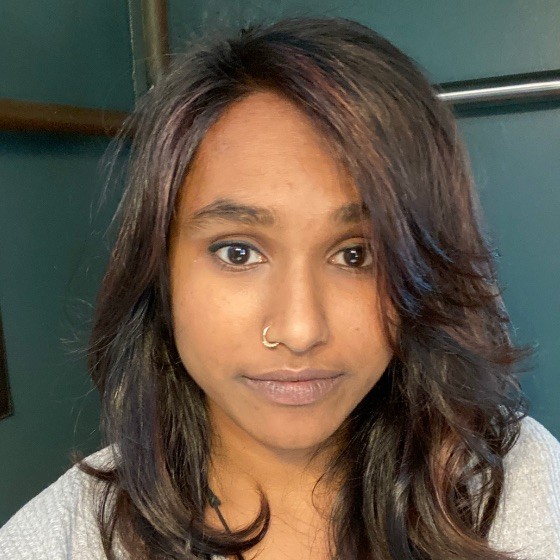
Principal | JG Insights
Jiggy Geronimo, Ph.D., a former neuroscientist and biology professor turned social justice advocate, brings her research expertise and understanding of the mind to her work on political narratives. She is the founder and Principal of JG Insights LLC, an innovative progressive consulting firm designed for the modern media environment that specializes in fostering transformational coalitions and effective campaign strategies. Previously the founding Executive Director of the Research Collaborative where she helped coordinate the national #CountEveryVote campaign to protect the 2020 election, she also ran policy campaigns for democracy in over 10 states working with Voting Rights Lab and Indivisible.
Kasiana McLenaghan
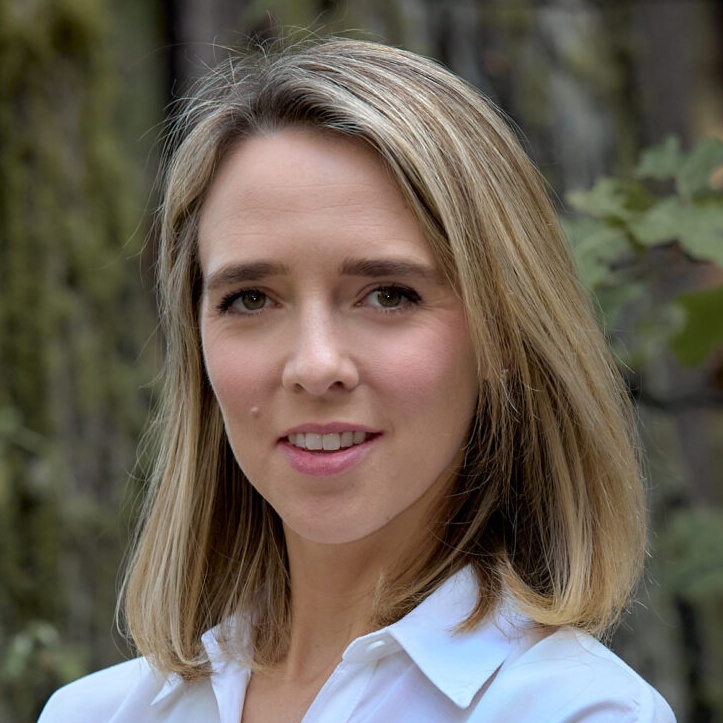
Product Director, Public Spaces Incubator | New_ Public
Kasiana McLenaghan, Product Director, Public Spaces Incubator, New_ Public, a non-profit dedicated to providing communities with healthy digital public spaces, has spent the last decade working at the intersection of journalism and technology. Before joining New_ Public, she built subscriber management platforms and led growth initiatives at The New York Times and oversaw a full site redesign at Axios. Earlier in her career, she served as an Executive Fellow at the California Energy Commission and worked with Silicon Valley startups focused on energy efficiency and smart city platforms.
Facilitated by Earth Island Institute, this session will offer activists and organizers, especially those working in the non-profit realm a congenial space. The intentions are to come together, meet each other, compare notes, and hopefully forge new connections. Facilitators: Bridget Hughes, Earth Island Institute Senior Program Advisor, and Jovida Ross, Food Culture Collective Co-Director.
March 26th | 3:00 pm to 4:15 pm | Ashby Room, Residence Inn
Panelists
Bridget Hughes
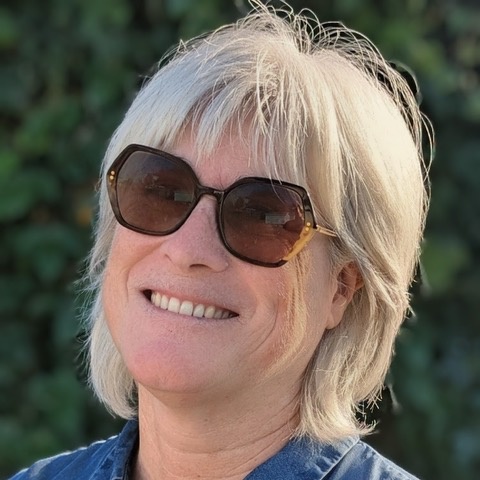
Senior Program Advisor | Earth Island Institute
Bridget Hughes, a Senior Program Advisor at the Earth Island Institute, has worked for 30+ years in social, environmental, economic and racial justice organizations and public agencies, including working on: mental health, housing, unlearning oppression, women's health/HIV, community/school gardening and labor. She is a deeply experienced facilitator and coach with a long track record in capacity-building and organizational development.
Jovida Ross
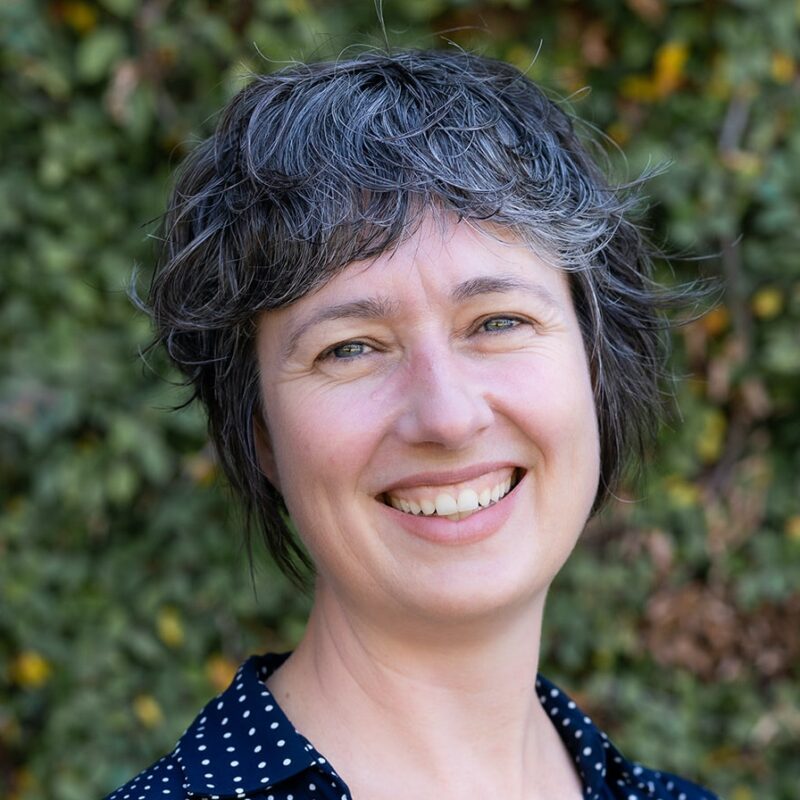
Co-Director of the Food Culture Collective | Earth Island Institute
Jovida Ross, Co-Director of the Food Culture Collective at Earth Island Institute, has 20+ years’ experience working with a wide range of groups to creatively develop proactive, visionary, whole-systems solutions to complex problems. She designs participatory, generative processes and experiential learning to support organizations and teams from small restorative justice circles to large multi-stakeholder strategic initiatives, community organizations and public entities to philanthropic institutions, to meet their goals. Her history spans efforts to generate community-based solutions to violence, queer liberation, reproductive justice, ecologically-responsive and just economies, and climate resilience.
4:45 pm: Environmental Justice, One City at a Time: The Berkeley Model
Co-hosted by The Ecology Center
Very few activists and civil society leaders focused on zoning until they began to understand its immense power to shape our cities. Far too often zoning boards in the pockets of corporate interests make decisions that lead to exclusion and extraction. Zoning plays a key role in who bears the burdens and who reaps the benefits of development, including deciding where toxic facilities are sited and if affordable housing is possible. It has proven incredibly challenging, even for cities that want to do the right thing, to bring Environmental Justice issues and historically disenfranchised communities into planning processes with equity, collaboration, and transparency.
In 2016, California adopted a landmark law (SB1000) requiring every city in the state to adopt an Environmental Justice Element of its general plan. As a result, for the last decade cities across the state have been challenged to acknowledge environmental racism and injustice and to make plans to address them. Berkeley is in the midst of this, with the Ecology Center leading an Equitable Community Engagement process designed to upend one-way, transactional, and extractive planning and to build a model for trust-building, deep listening, relationship building, and accountability.
In this session, local community activists, city planners, and grassroots community members will share the new approaches at play in Berkeley, and how other communities can draw from its process to listen, engage, and respond to those most often left out of and most impacted. As the saying goes: ” If you’re not at the table, you’re on the menu.” Hosted by Martin Bourque, Executive Director, Ecology Center. With: Pilar Zuñiga, Community Engagement Program Director, Ecology Center; Alene Pearson, Deputy Director for the Planning and Development Department at the City of Berkeley; Pastor Michael Smith, founder of the Center for Food, Faith & Justice; Wilhelmenia Wilson, Executive Director of Healthy Black Families; and Betsy Morris, co-convenor of Gray Panthers Berkeley-East Bay.
March 26th | 4:45 pm to 6:00 pm | Goldman Theater, Brower Center
Panelists
Pilar Zuñiga

Community Engagement Program Director | Ecology Center
Pilar Zuñiga, a Climate Equity Consultant with the Ecology Center in Berkeley, has, for the past 2 years worked with the City of Berkeley and the community to establish and expand environmental justice and climate adaptation initiatives. A longtime sustainability practitioner, educator and community organizer, her multi-faceted professional involvements include: youth development, sexual and reproductive health, art, business development, and sustainable floral design via her business, Gorgeous and Green.
Alene Pearson
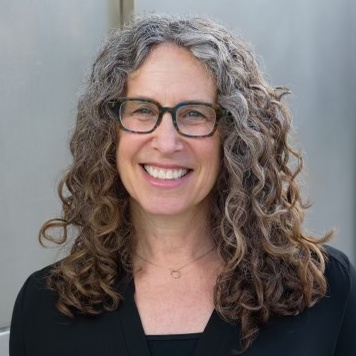
Deputy Director for the Planning and Development Department | City of Berkeley
Alene Pearson, an AICP-certified planner with 25+ years’ experience in city planning, project management, and team leadership, currently serves as Deputy Director for the Planning and Development Department at the City of Berkeley, where she oversees departmental operations, supports staff, and manages special projects. Alene has led a wide range of land use, transportation, housing, and environmental planning projects and has contributed to the development of a number of inclusionary housing policies and equity initiatives. She is known for building strong partnerships with colleagues and stakeholders and helping to advance policies and programs that benefit the communities she serves.
Martin Bourque

Executive Director | Ecology Center
Martin Bourque, the Executive Director of the Ecology Center in Berkeley since 2000, has led that cutting-edge non-profit to become a high-impact engine for change locally, regionally and nationally, helping move progressive agendas in such domains as transparency in plastic recycling, pollution reduction, food and farming, access and equity, consumerism, and zero waste.
Reverend Dr. Michael A. Smith
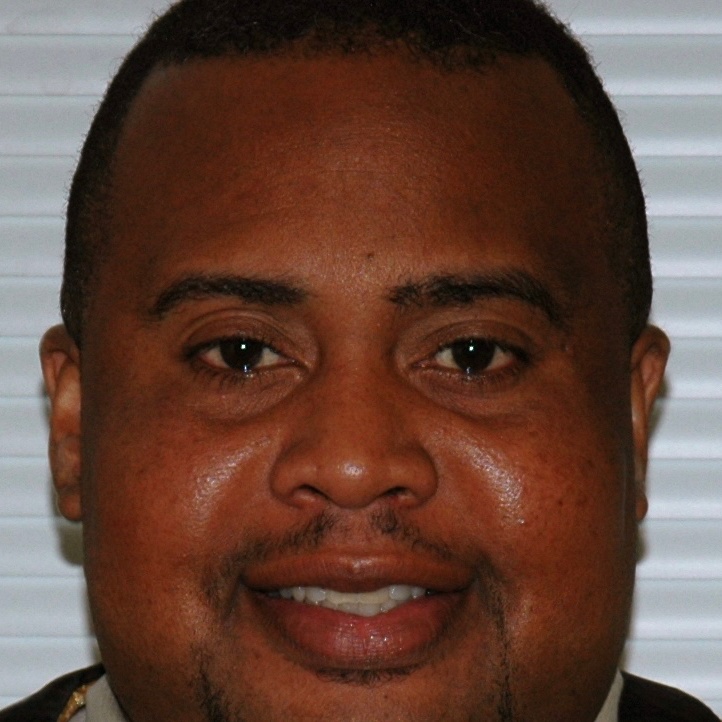
Founder | Center for Food, Faith & Justice
Reverend Dr. Michael A. Smith, a nonprofit professional with nearly 30 years of executive leadership experience, has, since 2005, served as Pastor of McGee Avenue Baptist Church in Berkeley, CA, where he founded the Center for Food, Faith & Justice in 2015 as a nonprofit community-based organization in response to the local needs of food sovereignty, healthy equity, violence prevention, affordable housing, workforce development and community food security through urban agriculture. Pastor Michael, as he is affectionately called, has also served as Affiliate Professor of Ecojustice and Creation Care at the Berkeley School of Theology.
Wilhelmenia Wilson
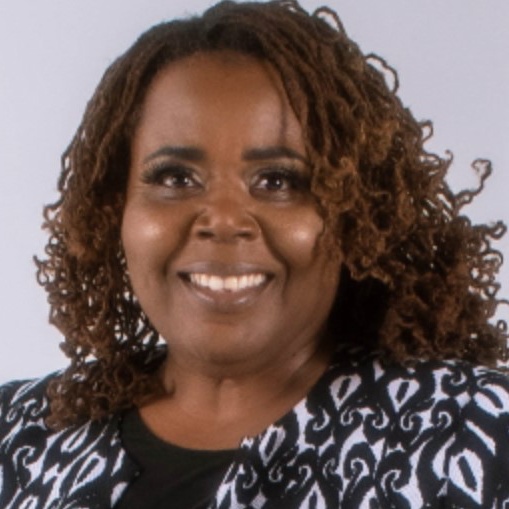
Executive Director | Healthy Black Families
Wilhelmenia “Mina” Wilson is Executive Director at Healthy Black Families, Inc., a Berkeley-based public-health non-profit that organizes individuals, families, and the institutions that serve them into collaborative communities empowered with skills to advance social equity and justice, with a focus on Black people, families and communities. Mina’s ancestry connects her to Somerset Place, a North Carolina plantation where five generations of her forebears were exploited as enslaved people, an ancestral connection that informs her work in the world.
Betsy Morris
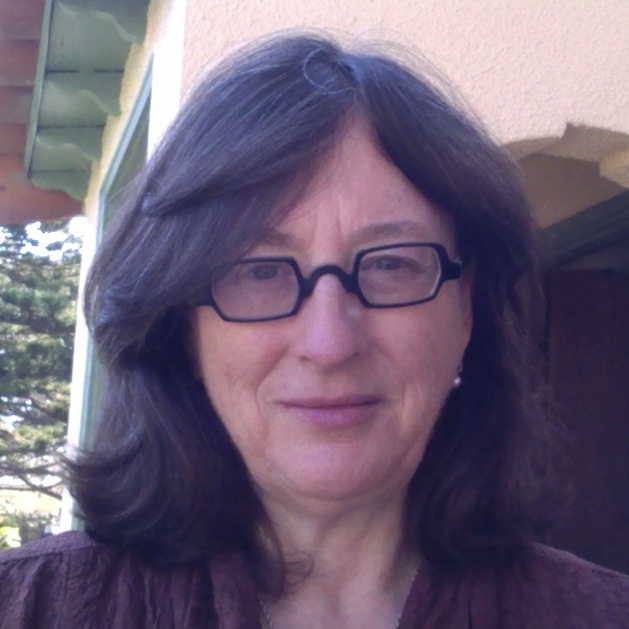
Co-Convenor | Gray Panthers Berkeley-East Bay
Betsy Morris, Ph.D., a co-convenor of Gray Panthers Berkeley-East Bay, a multi-generational membership organization created in 1975 to educate the public on the needs of low-income seniors and disabled adults, with particular attention to health, worked with think tanks, foundations, and community development corporations in low-income neighborhoods before founding Planning for Sustainable Communities, and later, Cohousing California, with her husband. Betsy is also an Ambassador of the Global Ecovillage Network and for the UN's 17 Sustainable Development Goals.
David Sirota, an award-winning journalist, author, podcaster, founder of the invaluable investigative news outlet, The Lever, and a one-time speechwriter for Bernie Sanders, is one of the nation’s most penetrating analysts of the corruption of our political system. For anyone interested in social movements and momentum for change, it’s hard to think of a more urgently important systems-level conversation in this critical moment in our history. In this session, David will be interviewed by Rose Aguilar, renowned Bay Area journalist, host of KALW’s Your Call, the Bay Area’s premiere public affairs program, as he draws from his profoundly revelatory audio series and book, Master Plan, to elucidate the history of the corporate capture of our political system, where we stand today, and what we can do to begin to reclaim our democracy before it’s too late.
March 26th | 4:45 pm to 6:00 pm
Panelists
David Sirota
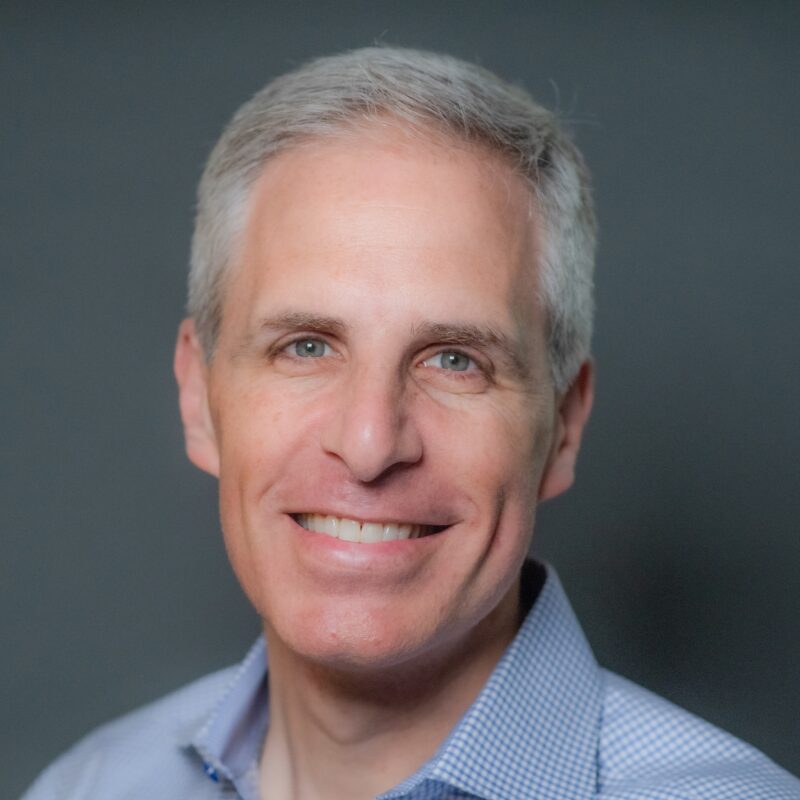
Founder and Editor | The Lever
David Sirota, an award-winning journalist and bestselling author of four books who served as Bernie Sanders’ presidential campaign speechwriter in 2020, is founder and Editor of The Lever, a reader-supported investigative news outlet, and host of the weekly podcast Lever Time and the audio series Master Plan, whose first season won the 2025 National Press Club and the Signal awards. He also created Audible’s financial crisis podcast series Meltdown, named one of the best podcasts of the year by The Atlantic. Sirota also co-won the Writers Guild of America’s 2022 award for best original screenplay (with Adam McKay).
Rose Aguilar
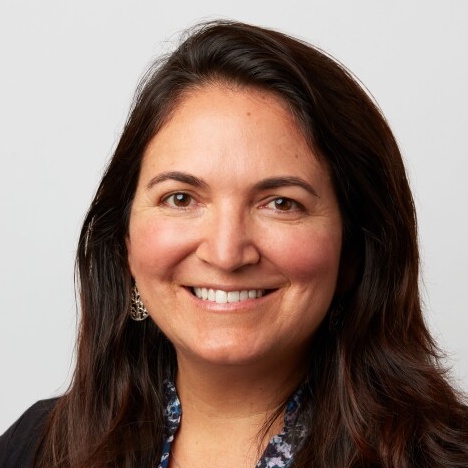
Host | KALW’s Your Call
Rose Aguilar, the longtime host of KALW’s Your Call, considered by many to be the Bay Area’s best public affairs program, has written for Al Jazeera English, The Guardian, Truthout, The Nation, and AlterNet. A member of the Native American Journalists Association and mentor-editor for The OpEd Project, an organization that works to increase the range of voices in the media, she is the author of Red Highways: A Journey into the Heartland. Before joining KALW, Rose published a newsletter about women's issues and was a technology reporter for CNET Radio. In college, she ran the TV and radio news departments and DJ'd a heavy metal show.
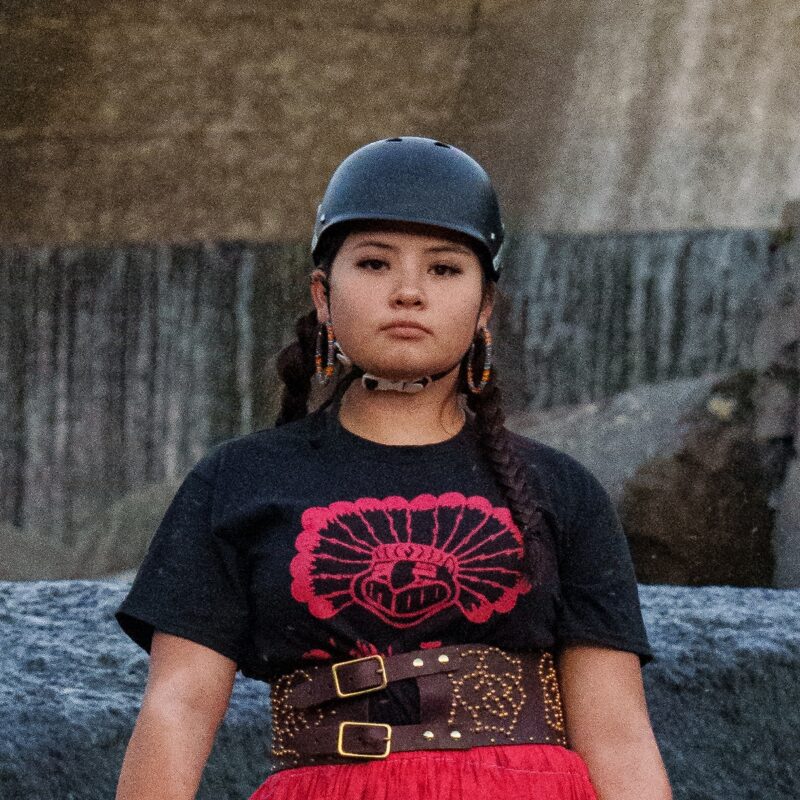
In 2025, following the largest dam removal project in U.S. history, an intertribal cohort of Indigenous youth became the first people in a century to descend a 310-mile stretch of the Klamath River. Their journey to the sea was a ceremony, a protest, and a living testament to the resilience of Indigenous peoples and the ongoing decolonization of the watershed. This panel brings together some of these youth paddlers who will share the story of this historic “First Return” descent. Witnessing salmon return to their ancestral waters for the first time in over 100 years ignited profound hope and serves as an inspiring example of how significant environmental victories can transform the lives, identities, and opportunities of young people who experience them firsthand.
The conversation will also highlight the ongoing work that still needs to be addressed. While four dams on the Klamath River have been removed, two major dams in the upper basin still degrade water quality and threaten the survival of the nearly extinct C’waam (Lost River sucker) and Koptu (shortnose sucker) species, as well as the long-term viability of the recently returned salmon (C’iyaal’s). Hosted by Juliette Jackson, JD, author of Stop Killing the Klamath. With: The Klamath Youth Council: Coley Miller, Melia McNair and Taeliah Eggsman.
March 26th | 4:45 pm to 6:00 pm | Berkeley Ballroom, Residence Inn
Panelists
Juliette Jackson
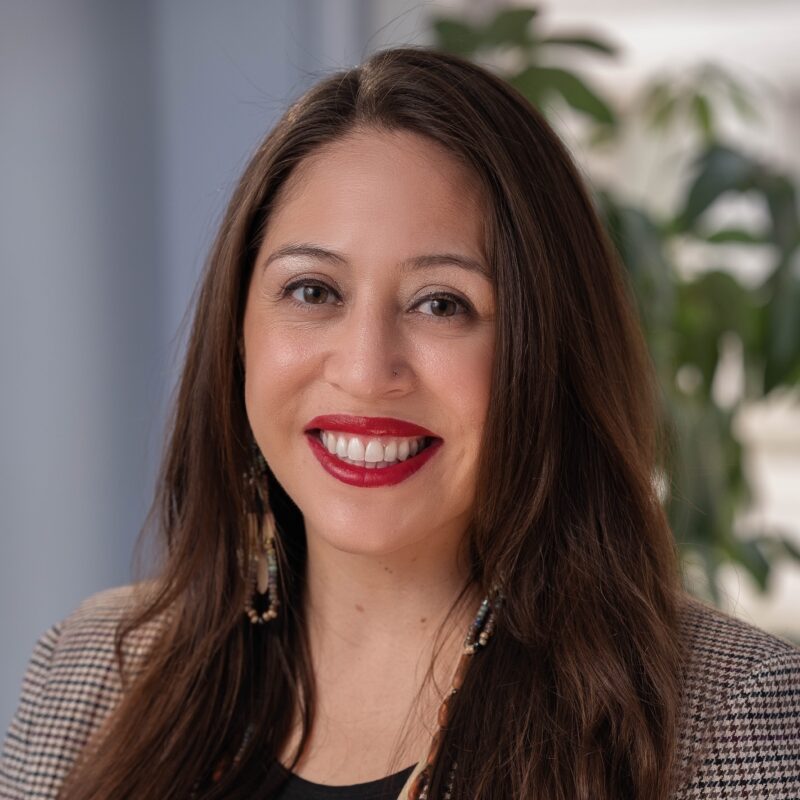
Indigenous Rights Advocate
Juliette A. Jackson, J.D, LL.M, an enrolled member of The Klamath Tribes, is an Indigenous rights advocate specialized in energy and environmental law who works at Henkels Law, LLC in Portland, Oregon and also serves as Executive Director of Maqlaqs Gaa’tkni, a native-led nonprofit based in Chiloquin, Oregon. Jackson is also part of the Protecting Mother Earth (PME) Collective, a joint partnership between the Indigenous Environmental Network and Earth Law Center. Her law review article Stop Killing the Klamath: Rights of Nature Protections with Tribal Law, the National Historic Preservation Act, and Collaborative Management Strategies for a Tribe on the Front Lines of Climate Change, has attracted substantial attention in the field of tribal environmental justice.
Coley Kakols Miller
First Descent Youth Paddler
Coley Kakols Miller, a citizen of the Klamath Tribes, is a Modoc and Klamath youth born and raised at the headwaters of the Klamath River watershed. A high school freshman living on her tribal territory in Southern Oregon and Northern California, Coley was among more than 30 young people who participated in the historic first descent of the Klamath River after the largest dam removal in history. She remains a passionate advocate for removing the last two dams on the Klamath River, working to ensure the Klamath Tribes’ treaty-protected resources are restored to provide for future generations.
Melia McNair

Youth Council Secretary | Klamath Tribes
Melia McNair, 15, of Klamath, Modoc, and Filipino ancestry, a sophomore in the Dual Language Immersion program at Rex Putnam High School in Milwaukie, OR, is currently the Klamath Tribes Youth Council Secretary and a passionate advocate for free-flowing rivers, environmental justice and human rights. An experienced paddler, she participated in the historic first kayaking descent of the almost undammed Klamath River in the summer of 2025. Melia also enjoys dancing and singing at powwows and has been practicing taekwondo since she was five years old and is currently an instructor.
Taeliah Eggsman
First Descent Youth Paddler
Taeliah Eggsman, 16, an enrolled Klamath and Modoc tribal member from Chiloquin, Oregon, who was exposed to kayaking with the Rios to Rivers organization as a child, was a participant in the historic, 310-mile “first descent” of the newly (almost) undammed Klamath River by young Indigenous kayakers from a number of tribes in the region.
In this session, two renowned legal scholars/activists/attorneys and thought-leaders on many cutting-edge zones of contention in the law take stock of the current assault on social progress, women’s freedoms, racial and environmental justice, human rights, and democracy. Are we headed into a plunge towards some sort of “Handmaid’s Tale” and “1984” mash-up dystopian future, or is this the desperate last gasp of the patriarchy? They will share their analyses of this exceedingly challenging historical moment and their strategies to most effectively resist the toxic impulses threatening the very survival of our body politic. We can outlast this dark period of regression and emerge stronger to continue the multi-generational struggles for a far more equitable, compassionate, and just society, one in which women finally achieve full equality, we all have access to healthcare, and a handful of billionaires don’t dominate the political system, but we will need to mobilize all our skill and work together. With: Radhika Rao, Professor of Law at UC College of the Law, San Francisco, a leading expert on constitutional law and the intersection of law and technology, particularly regarding property rights in the human body, cloning, assisted reproduction, abortion, stem-cell research, and genetic privacy; and Ji Seon Song, Assistant Professor of Law, UC Irvine School of Law, a groundbreaking expert on the intersection of policing and healthcare, the role of medical professionals in law enforcement, the deployment of police in healthcare settings, the criminalization of pregnancy, and juvenile justice reform. Moderated by Lisa Rudman, Director of Development and Partnerships at San Francisco Public Press.
March 26th | 4:45 pm to 6:00 pm | Crystal Ballroom, Hotel Shattuck Plaza
Panelists
Radhika Rao
Professor of Law and Harry & Lillian Hastings Research Chair | UC College of the Law
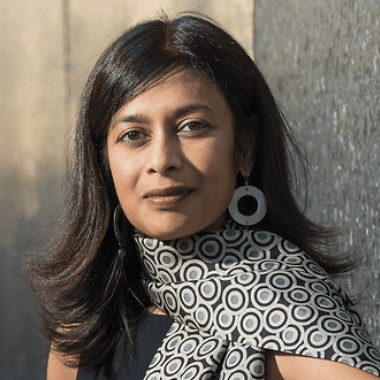
Radhika Rao, Professor of Law and Harry & Lillian Hastings Research Chair at UC Law San Francisco, clerked for Justices Harry Blackmun and Thurgood Marshall at the Supreme Court after graduating from Harvard Law School, and has gone on to become a widely published, major legal scholar and thought leader in a number of domains, including constitutional law, abortion, assisted reproduction, and property rights in the human body. She has been a Fulbright Distinguished Professor at the University of Trento in Italy and served on the California Advisory Committee on Human Cloning, and she currently serves on the California Human Stem Cell Research Advisory Committee.
Ji Seon Song
Assistant Professor of Law | UC Irvine School of Law
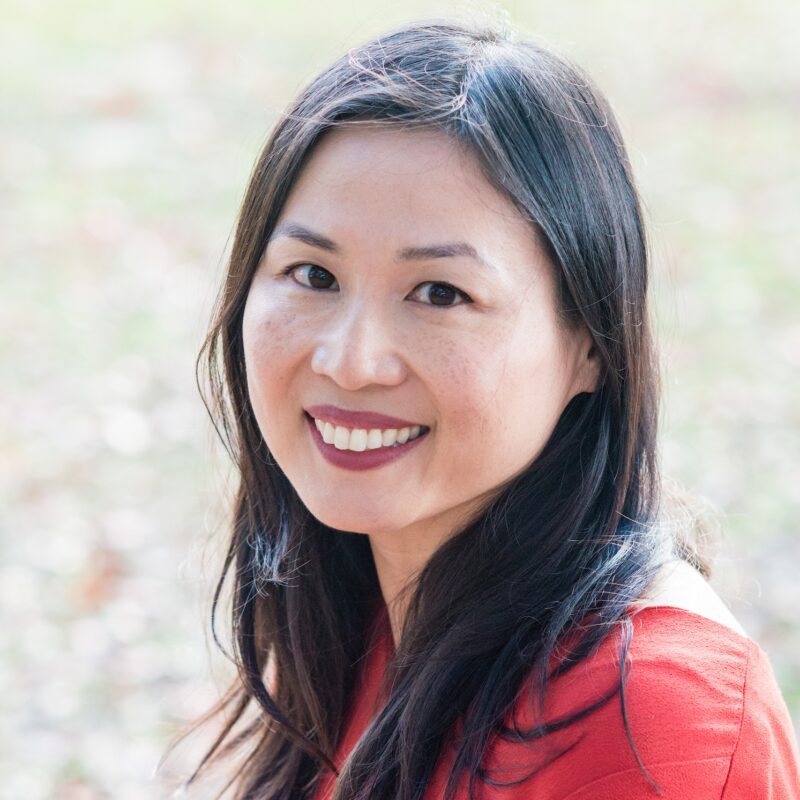
Ji Seon Song, J.D., LL.M., on the faculty at the UC Irvine School of Law, teaches and writes in areas of criminal and health law, and is a leading scholar on the deployment of policing authority and its effects on racial minorities and other marginalized groups. Her recent work has focused on policing in healthcare sites, the criminalization of pregnancy, and crisis response. Her scholarship draws on years of practice experience, including representing youth and adults as a public defender in California and serving as a Senior Policy Advocate for the National Juvenile Defender Center. Prof. Song works with regional and national networks of scholars and practitioners focused on policing and patient rights and regularly conducts trainings and consults for medical providers on the intersection of medical care and policing.
Lisa Rudman
Development and Partnership Director | San Francisco Public Press
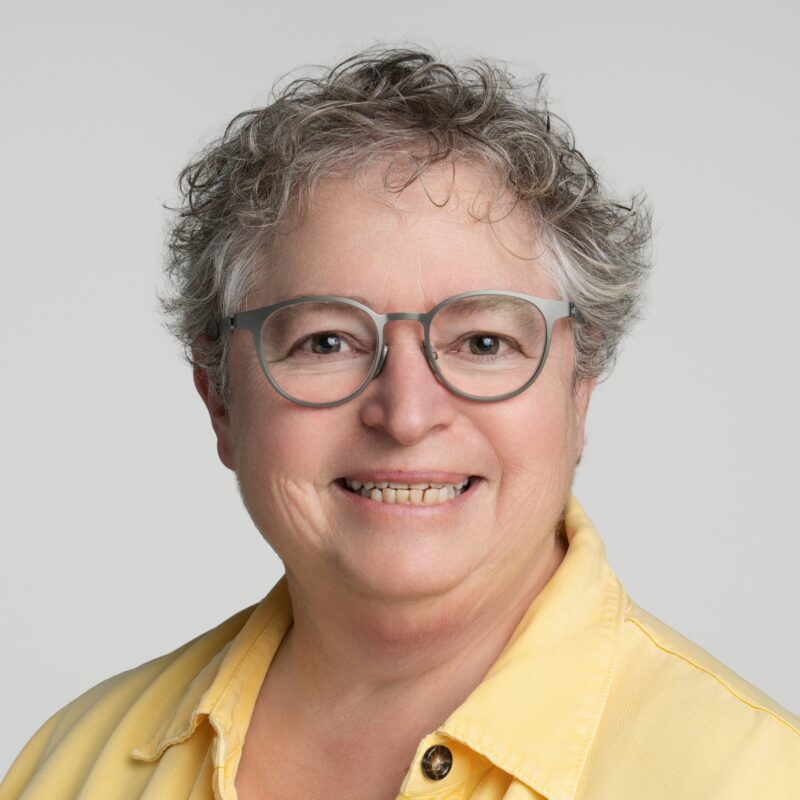
Lisa Rudman, Development and Partnership Director at the San Francisco Public Press, a local investigative newsroom, is a lesbian feminist journalist, media professional and environmentalist. She led Making Contact for 17 years, where she helped to build a national radio/podcast production and training hub, delivering documentary programs to public radio and community stations across the U.S. and Canada. Lisa has volunteered with many organizations including San Francisco Women Against Rape and Women Against Imperialism and is currently an advisor to San Francisco Baykeeper.
This powerful film follows the life and activism of Juma Xipaia, an extraordinary Indigenous leader from the Brazilian Amazon whose activism against illegal mining, land-grabbing, and corporate exploitation caused her to endure multiple assassination attempts but ultimately took her from her remote community in the rainforest to becoming Brazil’s first Secretary of Articulation and Promotion of Indigenous Rights.
Directed by Richard Ladkani, produced in association with Malaika Pictures and Leonardo DiCaprio.
March 26th | 6:40 pm to 8:40 pm | Goldman Theater, Brower Center
Introduced by
Leila Salazar-López
Executive Director | Amazon Watch
Leila Salazar-López has worked for 25+ years to defend the world’s rainforests, human rights and climate through grassroots organizing and international advocacy campaigns. She has been the Executive Director of Amazon Watch since 2015, leading that organization’s work to protect and defend the bio-cultural and climate integrity of the Amazon rainforest in solidarity with Indigenous and forest peoples.
Eric Terena
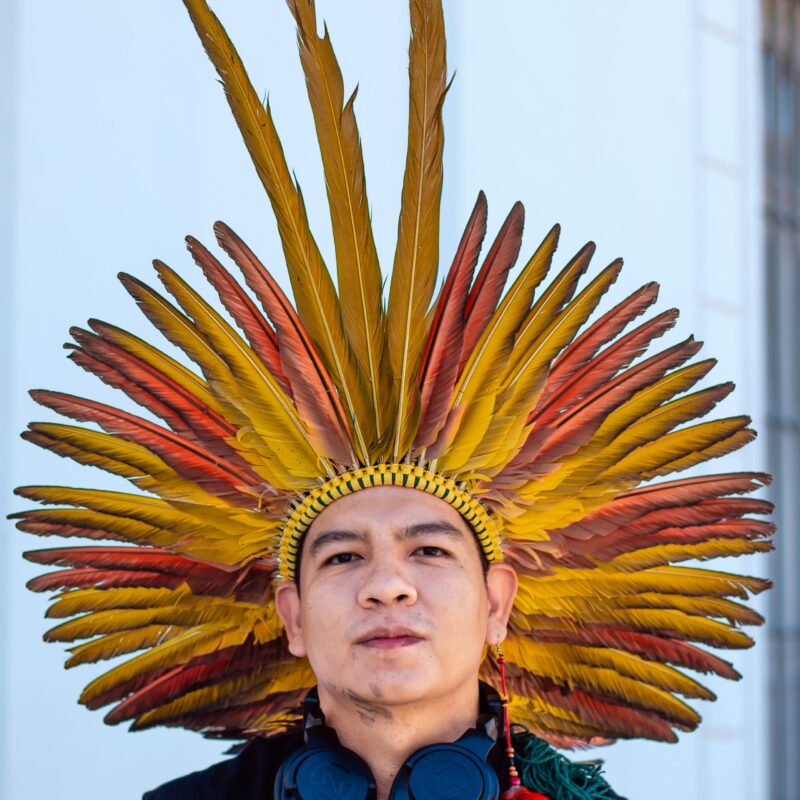
Indigenous Youth Climate Leader
Eric Terena, from the Cachoeirinha Indigenous Territory in the Pantanal of Brazil, is an Indigenous Youth Climate Leader; co-founder of Midia Indigena; film producer and sound designer; and an internationally recognized DJ, blending ancestral roots with modern electronic elements. He is the executive producer of the award-winning film Yanuni, screened at Bioneers.
Friday, March 27th
The right to food and the right to land are fundamental to human freedom, dignity, and self-determination, but locally and globally, land and food have been leveraged as tools of oppression. Fortunately, they can also be portals for liberation. Renowned groundbreaking Black Kreyol farmer and food justice activist, Leah Penniman, founder of Soul Fire Farm and author of Farming While Black, offers us living proof that when Land is reunited with her people, mutual thriving can flourish in the form of solutions to climate chaos and food apartheid. Even in this era of intense state repression, community self-determination and solidarity can be foundational to building a powerful movement for land and food sovereignty.
March 27th | 9:40 am to 10:01 am | Zellerbach Hall
Introduced by
bryant terry

Artist, Chef, Publisher and Author
bryant terry, MFA, an artist, chef, publisher, and author whose work has earned him many prestigious honors, including a James Beard Award, an NAACP Image Award, and an Art of Eating Prize, has authored five cookbooks, including Afro-Vegan and Vegetable Kingdom. terry also edited and curated the anthology Black Food and served as the editor of The Best American Food and Travel Writing 2025. He is currently a Fellow at Headlands Center for the Arts.
Leah Penniman
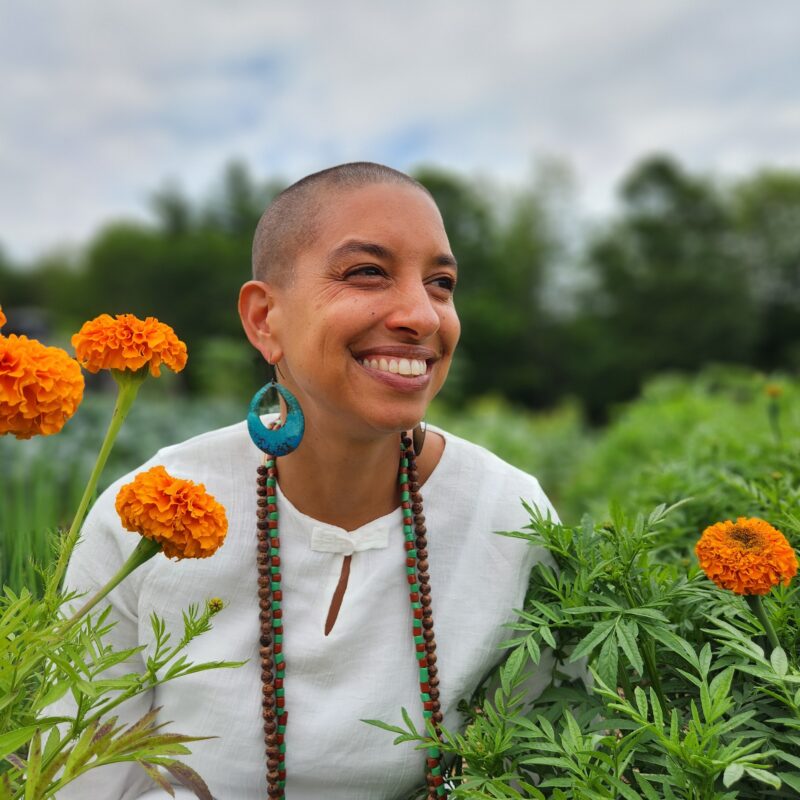
Farmer, Food Sovereignty Activist and Educator
Leah Penniman, a Black Kreyol farmer, author, mother, and food justice activist who has been tending the soil and organizing for an anti-racist food system for 25 years, currently serves as founding Co-Executive Director of Farm Operations at Soul Fire Farm in Grafton, New York, a Black & Brown-led project that works toward food and land justice. She is the author of: Farming While Black: Soul Fire Farm's Practical Guide to Liberation on the Land (2018) and Black Earth Wisdom: Soulful Conversations with Black Environmentalists (2023).
With federal incursions tearing through communities from coast to coast and huge new detention centers coming online, it is understandable that many of us could feel overwhelmed and powerless in the light of such frightening, massive shows of force, but, as we’ve seen, some communities are courageously rising up to defend their neighbors. According to the nationally-recognized community organizer, bestselling author, Director of the Shared Future initiative, and co-founder of the national network of immigrant youth, United We Dream, Cristina Jiménez Moreta, this is a tipping point moment, and we need to draw from examples of historic change that started in the margins of society before conquering the mainstream to inspire us to join together and build a new consensus in our nation that celebrates immigrants’ enormous contributions and supports their rights.
March 27th | 10:38 am to 11:00 am | Zellerbach Hall
Introduced by
Manuel Pastor
Director | Equity Research Institute at USC
Manuel Pastor, Ph.D., a Distinguished Professor of Sociology and American Studies & Ethnicity at the University of Southern California, currently directs the Equity Research Institute at USC. The inaugural holder of the Turpanjian Chair in Civil Society and Social Change at USC, Pastor’s research has generally focused on issues of the economic, environmental and social conditions facing low-income urban communities – and the social movements seeking to change those realities. He has won countless awards for his scholarship and advocacy and is the author or co-author of many books, including: Just Growth; Solidarity Economics; and, most recently (with Chris Benner), Charging Forward: Lithium Valley, Electric Vehicles, and a Just Future.
Cristina Jiménez Moreta
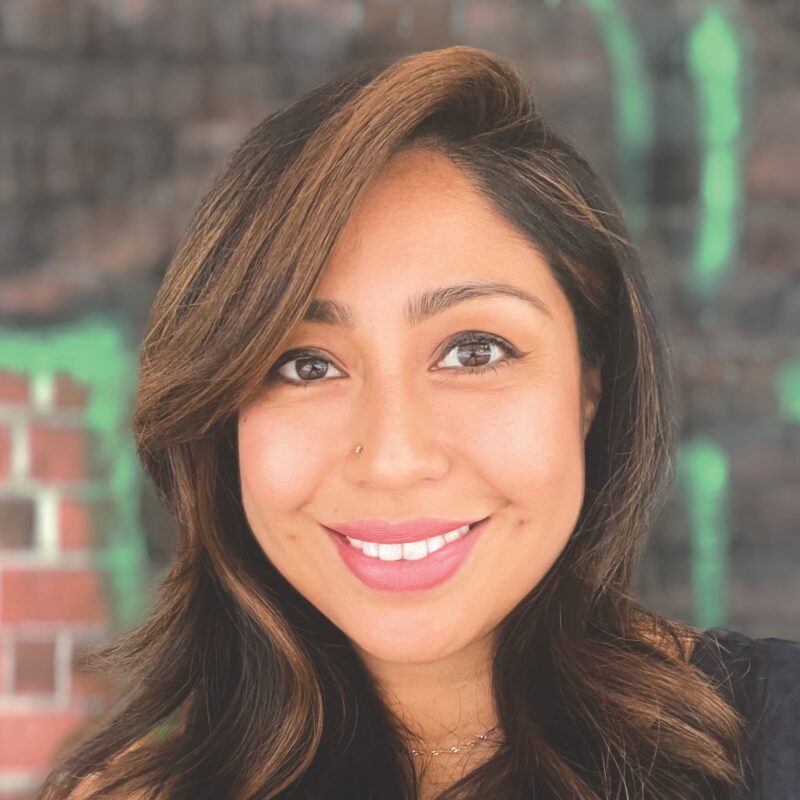
Co-Founder | United We Dream
Cristina Jiménez Moreta, who came to the U.S. from Ecuador in 1998 and grew up undocumented in Queens, New York, is an award-winning community organizer, bestselling author, and leading social justice activist. Co-founder and former Executive Director of United We Dream (UWD), the largest immigrant youth-led organization in the country, she has led multiple national and local campaigns for immigrant justice, including playing a leadership role in the campaign to win and implement the Deferred Action for Childhood Arrivals Program (DACA). A distinguished lecturer at the City University of New York, Jiménez was awarded a MacArthur Fellowship and named one of Time 100’s most influential people. She is the author of a bestselling debut memoir Dreaming of Home (2025).
We often tend to consider the impacts of one of the USA’s pervasively oppressive structural systems in isolation, when in fact each of them plays a part in exacerbating the concentration of resources, wealth and decision-making in this nation’s halting attempts at democracy. In this interview/emergent conversation hosted by the Development and Partnership Director at the San Francisco Public Press, Lisa Rudman, the scholar, author, mother, activist and thought-leader on issues of race and gender, Anna Malaika Tubbs, will discuss how systems of capitalism, patriarchy, white supremacy, and colonialism intersect and mutually reinforce each other, as well as explore the best strategies to move beyond these deeply embedded and destructive cultural influences.
March 27th | 3:00 pm to 4:00 pm | Goldman Theater, Brower Center
Panelists
Anna Malaika Tubbs
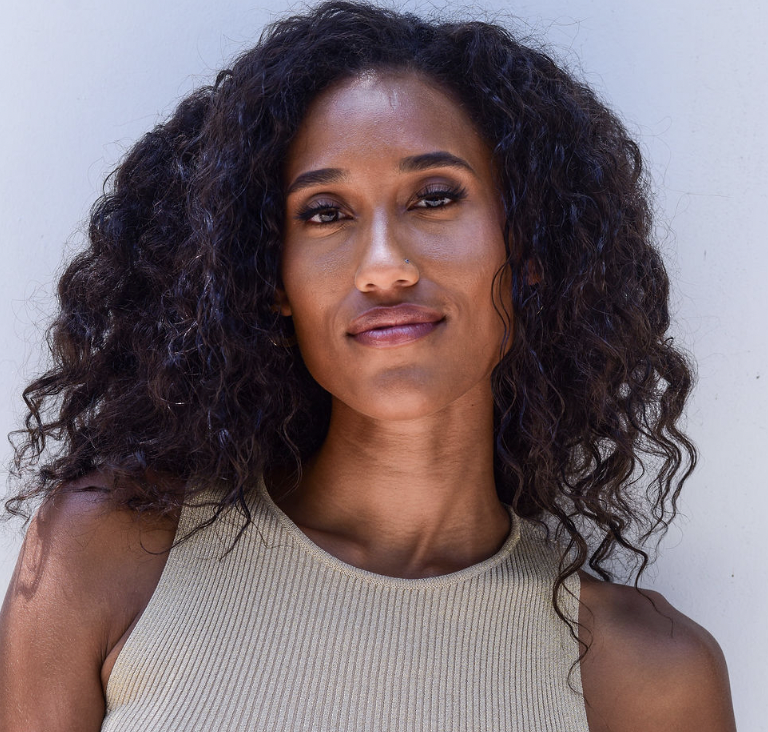
Author, Advocate, Consultant and Educator
Anna Malaika Tubbs, Ph.D., a bestselling author and leading multidisciplinary expert on race, gender, and equity, translates her academic knowledge into clear and engaging stories that have been widely published in major magazines and newspapers. She is the author of: The Three Mothers: How the Mothers of MLK Jr, Malcolm X, and James Baldwin Shaped a Nation (2021) and Erased: What American Patriarchy Has Hidden From Us (2025). Anna is also a frequent speaker whose TED Talk has been viewed some 2 million times.
Lisa Rudman
Development and Partnership Director | San Francisco Public Press
Lisa Rudman, Development and Partnership Director at the San Francisco Public Press, a local investigative newsroom, is a lesbian feminist journalist, media professional and environmentalist. She led Making Contact for 17 years, where she helped to build a national radio/podcast production and training hub, delivering documentary programs to public radio and community stations across the U.S. and Canada. Lisa has volunteered with many organizations including San Francisco Women Against Rape and Women Against Imperialism and is currently an advisor to San Francisco Baykeeper.
3:00 pm: Fighting for the Human Right to Water in the U.S.
Co-hosted by the Pacific Institute
The UN formally recognizes the human right to water and sanitation, but in the U.S. today more than two million people still live without running water or safe plumbing, and tens of millions more face chronic water quality violations, supply disruptions or unaffordable bills. These challenges cut across the country from poor urban neighborhoods and rural communities to tribal nations, and they fall hardest on people of color, low-income households, and other marginalized groups. And climate change is magnifying these inequities, but even amidst these challenges, communities and leaders across the country are advancing practical solutions and building grassroots power to protect and expand the right to water. This panel brings together water justice activists from across the country who will share on-the-ground stories, policy insights, and emerging models for change and explore what it will take to finally realize the human right to water for all. Hosted by Heather Cooley, Chief Research and Program Officer, Pacific Institute. With: Dr. Khalid Osman, Assistant Professor, Stanford University; Monica Lewis-Patrick, President and CEO, We the People of Detroit; Jenny Rempel, postdoctoral scholar in the Department of Environmental Science, Policy, and Management at UC Berkeley.
March 27th | 3:00 pm to 4:15 pm | Golden Bear Room, Hotel Shattuck Plaza
Panelists
Heather Cooley
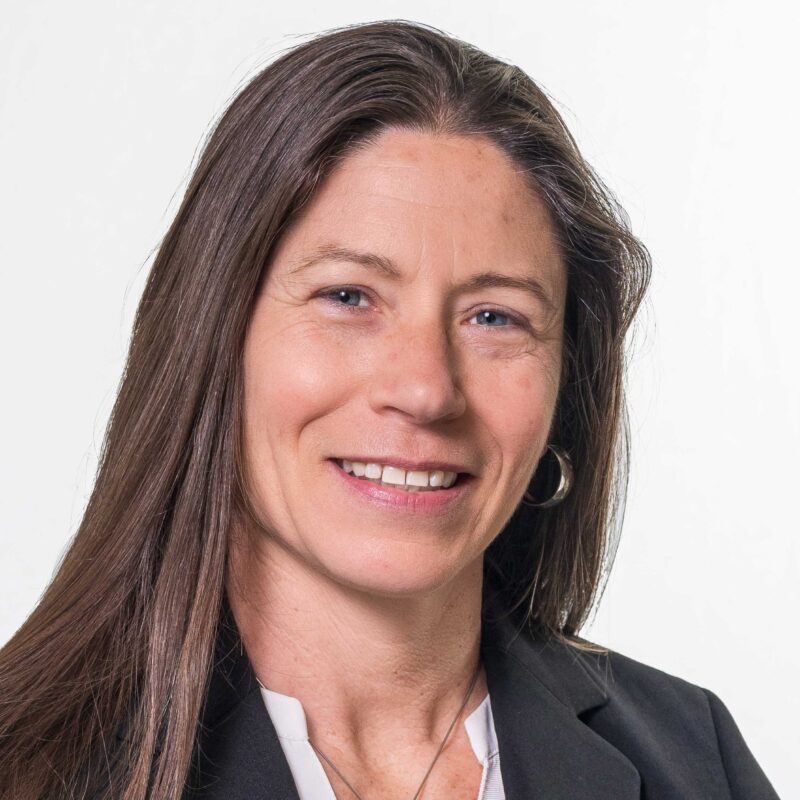
Chief Research and Program Officer | Pacific Institute
Heather Cooley, Chief Research and Program Officer at the Pacific Institute, a pioneering, Oakland-based non-profit organization dedicated to creating and advancing solutions to the world’s most pressing water challenges, has led its research and programs since 2004, focusing especially on sustainable water management, water resilience, and the water–energy nexus. Her work bridges science and policy to inform decision-making at local, state, and national levels. Heather, who holds multiple degrees from UC Berkeley, has served in leadership and advisory roles on a number of major state and national water policy bodies.
Monica Lewis-Patrick
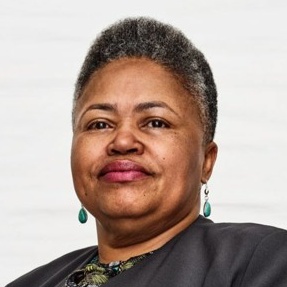
President and CEO | We the People of Detroit
Monica Lewis-Patrick, President/CEO of We the People of Detroit, is an educator, entrepreneur, scholar, and human rights activist especially renowned for her tireless activism for safe, affordable water. A member of: the National Water Affordability Table, All About Water/Freshwater Future Subcommittee, PolicyLink’s Water Equity and Climate Resilience Caucus (WECR), End Water Poverty, and the Governance Board for Healing Our Waters/Great Lakes Coalition (HOW), Lewis-Patrick also co-chairs the Water Committee on the Michigan Advisory Council on Environmental Justice.
Khalid Osman
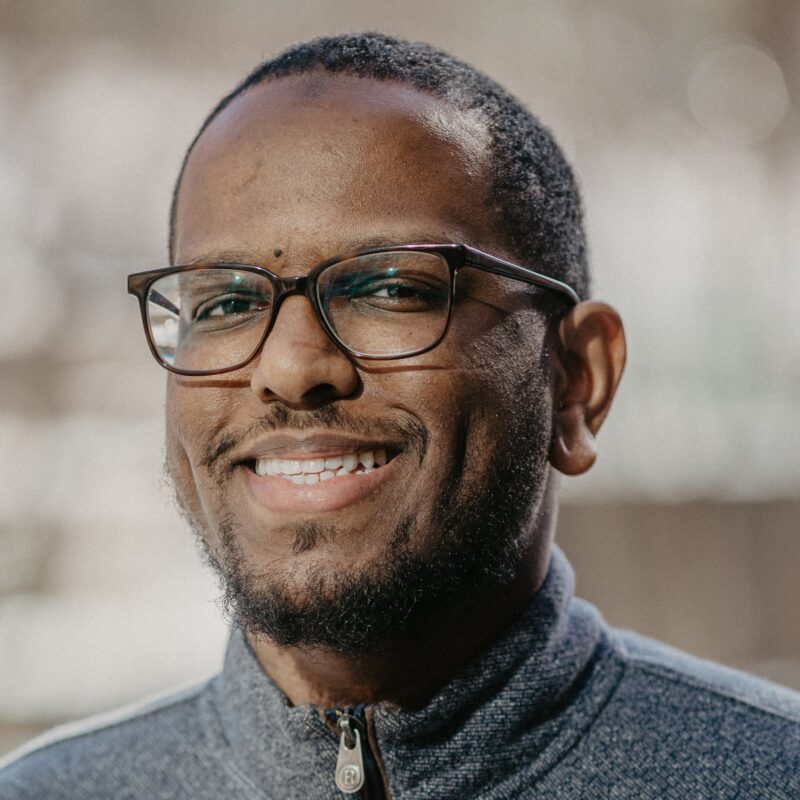
Assistant Professor | Stanford University
Khalid K. Osman, Ph.D., an Assistant Professor of Civil and Environmental Engineering at Stanford, also holds faculty affiliations at the King Center for Global Development and the Center for Comparative Studies in Race and Ethnicity. His research focuses on ensuring equity and justice in the provision of infrastructure services, currently focusing on the water sector, including frameworks for equity in the adoption of new water technologies and sanitation justice challenges in rural communities. Khalid has had many collaborations with local community-based organizations and leads Osman Lab, which develops new approaches to equitable and just infrastructure in vulnerable, climate change-challenged communities.
Jenny Rempel
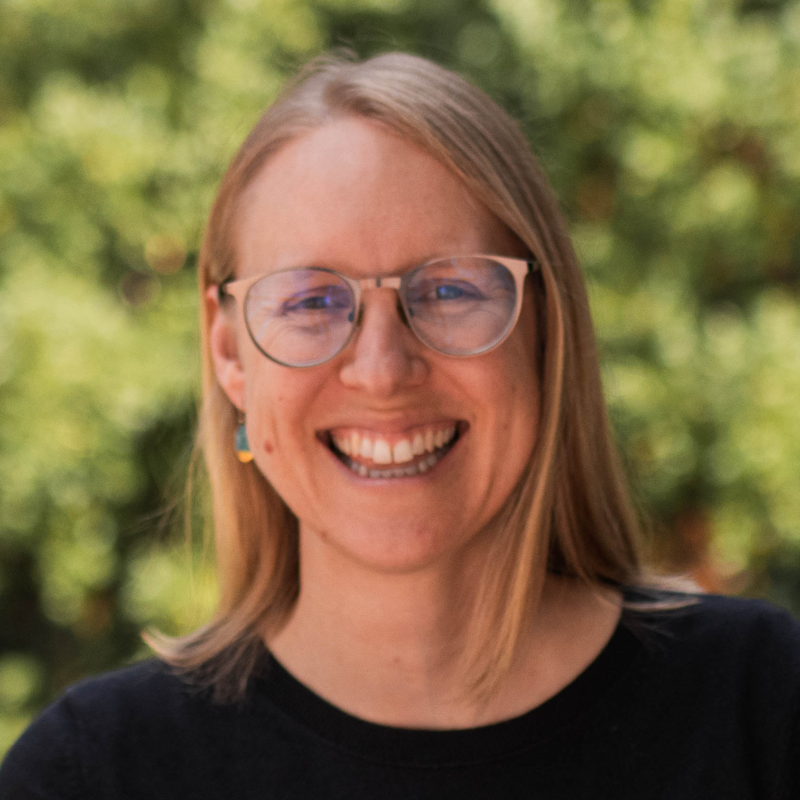
Postdoctoral Scholar | Department of Environmental Science, Policy, and Management at UC Berkeley
Jenny Rempel is a postdoctoral scholar in the Department of Environmental Science, Policy, and Management at UC Berkeley. She combines community-engaged and data-driven research approaches to understand the patterns and drivers of resource and exposure disparities. As a public scholar from California’s San Joaquin Valley, Jenny collaborates with community-based organizations, coalitions, and policymakers to generate knowledge that informs environmental policy and climate adaptation efforts. Jenny’s latest work examines implementation of California’s human right to water law from local to statewide scales.
The last year has brought an era of fear for immigrant communities as newcomers are being demonized, large-scale, heavy-handed enforcement has been unleashed, and our noblest traditions of welcome and inclusion are being discarded. And yet, despite the deliberate attempts to isolate and separate us, immigrants and non-immigrants alike have often been stepping up together to protect rights, build alliances, and fight for a better future for all of us. In this session, three leading activists: Cristina Jiménez Moreta, formerly of United We Dream; Guerline Jozef of the Haitian Bridge Alliance; and Shaw San Liu of the Chinese Progressive Alliance join Manuel Pastor of USC’s Equity Research Institute in a conversation about what these moments of resistance and solidarity mean for the broader movements to protect our democracy.
March 27th | 3:00 pm to 4:15 pm | Freight & Salvage
Panelists
Cristina Jiménez Moreta
Co-Founder | United We Dream
Cristina Jiménez Moreta, who came to the U.S. from Ecuador in 1998 and grew up undocumented in Queens, New York, is an award-winning community organizer, bestselling author, and leading social justice activist. Co-founder and former Executive Director of United We Dream (UWD), the largest immigrant youth-led organization in the country, she has led multiple national and local campaigns for immigrant justice, including playing a leadership role in the campaign to win and implement the Deferred Action for Childhood Arrivals Program (DACA). A distinguished lecturer at the City University of New York, Jiménez was awarded a MacArthur Fellowship and named one of Time 100’s most influential people. She is the author of a bestselling debut memoir Dreaming of Home (2025).
Guerline Jozef
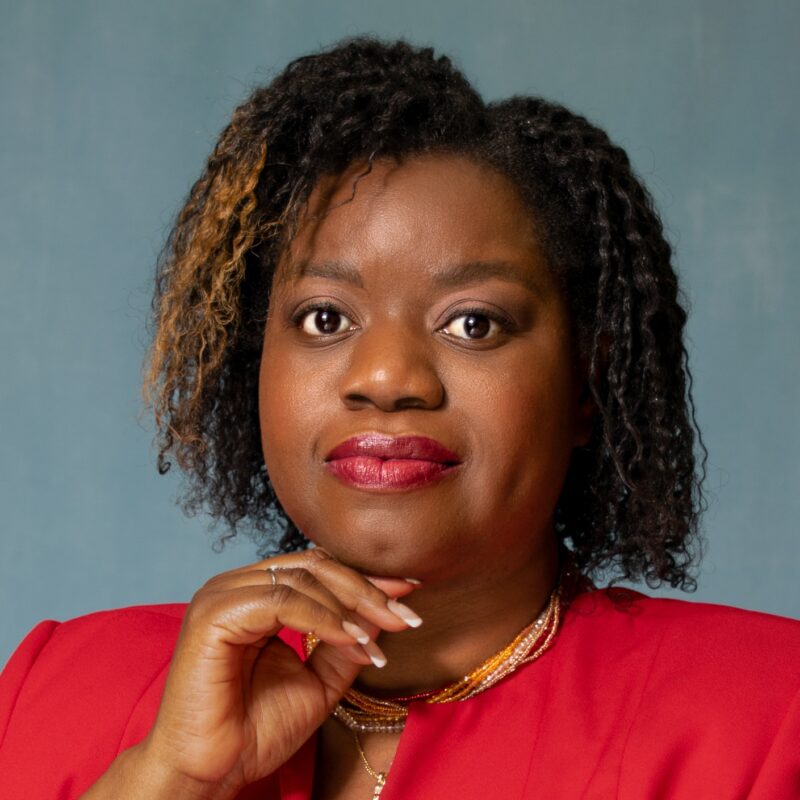
Founder and Executive Director | Haitian Bridge Alliance (HBA)
Guerline M. Jozef, a globally recognized, award-winning human rights advocate, strategist, and thought leader, is the founder and Executive Director of Haitian Bridge Alliance (HBA), the only Black-led, women-led, Haitian-American-led organization serving migrants at the U.S.–Mexico border, and co-founder of the Black Immigrants Bail Fund and the Cameroon Advocacy Network. Jozef, whose work has been featured in many leading publications and news outlets, has testified before the UN, the U.S. Congress, and the Inter-American Commission on Human Rights.
Manuel Pastor
Director | Equity Research Institute at USC
Manuel Pastor, Ph.D., a Distinguished Professor of Sociology and American Studies & Ethnicity at the University of Southern California, currently directs the Equity Research Institute at USC. The inaugural holder of the Turpanjian Chair in Civil Society and Social Change at USC, Pastor’s research has generally focused on issues of the economic, environmental and social conditions facing low-income urban communities – and the social movements seeking to change those realities. He has won countless awards for his scholarship and advocacy and is the author or co-author of many books, including: Just Growth; Solidarity Economics; and, most recently (with Chris Benner), Charging Forward: Lithium Valley, Electric Vehicles, and a Just Future.
Shaw San Liu
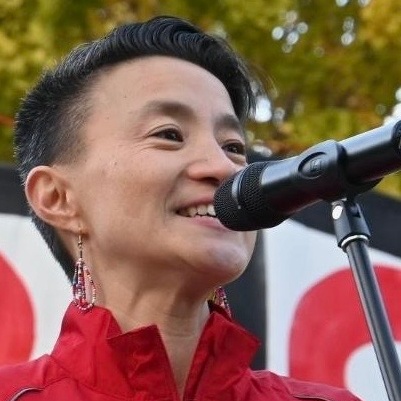
Senior Advisor | Chinese Progressive Association
Shaw San Liu, Senior Advisor of the Chinese Progressive Association (CPA), is an organizer and movement leader with 20+ years’ experience in labor and community organizing in the Bay Area and California. Previously serving as CPA’s Organizing Director, Shaw San has led campaigns to organize immigrant workers to fight wage theft and win workplace rights, raise and enforce labor standards including San Francisco’s $15 minimum wage, and to grow the democratic participation and power of immigrant working families. She has also helped co-found several multiracial and cross-sectoral partnerships across community, labor, and government, with the goal of building a thriving and inclusive economic future.
Human activities, primarily overfishing, pollution, and climate change are causing unprecedented damage to marine ecosystems, leading to massive biodiversity loss and the destruction of habitats, problems that cannot be solved by Western science and policy alone. Indigenous knowledge rooted in generations of observation and relationship with marine species is critical to the defense and regeneration of the oceans that we all depend upon. In this panel, we will hear from three Indigenous leaders fighting to protect keystone marine species from the foundation to the apex of the food web. Topics include the cultural and spiritual foundations of Indigenous-led movements, ways that Indigenous and Western sciences are being applied in tandem, and the creation of ocean policies rooted in Indigenous principles. Attendees will come away equipped with ways they can support these efforts as well as renewed inspiration to restore and repair Mother Earth. Moderated by Alexis Bunten (Yupu’ik/Unangan), Co-Director of the Bioneers Indigeneity Program. With: Shane Weeks (Shinnecock), co-founder and Director of Education and Research at the Metoac Indigenous Collective; Raynell Morris (Lummi), Events and Gatherings Producer, Children of the Setting Sun; and Louise Brady (Tlingit), founder and director of the Herring Protectors.
March 27th | 4:45 pm to 6:00 pm | Berkeley Ballroom, Residence Inn
Panelists
Louise Brady
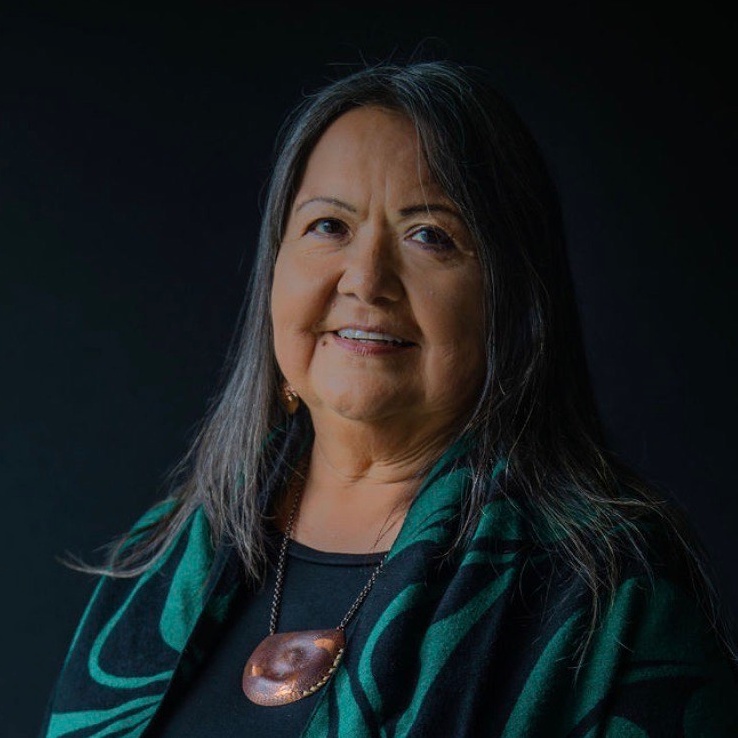
Founder and Director | Herring Protectors
Louise Brady (Kh’asheech Tláa), a citizen of the Sitka Tribe of Alaska, previously served as the tribe’s Director of Social Services and Tribal Court Administrator. She is the founder and Director of the Herring Protectors, a grassroots movement led by Indigenous women that uses the original teachings of the Kiks.ádi women’s ceremony and collective organizing to stand up to legacies of colonization and genocide that have led to the devastation of the yaaw (herring). She also serves on the Advisory Board of Native Movement; has co-produced and directed two award-winning films; and was the recipient of a 2022 – 2023 NDN Changemaker Fellowship.
Shane Weeks
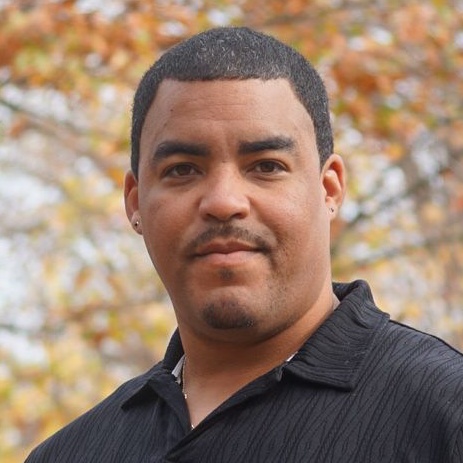
Co-Founder and Director of Research and Education | Metoac Indigenous Collective
Shane Weeks, a proud member of the Shinnecock Nation, located in Southampton, New York, represents his people in a number of capacities, as an author, traditional singer and dancer, cultural consultant, artist, and member of several local boards and committees. The owner of Ohke Creations, a candle and jewelry business, he is also co-founder and Director of Research and Education at the Metoac Indigenous Collective, an intertribal organization focused on cultural preservation, and was a recipient of a Presidential Lifetime Achievement Award in 2023. As an artist, Shane works in many different mediums and collaborates with Indigenous communities from around the world.
Raynell Morris
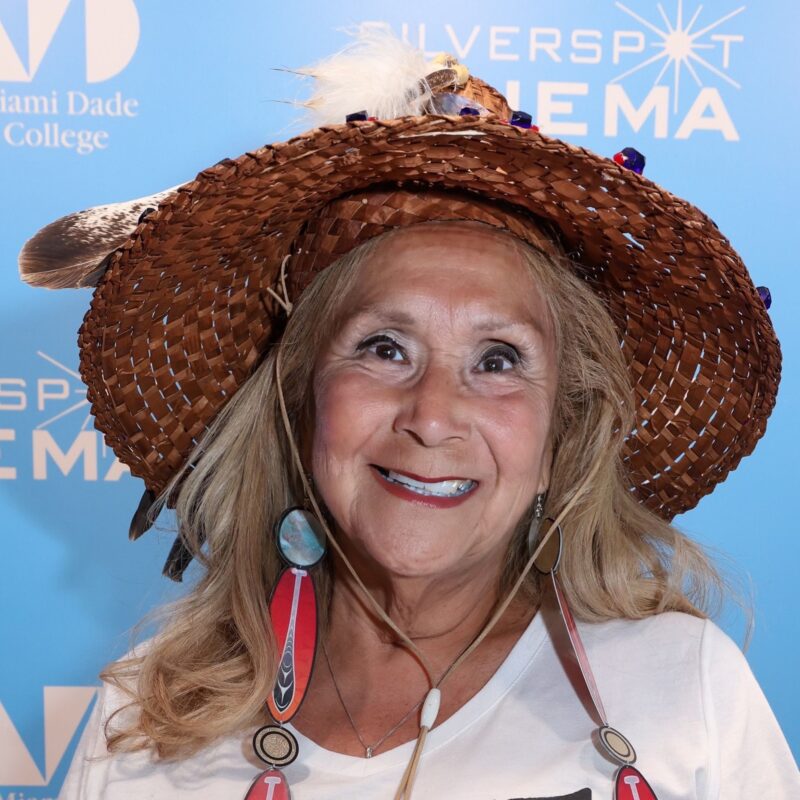
Events and Gatherings Producer | Children of the Setting Sun Productions
Raynell Morris, a Lhaq’temish matriarch and enrolled Lummi tribal member, is the Events and Gatherings Producer at Children of the Setting Sun Productions and a board member of the Friends of Toki. A former Vice-President of the Sacred Lands Conservancy and Associate Director of Intergovernmental Affairs under President Clinton, Raynell was the first Native American staffer appointed to the White House. She also served as Chief of Staff for the Chairman of the Lummi Nation, and, as Director of Lummi Nation’s Sovereignty and Treaty Protection Office, she was a key strategist in the successful campaign to block a proposal to build North America’s largest coal port terminal on Lhaq’temish (Lummi) sacred ground.
Alexis Bunten
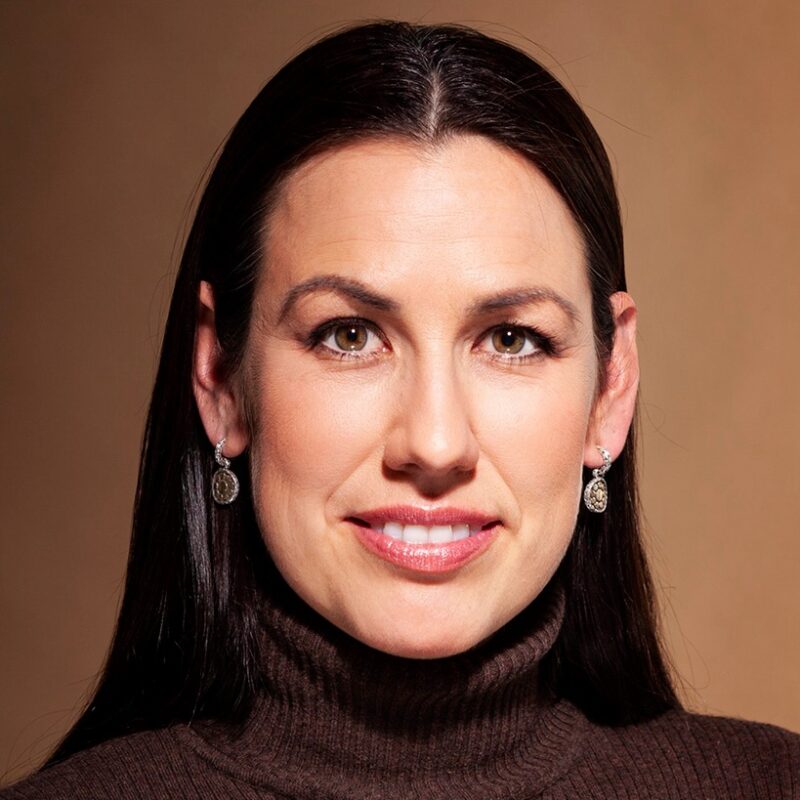
Co-Director, Indigeneity Program | Bioneers
Alexis Bunten, Ph.D., (Aleut/Yup’ik), Co-Director of Bioneers’ Indigeneity Program, has been a researcher, media-maker, manager, consultant, and curriculum developer for organizations including the Sealaska Heritage Institute, Alaska Native Heritage Center, and the FrameWorks Institute. She has published widely about Indigenous and environmental issues, and is the author of So, how long have you been Native?: Life as an Alaska Native Tour Guide.
4:45 pm: Resisting Enshittification: From Monopolies and Mediocrity to Reviving Democracy
Cory Doctorow and Zephyr Teachout in Conversation
The monopolistic dominance of the technosphere and media ecosystem by a handful of immense corporations has led to extraordinary erosions of privacy, dignity and sanity, and may threaten the very survival of those democratic institutions we still have. In light of these realities, what can we do to resist what Cory Doctorow has brilliantly tagged as the “Enshittification” of online reality and its nefarious impacts on the larger cultural and socio-political context? In this conversation, Cory, one of the world’s leading, long-time warriors for a truly functional internet that genuinely serves our needs, joins Zephyr Teachout, attorney, law professor, author, political leader, pioneering anti-monopoly and internet activist, and one of the nation’s leading experts on democracy and antitrust law, as they delve deeply into the best strategies we can employ to reclaim what should be our information and communication commons. Moderated by: Wendy Liu, author of Abolish Silicon Valley: How to Liberate Technology from Capitalism.
March 27th | 4:45 pm to 6:00 pm | Freight & Salvage
Panelists
Zephyr Teachout
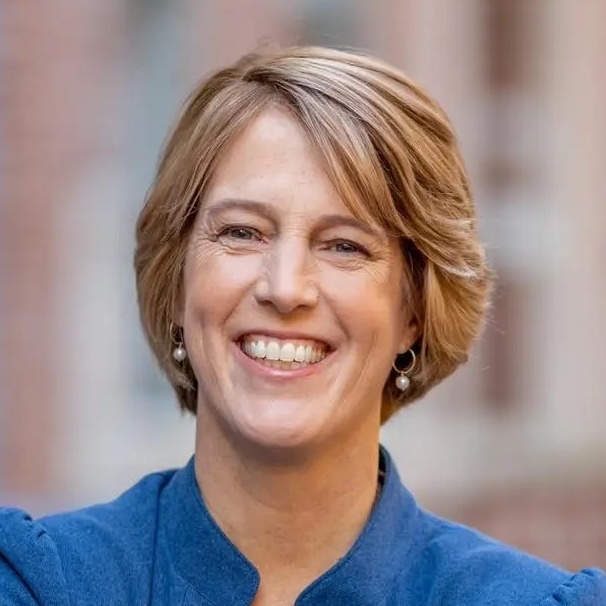
Professor of Law | Fordham Law School
Zephyr Teachout, Professor of Law at Fordham Law School, is a renowned and influential expert on the intersection of corporate and political power. She is the author of Corruption in America, which traces the history of what corruption has meant at different times in our history and, most recently of: Break 'em Up, which makes a case for reimagining the relationship between democracy and antimonopoly law. Zephyr also ran for Governor and Attorney General of New York State, getting the New York Times endorsement in the latter race, and is a leading figure in national antimonopoly and democracy defense movements.
Cory Doctorow
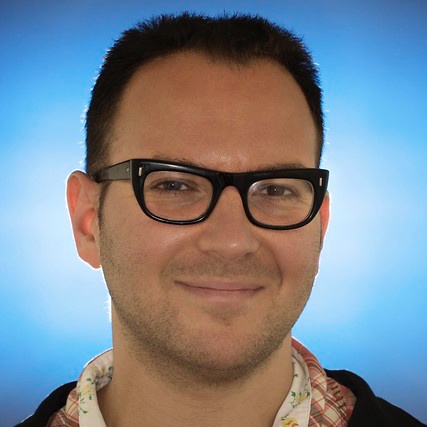
Technology Journalist and Science Fiction Author
Cory Doctorow, a renowned, award-winning science fiction author, activist, and journalist, is the author of dozens of books, most recently, Enshittification: Why Everything Suddenly Got Worse and What to Do About It, (nonfiction); and the novels Picks and Shovels and The Bezzle. His other notable books include the “solar-punk” novels Walkaway and The Lost Cause, and the tech policy books The Internet Con and Chokepoint Capitalism. Cory also: maintains a daily blog at Pluralistic.net; works for the Electronic Frontier Foundation; and is: an AD White Professor at Cornell University; an MIT Media Lab Research Affiliate; a Visiting Professor of Computer Science at Open University; a Visiting Professor of Practice at the University of North Carolina’s School of Library and Information Science; and a co-founder of the UK Open Rights Group.
Wendy Liu
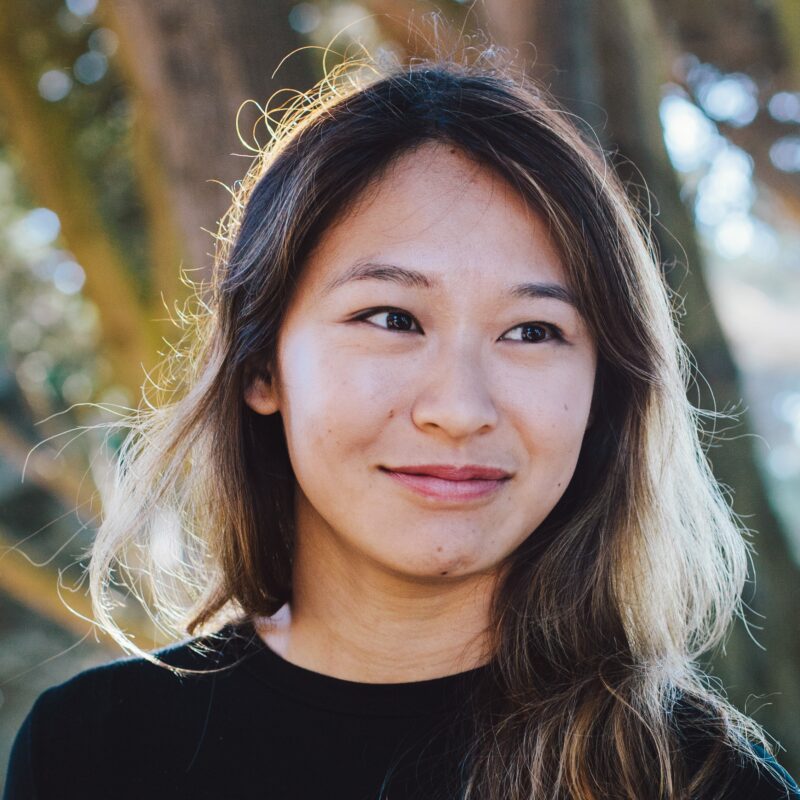
Freelance Writer
Wendy Liu, a freelance writer based in San Francisco, is the author of Abolish Silicon Valley: How to Liberate Technology from Capitalism, published in 2020 by Repeater Books. She writes a column about tech billboards for Bay Area Current.
4:45 pm: Restoring the Ecology of Health in the Anthropocene’s “Polycrisis”
Co-hosted by the Science and Environmental Health Network (SEHN)
The microbiologist and humanist René Dubos said that “each civilization creates its own diseases,” but it’s also true that every civilization can create the conditions for its own health. Today we are confronting a slew of public health threats including: the climate crisis, chemical and plastic manufacturing, food and economic insecurity, oil and gas extraction, and water shortages arising from fracking and data centers. This panel featuring three of the most renowned public health visionaries of our era will explore how we can empower communities with scientific knowledge, legal tools and organizing strategies, (including the precautionary principle) to stop the further toxification of our environment and restore our ecosystems to foster conditions conducive to health. With: Ted Schettler, MD, MPH, a physician and SEHN’s Science Director; and Sandra Steingraber, Ph.D., a biologist and SEHN’s Senior Scientist and bestselling author.
March 27th | 4:45 pm to 6:00 pm | Magnes Museum
Panelists
Ted Schettler
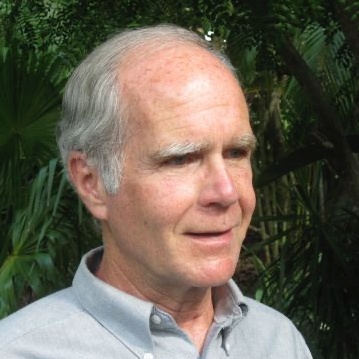
Science and Environmental Health Network | Science Director
Ted Schettler MD, MPH, the Science Director of the Science and Environmental Health Network, who has a medical degree from Case Western Reserve University and a master’s degree in public health from Harvard, is the author of: The Ecology of Breast Cancer and the co-author of several books, including: Generations at Risk: Reproductive Health and the Environment; In Harm's Way: Toxic Threats to Child Development, and: Environmental Threats to Health Aging. He has also published many articles in peer-reviewed journals and has served on advisory committees of the U.S. EPA and the National Academy of Sciences.
Sandra Steingraber
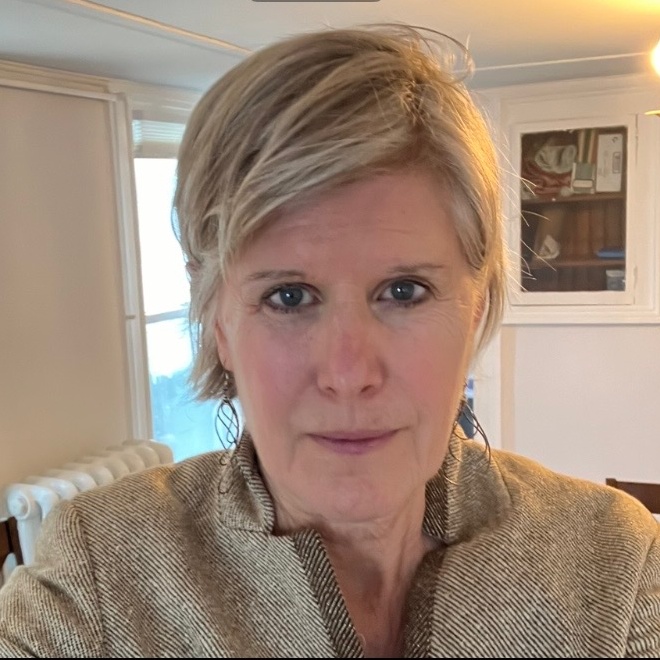
Senior Scientist | Science and Environmental Health Network
Sandra Steingraber, Ph.D., a biologist who researches climate change, ecology, and the links between human health and the environment, serves as a senior scientist and writer-in-residence at the Science and Environmental Health Network and is the author of three acclaimed books on public health, including Living Downstream, which became an award-winning documentary film. She has also been a renowned activist for several decades.
The current federal administration is seeking to dramatically roll back decades of progress on protecting and revitalizing our public lands and waters, threatening to sell and/or open to extractive industries and developers enormous swathes of our common heritage while eviscerating any regulation of pollution or toxicity. In this panel several key organizations working to push back, limit the damage and build movements to expand the commons not shrink it, and protect and regenerate biodiversity not hasten the extinction crisis, will share their analyses and strategies. With: Sharmeen Morrison, Senior Attorney in Earthjustice’s Biodiversity Defense Program; Katie Umekubo, Managing Director, Lands, Nature at NRDC. Hosted by Miyoko Sakashita, Oceans Program Director at the Center for Biological Diversity.
March 27th | 4:45 pm to 6:00 pm | Goldman Theater, Brower Center
Panelists
Sharmeen Morrison
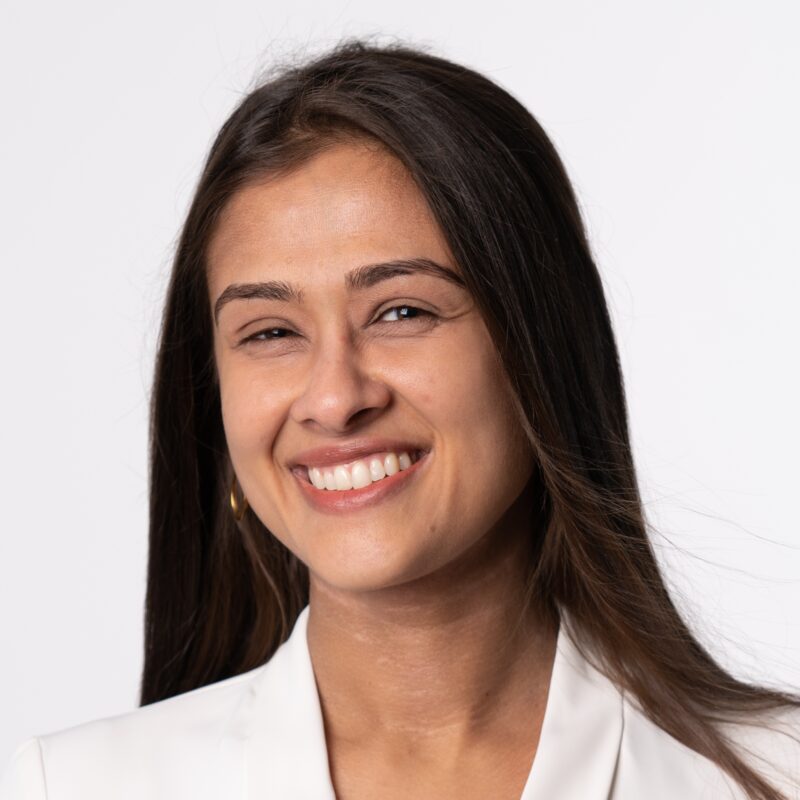
Senior Attorney | Earthjustice
Sharmeen Morrison, J.D., a Senior Attorney with Earthjustice’s Biodiversity Defense Program, which engages in national litigation to confront the major drivers of biodiversity loss, has litigated cases to protect greater sage-grouse from oil and gas drilling in Wyoming, manatees from nutrient pollution in Florida’s Indian River Lagoon, golden-cheeked warblers from urban sprawl in Texas Hill Country, and insect pollinators from pesticide overuse nationwide.
Katie Umekubo
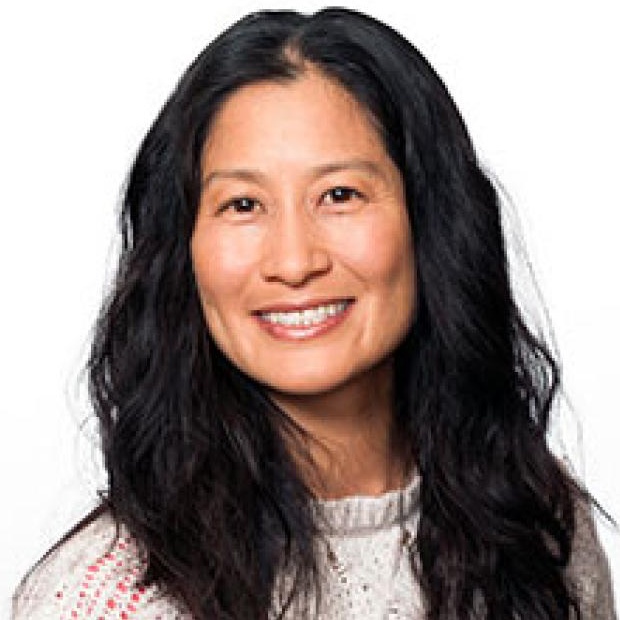
Managing Director, Lands, Nature | NRDC
Katie Umekubo, JD, Managing Director, Lands, Nature at the NRDC’s (National Resources Defense Council) San Francisco office, advocates for policies that encourage the environmentally responsible development of renewable energy on western public lands as well as sustainable land-use planning and wildlife preservation in Southern California. Her recent work has focused on avian protection policies and collaborative research efforts to address wildlife interactions at renewable energy projects. Prior to joining NRDC, she worked as a legislative specialist for the U.S. Fish and Wildlife Service, starting as a Presidential Management Fellow and detailing with the U.S. Senate Environment and Public Works Committee.
Miyoko Sakashita
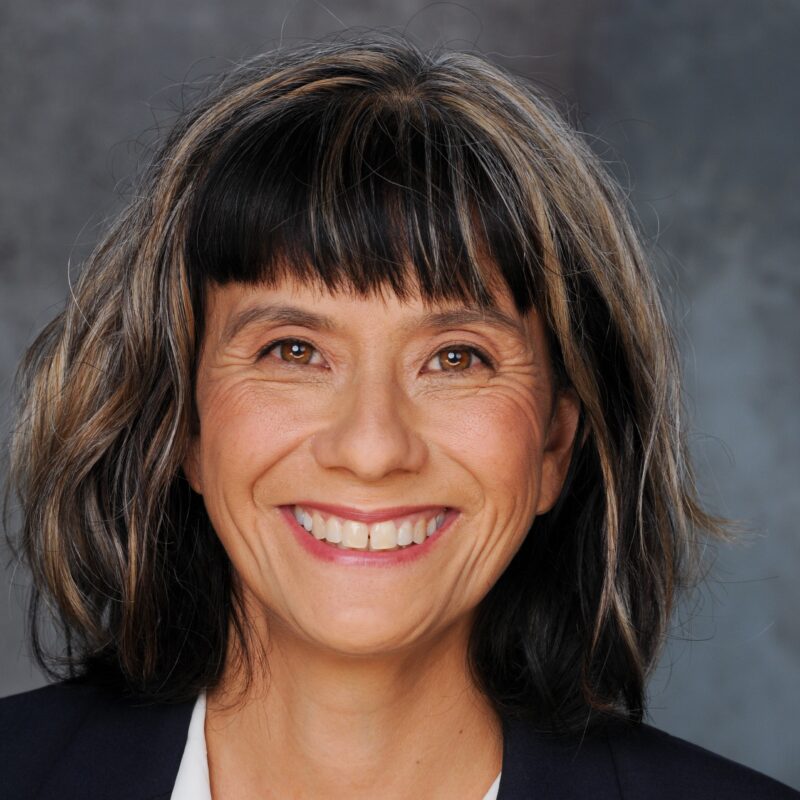
Oceans Program Director | Center for Biological Diversity
Miyoko Sakashita is the Oceans Program Director at the Center for Biological Diversity where she works to secure protections for imperiled marine life and ecosystems from threats ranging from global warming and ocean acidification to fisheries and pollution. Miyoko, who holds a law degree from UC Berkeley, also earned BS degrees in Conservation and Resource Studies.
This film, which features Leah Penniman, co-founder of Soul Fire Farm, one of the keynote speakers at this year’s Bioneers conference, examines the historical dispossession of Black farmers in the US and a rising generation reclaiming their rightful ownership to land and reconnecting with their ancestral roots.
Director: Mark Decena; producer: Liz Decena.
March 27th | 7:35 pm to 8:45 pm | Goldman Theater, Brower Center
Introduced by
Leah Penniman
Farmer, Food Sovereignty Activist and Educator
Leah Penniman, a Black Kreyol farmer, author, mother, and food justice activist who has been tending the soil and organizing for an anti-racist food system for 25 years, currently serves as founding Co-Executive Director of Farm Operations at Soul Fire Farm in Grafton, New York, a Black & Brown-led project that works toward food and land justice. She is the author of: Farming While Black: Soul Fire Farm's Practical Guide to Liberation on the Land (2018) and Black Earth Wisdom: Soulful Conversations with Black Environmentalists (2023).
This brand-new film produced by Greenpeace USA follows Jane Fonda on a road trip through Texas oil fields and Gulf Coast communities, meeting the incredibly diverse people who are fighting back against the oil and gas extraction and plastics production booms poisoning their communities.
Director: Katie Camosy
March 27th | 8:45 pm to 10:30 pm | Goldman Theater, Brower Center
Saturday, March 28th
As we today once again face the aggression of authoritarian oligarchy, there is a great deal we can learn from how food workers confronted fascism a century ago. Socialist and anarchist movements around the world gave birth to innovative solidarity strategies that permitted them to survive a fascist onslaught, care for their communities, and put food on the table in times of disease and war. Raj Patel, one of the world’s leading experts on sustainable food systems and a tireless advocate for food justice, will share what his research about these inspiring movements tells us about how we too can draw on the best human impulses to build economic systems built on solidarity and mutual aid.
March 28th | 10:00 am to 10:22 am | Zellerbach Hall
Introduced by
Anna Lappé
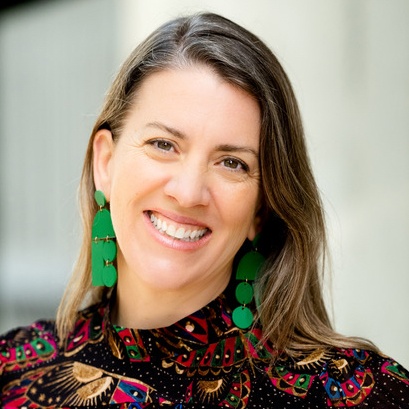
Executive Director | Global Alliance for the Future of Food
Anna Lappé, Executive Director of the Global Alliance for the Future of Food, a strategic alliance of philanthropic foundations working together and with partners globally for food system transformation, has, for 25+ years, been an advocate and funder for justice and sustainability across the food chain. The founder or co-founder of three U.S.-based organizations, including Real Food Media, a communications strategy nonprofit, and the Small Planet Fund, which supports food and farming advocacy movements worldwide, Anna is a national bestselling author who has contributed to more than a dozen books and is the author or co-author of three, including the critically acclaimed Diet for a Hot Planet.
Raj Patel
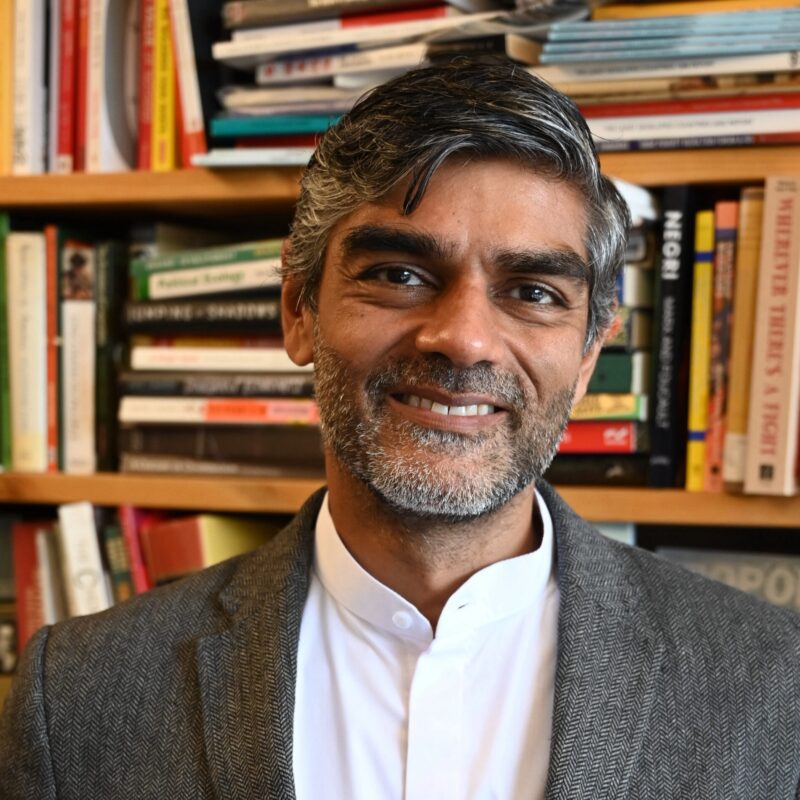
Activist, Journalist, and Filmmaker
Raj Patel, an award-winning author, film-maker and academic, is a Research Professor in the Lyndon B Johnson School of Public Affairs at the University of Texas, Austin who has worked for the World Bank and WTO but also protested against them around the world and testified about the causes of the global food crisis to the US, UK and EU governments. A member of the International Panel of Experts on Sustainable Food Systems and of the council of Progressive International, he has written extensively for a range of scholarly journals in economics, philosophy, politics and public health and also contributes frequently to a range of other publications, including The Guardian, Financial Times, New York Times, and Scientific American. He is the author of: Stuffed and Starved: The Hidden Battle for the World Food System and The Value of Nothing, and co-author of: A History of the World in Seven Cheap Things and (with Rupa Marya) of: Inflamed: Deep Medicine and The Anatomy of Injustice. His first film, co-directed with Zak Piper, is the award-winning documentary The Ants & The Grasshopper. He also co-hosted the food politics podcast The Secret Ingredient.
March 28th | 10:43 am to 10:53 am | Zellerbach Hall
The Destiny Arts Youth Performance Company

The Destiny Arts Youth Performance Company (DAYPC) is a diverse group of teens that collaborates with professional artists to create dynamic, original productions. Combining hip hop, modern and aerial dance, theater, song, and rap, company members take the stage to tell stories that stem from their lived experiences and express their visions for a world transformed. Since 1993, DAYPC has performed original work for up to 25,000 audience members annually, garnering critical acclaim and widespread community support for both their technical prowess and their commitment to advancing inclusivity, equity, and justice.
If we are to have a chance of reversing the destructive path our world is currently on and ushering in a genuinely nature-honoring era in which decisions will be made based on their effects seven generations in the future, we need to empower the extraordinary crop of young leaders, Indigenous and non-Indigenous, now emerging on the scene. Samantha Skenandore, of Ho-Chunk and Oneida ancestry, one of the nation’s leading practitioners of and experts in Federal Indian law and tribal law, will delve into the living legacies of her people’s guardianship of water, springs, trails, portals, and burial and sacred sites to illustrate the types of values we need to ground ourselves in, and describe some of her legal battles to highlight some of the types of struggles we must wage. But, above all, she will exhort us to do everything we can to support a new generation of change-makers that is combining the deep wisdom of ancestral TEK (Traditional Ecological Knowledge) with the best of contemporary science and technology to address our complex modern problems.
March 28th | 11:14 am to 11:36 am | Zellerbach Hall
Introduced by
Britt Gondolfi
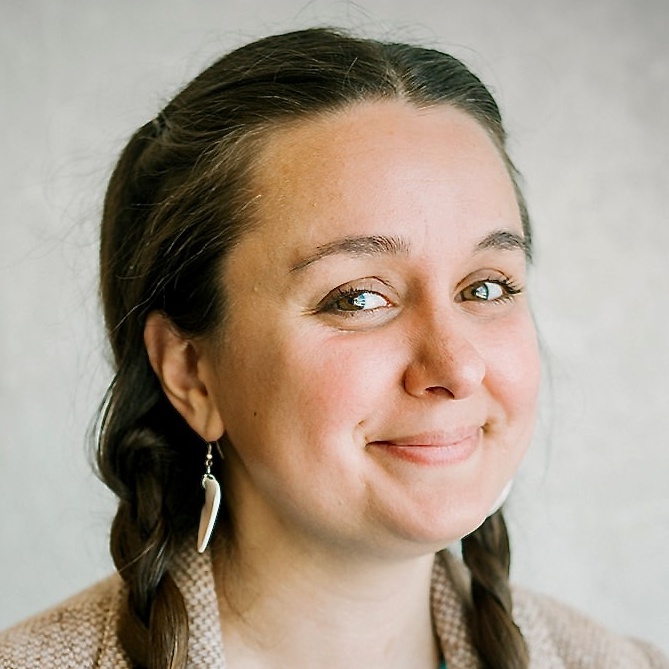
Indigeneity Special Programs Coordinator | Bioneers
Britt Gondolfi, JD (Houma Descendant), a community organizer and mother, has worked with the Bioneers Indigeneity Program since 2017 as a facilitator for the Intercultural Conversation Program. She joined the Bioneers Rights of Nature initiative as an intern while in law school and subsequently as a Special Projects Coordinator to bring together tribal organizers, youth, and allies to advocate for the “Rights of Nature” in Indian Country. Britt, who recently ran for State Senate in Louisiana on a women’s rights platform, is the author of the children’s book, “Look Up! Fontaine the Pigeon Starts a Revolution.”
Samantha Skenandore
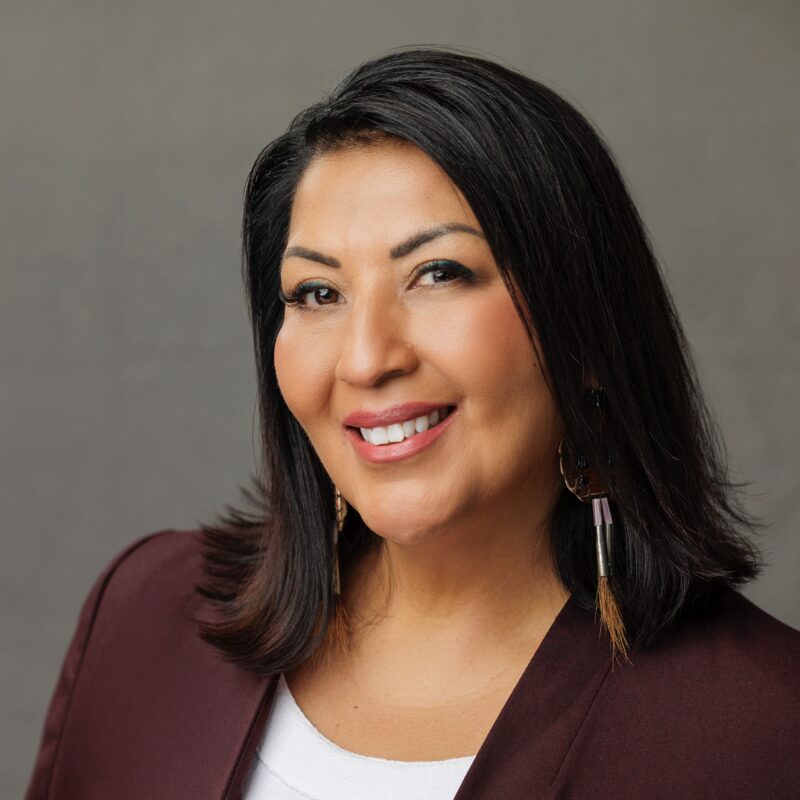
Leading Indigenous Rights Advocate and Attorney
Samantha Skenandore, a member of the Ho-Chunk Nation who previously served as a Tribal Attorney for the Ho-Chunk Nation’s Department of Justice and clerked for the United States Department of Justice, Indian Resources Section, is a founding partner of Skenandore Wilson LLP with 20+ years’ multi-jurisdictional legal experience working with tribal governments and enterprises to build governmental and economic infrastructures across Indian Country. She works in a wide range of legal domains, including: tribal and corporate governance, business transactions, economic development, real estate, cultural resources, water rights, labor issues, and representing clients before members of Congress, congressional committees and federal agencies. Samantha has also been integral to the Bioneers’ Indigeneity Program, helping develop a toolkit to help frame legal considerations for tribal nations to consider adoption of “Rights of Nature" laws.
Bioneers is delighted to be able to bring together two groundbreaking figures in the struggle for an equitable and healthy food system, one working on the global architecture of that system, the other a hands-on farmer and educator exemplifying how solidarity can empower dispossessed communities to reclaim their food sovereignty. Raj Patel is one of the world’s leading experts on sustainable food systems and a tireless activist against neocolonial, extractive agriculture; Leah Penniman is the visionary founder of Soul Fire Farm and author of Farming While Black. In this fascinating conversation, they will explore how, even in this reactionary period, we can build effective movements to regenerate our soils, ecosystems, ancestral cultures, and communities, and nourish our bodies and souls. Moderated by Naomi Starkman, founder and Executive Director of Civil Eats.
March 28th | 3:00 pm to 4:15 pm | Freight & Salvage
Panelists
Raj Patel
Activist, Journalist, and Filmmaker
Raj Patel, an award-winning author, film-maker and academic, is a Research Professor in the Lyndon B Johnson School of Public Affairs at the University of Texas, Austin who has worked for the World Bank and WTO but also protested against them around the world and testified about the causes of the global food crisis to the US, UK and EU governments. A member of the International Panel of Experts on Sustainable Food Systems and of the council of Progressive International, he has written extensively for a range of scholarly journals in economics, philosophy, politics and public health and also contributes frequently to a range of other publications, including The Guardian, Financial Times, New York Times, and Scientific American. He is the author of: Stuffed and Starved: The Hidden Battle for the World Food System and The Value of Nothing, and co-author of: A History of the World in Seven Cheap Things and (with Rupa Marya) of: Inflamed: Deep Medicine and The Anatomy of Injustice. His first film, co-directed with Zak Piper, is the award-winning documentary The Ants & The Grasshopper. He also co-hosted the food politics podcast The Secret Ingredient.
Leah Penniman
Farmer, Food Sovereignty Activist and Educator
Leah Penniman, a Black Kreyol farmer, author, mother, and food justice activist who has been tending the soil and organizing for an anti-racist food system for 25 years, currently serves as founding Co-Executive Director of Farm Operations at Soul Fire Farm in Grafton, New York, a Black & Brown-led project that works toward food and land justice. She is the author of: Farming While Black: Soul Fire Farm's Practical Guide to Liberation on the Land (2018) and Black Earth Wisdom: Soulful Conversations with Black Environmentalists (2023).
Naomi Starkman
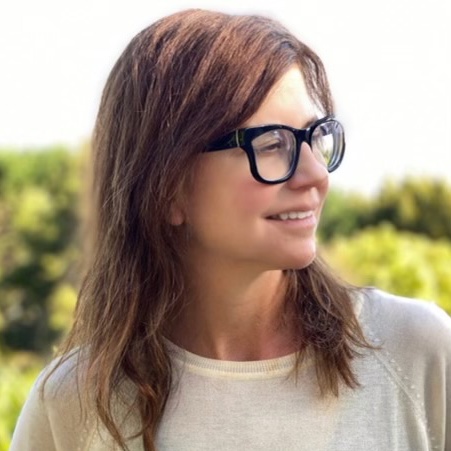
Founder and Executive Director | Civil Eats
Naomi Starkman, the founder and Executive Director of Civil Eats, the award-winning, nonprofit newsroom focused on the U.S. food system, was the site’s Editor-in-Chief until 2024. A John S. Knight Journalism Fellow at Stanford University. Naomi has worked at Newsweek, The New Yorker, Vanity Fair, GQ, WIRED, and Consumer Reports magazines. After graduating from law school, she served as the Deputy Executive Director of the City of San Francisco’s Ethics Commission.
When UN leaders failed to pass a meaningful global plastics treaty, young organizers from across Hawaiʻi and Louisiana’s Cancer Alley came together to confront plastic pollution from both ends of the pipeline, i.e.—where it’s produced, and where it washes ashore. In this skill-building interactive, participants in the Bioneers Native Youth Ambassador Program from communities severely harmed by the plastic cycle will share their proven strategies to modify personal behavior, advocate for sustainable plastic policies, build zero-waste systems, and advance efforts to phase out single-use plastics. This youth-led interactive is for anyone living on the frontlines of endemic pollution or climate catastrophe—and for anyone who wants to learn from and support them. With: Lael Kylin Judson from Rural Roots Louisiana and Kona Smith and Chazlyn Mukini from Recycle Hawai’i.
March 28th | 3:00 pm to 4:15 pm | Lotus Cafe, Dharma College
Panelists
Lael Kylin Judson
| Rural Roots Louisiana
Lael “Kylin” Judson, a junior honor student at The Dunham School in Baton Rouge, Louisiana, and a resident of Ascension Parish, has lost loved ones to pollution-related illnesses and works with Rural Roots Louisiana on Environmental Justice issues centered around Cancer Alley, a region disproportionately impacted by industrial toxicity. Kylin aspires to becoming an Environmental Lawyer dedicated to addressing systemic inequities and protecting vulnerable communities.
Kona Smith
Social Media Manager and Videographer | Recycle Hawai'i
Kona Smith, a young activist from Kaʻū, the southernmost and largest district of the island of Hawaiʻi (one of the six original districts of ancient Hawaii on the island, known as moku), is part of a youth group, Recycled Hawai'i, focused on achieving “zero waste” in their community and protecting and preserving its culture and historical memory. Kona is the social media manager and videographer of the group.
Chazlyn Mukini
Zero Waste Youth Advocate | Recycle Hawai`i/Ka`u Global Learning Lab
Chazlyn Mukini, a senior at Kau High and Pahala Elementary School (founded in 1881, the first high school established on the Big Island of Hawaii and the third public high school established in Hawaii), is a Zero Waste Youth Advocate and part of the marketing and public relations teams at Recycle Hawai`i/Ka`u Global Learning Lab.
3:00 pm: Water, Spirit, Power
Hosted by Taproot Earth
In this session Bioneers ally Taproot Earth, a global climate justice organization rooted in Louisiana, will bring together Indigenous women leaders from around the world to share their Earth-honoring perspectives and describe the extraordinary pilgrimage they undertook to gather waters from the Nile, Mississippi and Amazon rivers and return them to East Africa where the oldest human bones are found as a necessary spiritual component of their climate justice, Indigenous sovereignty and Black liberation struggles. Hosted by Colette Pichon Battle, Esq., Taproot Earth. With: Mama Iya Ada, Durham, NC community activist; Nádia Akawã, a leader of Brazil’s Tupinambá people; Phoenix Rose, New Orleans-based Ifa spiritual teacher and artist/performer.
March 28th | 3:00 pm to 4:15 pm | Magnes Museum
Panelists
Colette Pichon Battle
Co-Founder | Taproot Earth
Colette Pichon Battle, a generational native of Bayou Liberty, Louisiana, is an award-winning lawyer and prominent climate justice organizer. In the aftermath of Hurricane Katrina, when Black and Indigenous communities were largely left out of federal recovery systems, Colette led the Gulf Coast Center for Law and Policy (GCCLP) to provide relief and legal assistance to Gulf South communities of color. After 17 years at GCCLP’s helm, as frontline communities from the Gulf South to the Global South face ever more devastating storms, droughts, wildfires, heat, and land loss, she co-founded Taproot Earth to create connections and power across issues, movements, and geographies.
Phoenix Rose

Owner and Lead Artist | Phoenix Rose Artistry LLC
Phoenix Rose, a first-generation Jamaican-American New Orleans-based artist, beauty professional, and Ìyánifá (a priestess in the Yorùbá Ifá-Òrìṣà tradition), is the owner and lead artist of Phoenix Rose Artistry LLC. She has long worked as a makeup and hair artist in a wide range of settings including film and theater, and is also a dancer and singer/songwriter who performs under the name Huebian.
Mama Iya Ada
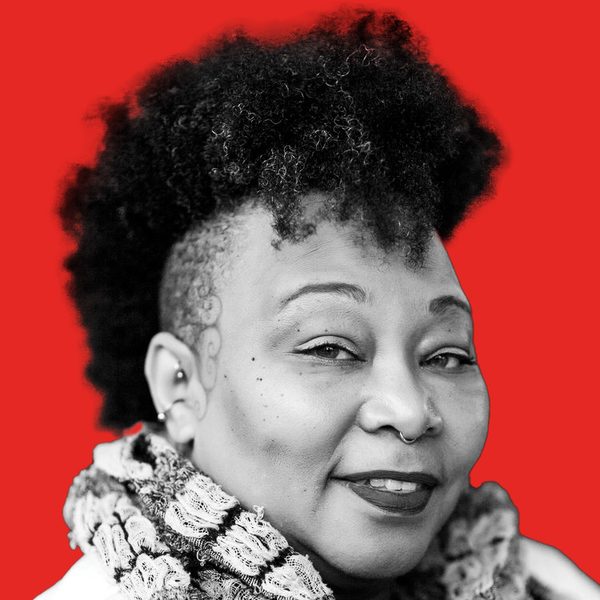
Elder Advisor | SpiritHouse
Mama Iya Ada (formerly known as Nia Wilson), with a background in pediatric and psychiatric nursing, has worked with teens and their families in drop-out, drug and pregnancy prevention in Durham, North Carolina, since 1998. She also served as Co-Director of SpiritHouse until recently as well as Senior Advisor for the Forward Justice Law Policy and Strategy Center since 2017.
Nádia Akawã

Healer, Educator and Grandmother
Nádia Akawã, an Indigenous leader of the Tupinambá people of Olivença in Southern Bahia, Brazil, in the Atlantic Forest biome, one of the world’s most biodiverse ecosystems, is a healer, educator, and grandmother who works with traditional herbal knowledge to care for her community and support women through natural gynecology practices. Nádia is also an advocate for the protection of Indigenous territories threatened by real estate development and mining, fighting for the relationship between land, healing traditions, and the survival of Indigenous communities.
In a current moment characterized by intertwined hostilities and manufactured borderlines, how can we lean into the wisdom of the nonbinary to aid us in building lasting solidarities that transcend identity politics? These times call for bold visions to dissolve the devastating effects of a politics of separation. In this heartful emergent conversation, we will center storytelling grounded in queer and trans lives, spiritual wisdom traditions, and Indigenous ecological knowledge. Hosted by Sonali Sangeeta Balajee, founder of SSOMA (Spiritual Social Medicinal Apothecary). With: Willow Defebaugh, Editor-in-Chief, Atmos; Carol Cano, founder and Executive Director of Braided Wisdom; and Kate Morales, multi-faceted cultural worker, founder of the Somatic Scribing Lab.
March 28th | 3:00 pm to 4:15 pm | Crystal Ballroom, Hotel Shattuck Plaza
Panelists
Sonali Sangeeta Balajee
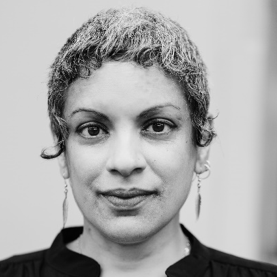
Founder | Spiritual Social Medicinal Apothecary (SSoMA)
Sonali Sangeeta Balajee, an artist, organizer, and mindfulness/yoga instructor, is the founder of: the Spiritual Social Medicinal Apothecary (SSoMA), a spiritual and political project; and Our Bodhi Project, which focuses on healthy movement-building through enlivening the connection between social and spiritual wellness. Sonali previously spent 13 years in U.S. local government, creating, leading, and managing social justice and racial equity initiatives and has had a long community organizing background focused on climate and racial justice, youth development, death-and-dying, and HIV/AIDS-related advocacy and service. She also currently serves on the boards of Bioneers and Worldtrust.
Willow Defebaugh
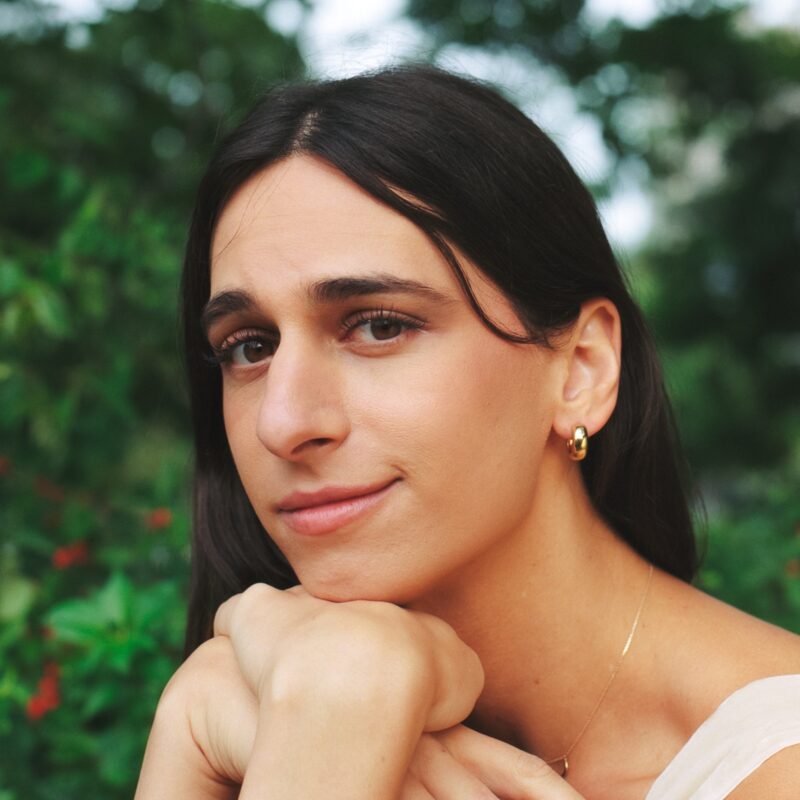
Co-Founder and Editor-in-Chief | Atmos
Willow Defebaugh, Brooklyn-based co-founder and Editor-in-Chief of Atmos Magazine, an award-winning climate and culture media platform that tells stories about the environment through a lens of creativity, is also the author of The Overview, a deep ecology newsletter and book. A lifelong student of nature who graduated with a degree in creative writing from the University of Michigan, her work has been widely published, including in: Vogue, Harper's Bazaar, Teen Vogue, V Magazine, Interview, i-D, BBC, The Guardian, them, and New York Magazine.
Kate Morales
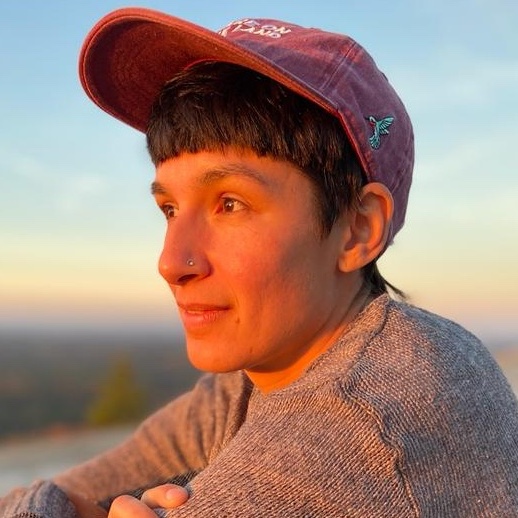
Founder | Somatic Scribing Lab
Kate Morales braids visual media, performance art, ritual, theater and play in the pursuit of collective eco-social healing. Founder (in 2022) of the Somatic Scribing Lab, a hub for politicized artists and facilitators, Kate also hosts and produces the Somatic Scribing Podcast; directs Playlab, an intergenerational embodied research ensemble; and is a writer and convener of transnational conversations about queer pedagogy.
Carol Cano
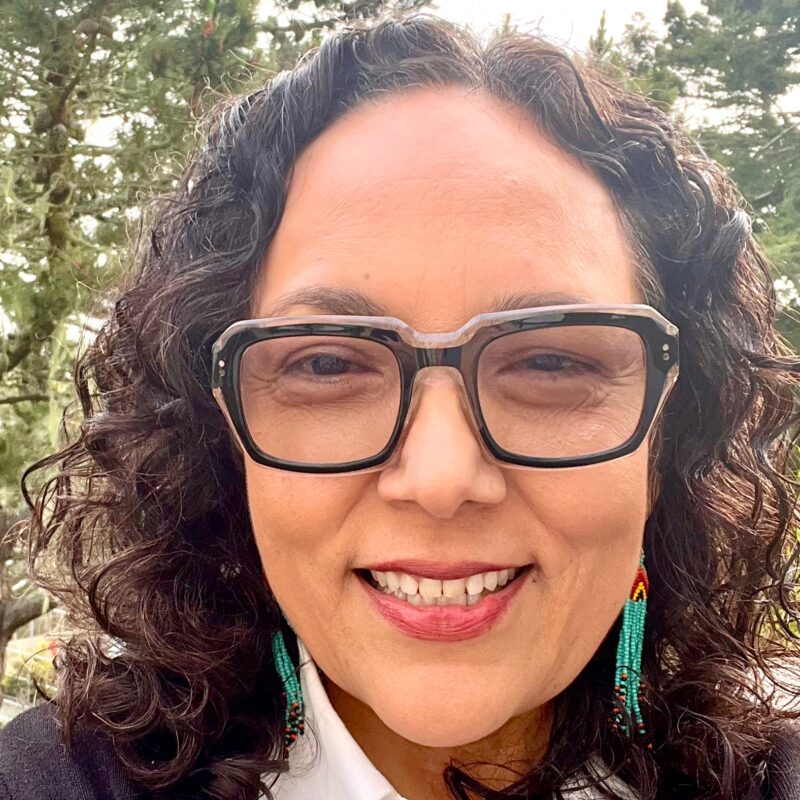
Founder and Executive Director | Braided Wisdom
Carol Cano, M.A., is a multi-ethnic Indigenous dharma teacher and ecological leader bridging Buddhist practice, ancestral wisdom, and Earth-based stewardship. A Spirit Rock Residential Retreat Teacher and Core Teacher at East Bay Meditation Center, she is deeply engaged in the “Eco-Dharma” movement, which seeks to support contemplative responses to the climate crisis grounded in justice and care. She is also the founder and Executive Director of Braided Wisdom, which works to advance regenerative relationships with land, culture, and community to guide collective healing, resilience, and reciprocity for a shared future.
This workshop will offer a space for white-identifying participants of all ages to explore how to move past the amnesia and denial of “whiteness” by connecting with the best traditions of our ancestors and seeking to create a balanced, life-sustaining culture beyond the unearned privileges we have inherited. Somatic awareness techniques, storytelling dyads, ritual “composting,” and supportive group-sharing to encourage accountability will all be incorporated into this nuanced and compassionate community space. With: Hilary Giovale, community organizer, author of Becoming a Good Relative: Calling White Settlers toward Truth, Healing, and Repair; Darcy Ottey, co-founder/former Co-Director of Youth Passageways; Shay Sloan Clarke, community steward, Interim Executive Director of the Maidu Summit Consortium and Executive Director of Nourishing Futures; Lauren Gucik, facilitator, event producer, and food justice organizer.
March 28th | 4:45 pm to 6:00 pm | Lotus Cafe, Dharma College
Panelists
Hilary Giovale
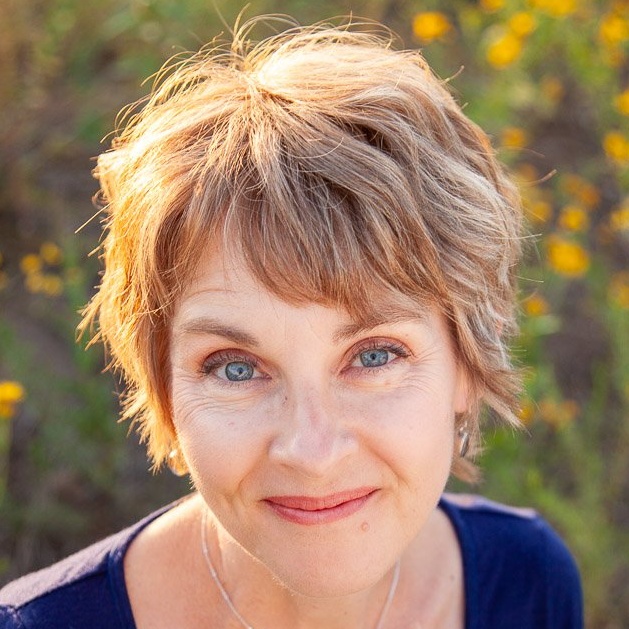
Author, Community Organizer, Speaker and Facilitator
Hilary Giovale, a community organizer, speaker, facilitator and self-described ninth-generation American settler, seeks to follow Indigenous and Black leadership in support of human rights, environmental justice and equitable futures. As an active “reparationist,” she seeks to divest from “whiteness” and to bridge divides with truth, healing, apology, and forgiveness. She is the author of the award-winning book Becoming a Good Relative: Calling White Settlers toward Truth, Healing, and Repair.
Lauren Gucik
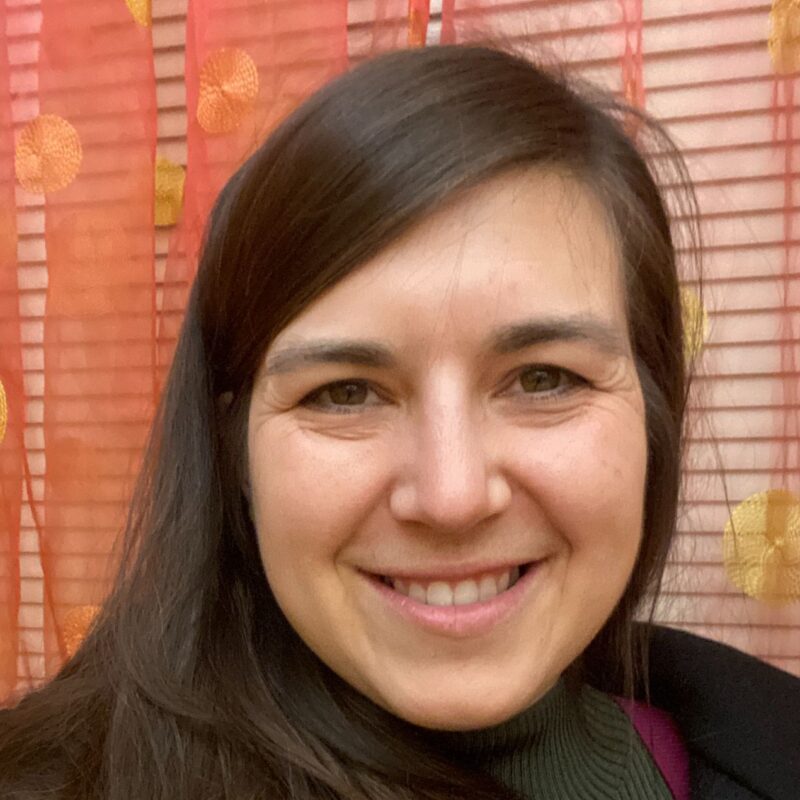
Facilitator, Educator, and Activist
Lauren Gucik is a facilitator, event coordinator, educator, and food sovereignty and social justice activist dedicated to weaving connections between people, land, and ancestral wisdom and designing experiences that nourish joy, deepen reflection, and cultivate liberation.
Darcy Ottey
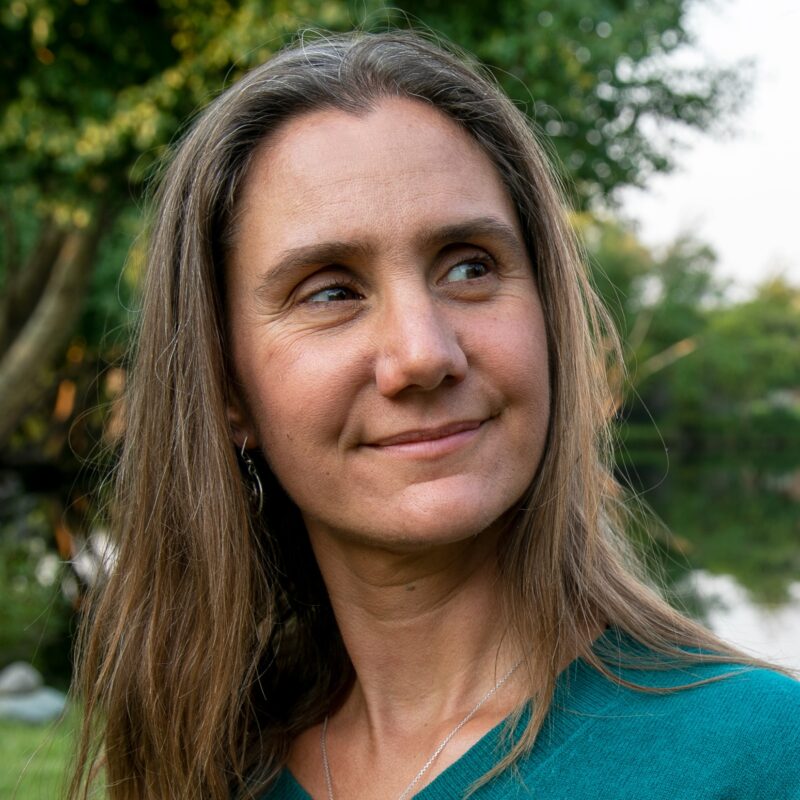
Facilitator and Network Builder
Darcy Ottey is a “cultural practitioner,” facilitator, network builder, and co-founder and former Co-Director of Youth Passageways, an intergenerational and cross-cultural network supporting the regeneration of healthy passages into mature adulthood for today’s youth. Darcy’s work focuses on: supporting white people and others with privilege in dismantling systems of oppression internally and externally; building resilient networks of relationships across lines of difference; and building community capacity for meaningful acts of redistribution, reparations, and “rematriation” with people in the global majority.
Shay Sloan Clarke
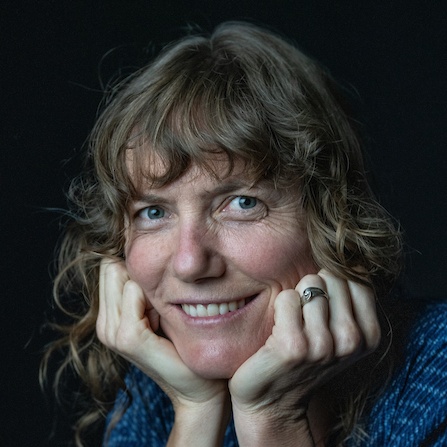
Executive Director | Nourishing Futures
Shay Sloan Clarke, Executive Director for Nourishing Futures and Interim ED for the Maidu Summit Consortium, is a practitioner of rites of passage, circle, and embodied anti-racism as well as a guide, trainer, convenor, facilitator, consultant, and educator. Shay, whose past positions have included: founding Director of the Indigenous & Community Lands & Seas program for The WILD Foundation and the World Wilderness Congress, and Executive Director of both The Ojai Foundation and the Global Center for Indigenous Leadership & Lifeways, is co-editor of: Protecting Wild Nature on Native Lands, and co-author of: Cross-Cultural Protocols in Rites of Passage: Guiding Principles, Themes and Inquiry.
Over 140 labor and community organizations have come together across the country to launch the “Living Wage for All” campaign, advancing bold visions and actions to address the affordability crisis, a centerpiece of which is raising the minimum wage closer to the actual cost of living (at least $25 nationwide and $30 in higher-cost regions) with no exceptions. Working people across the country are questioning the plea to ‘join us to save democracy’ when democracy has not worked for them, as they have to work multiple jobs and still aren’t able to make ends meet. Come and hear about how this coalition is demonstrating that democracy can deliver on working people’s top concern, their survival, in order to restore faith in the idea that democracy is worth saving, and how you can join this campaign. With: Saru Jayaraman,President, One Fair Wage; Angela Glover Blackwell, renowned Civil Rights and democracy and equity activist, now “Founder-in-Residence” at PolicyLink, the highly influential organization she started in 1999; and award-winning author, filmmaker, scholar, and one of the planet’s leading experts on and advocate for a just food system, Raj Patel.
March 28th | 4:45 pm to 6:00 pm | Goldman Theater, Brower Center
Panelists
Saru Jayaraman
President | One Fair Wage
Saru Jayaraman (JD, Yale, MPP Harvard), an academic at UC Berkeley and a renowned labor activist, is President of One Fair Wage, which organizes to raise wages and end sub-minimum wages nationwide. She has won numerous awards for her activism, including being named: one of CNN’s “Top10 Visionary Women,” a White House Champion of Change, a James Beard Foundation Leadership Award winner, and a San Francisco Chronicle ‘Visionary of the Year.’ Saru, who is interviewed and cited frequently in major media outlets, is author of: Behind the Kitchen Door; Forked: A New Standard for American Dining; and One Fair Wage: Ending Subminimum Pay in America.
Angela Glover Blackwell
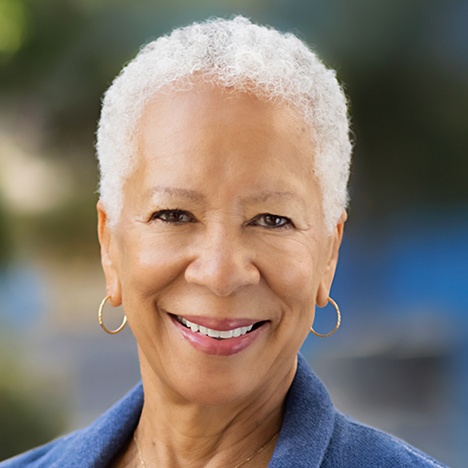
Founder in Residence | PolicyLink
Angela Glover Blackwell, “Founder in Residence” at PolicyLink, the organization she started in 1999 to advance racial and economic equity for all, gained national prominence in the movement to use public policy to improve access and opportunity for all low-income people and communities of color, particularly in the areas of health, housing, transportation, and infrastructure. Angela is also the host of the Reimagining Democracy for a Good Life podcast and Professor of Practice at the Goldman School of Public Policy, University of California, Berkeley.
Raj Patel
Activist, Journalist, and Filmmaker
Raj Patel, an award-winning author, film-maker and academic, is a Research Professor in the Lyndon B Johnson School of Public Affairs at the University of Texas, Austin who has worked for the World Bank and WTO but also protested against them around the world and testified about the causes of the global food crisis to the US, UK and EU governments. A member of the International Panel of Experts on Sustainable Food Systems and of the council of Progressive International, he has written extensively for a range of scholarly journals in economics, philosophy, politics and public health and also contributes frequently to a range of other publications, including The Guardian, Financial Times, New York Times, and Scientific American. He is the author of: Stuffed and Starved: The Hidden Battle for the World Food System and The Value of Nothing, and co-author of: A History of the World in Seven Cheap Things and (with Rupa Marya) of: Inflamed: Deep Medicine and The Anatomy of Injustice. His first film, co-directed with Zak Piper, is the award-winning documentary The Ants & The Grasshopper. He also co-hosted the food politics podcast The Secret Ingredient.
