
Thursday, March 26th
In an era of national polarization and digital fragmentation, some of the most powerful solutions are emerging at the community level—where authentic connection meets tangible change. This dynamic panel brings together two critical threads of democratic renewal: innovative leaders who are reimagining how we build community in digital spaces, and local elected officials who are translating that community power into transformative policy wins. This panel will bridge the often-separated worlds of online community-building and “real-world” governing, showing how they can reinforce each other by using democratic “from the ground up” renewal strategies and tools. Come discover how building rooted, resilient communities can offer an antidote to national dysfunction. Hosted by Reena Szczepanski, Civic (Re)Solve. With: Kasiana McLenaghan, Product Director, Public Spaces Incubator, New_ Public (a non-profit R&D lab focused on creating prosocial digital spaces); Charlene Wang, Oakland City Councilmember in District 2; and Jiggy Geronimo, Principal at JG Insights.
March 26th | 3:00 pm to 4:15 pm | Crystal Ballroom, Hotel Shattuck Plaza
Panelists
Reena Szczepanski
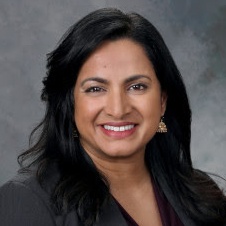
Justice, Equality and Public Health Activist
Reena Szczepanski has spent her career working for justice, equality, and public health, starting in her teenage years doing work/study as a caregiver for babies affected by HIV/AIDS and eventually managing the New Mexico Department of Health’s Hepatitis Program. She later became Executive Director of Emerge New Mexico, a statewide organization dedicated to training women to run for office and led the Drug Policy Alliance New Mexico to many legislative victories, including the state’s medical cannabis law, substance abuse treatment, and criminal justice reform. Reena then served as the Chief of Staff to Speaker Brian Egolf, and in 2022 was herself elected to the New Mexico House of Representatives and was elected House Majority Leader by her colleagues. She is the first Asian American elected to legislative leadership in the history of New Mexico.
Charlene Wang
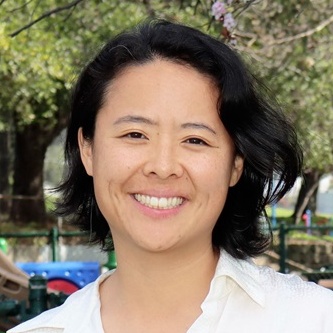
Councilmember | Oakland City Council
Charlene Wang, the Oakland City Councilmember representing District 2, has had a career spanning local, state, and federal governments, leading complex reforms in housing, homelessness, transportation, education, public safety, and environmental justice policies, including leading the $4 billion federal Reconnecting Communities initiative, a landmark infrastructure program repairing the damage caused by highways that displaced and divided disenfranchised communities nationwide. Earlier in her career, she restructured homeless response systems, helped implement universal preschool and Head Start programs and advanced environmental justice and civil rights enforcement at the U.S. EPA. Shaped by firsthand exposure to gender-based violence, Charlene has made combating violence against women and vulnerable people a core focus of her work. On the City Council, she chairs the Public Safety Committee and chairs Oakland’s anti-human-trafficking task force. Charlene centers community, especially voices that are often left out of policy spaces, in her mission to help build an Oakland where safety, opportunity, and justice are lived realities for every resident.
Jiggy Geronimo
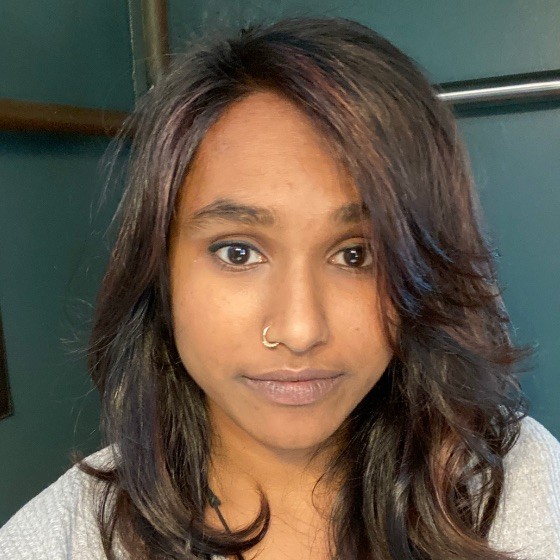
Principal | JG Insights
Jiggy Geronimo, Ph.D., a former neuroscientist and biology professor turned social justice advocate, brings her research expertise and understanding of the mind to her work on political narratives. She is the founder and Principal of JG Insights LLC, an innovative progressive consulting firm designed for the modern media environment that specializes in fostering transformational coalitions and effective campaign strategies. Previously the founding Executive Director of the Research Collaborative where she helped coordinate the national #CountEveryVote campaign to protect the 2020 election, she also ran policy campaigns for democracy in over 10 states working with Voting Rights Lab and Indivisible.
Kasiana McLenaghan
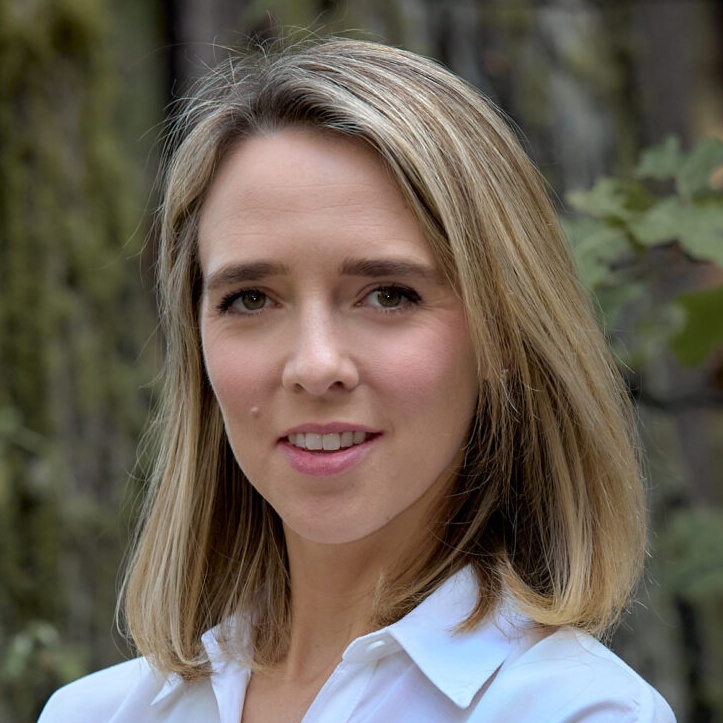
Product Director, Public Spaces Incubator | New_ Public
Kasiana McLenaghan, Product Director, Public Spaces Incubator, New_ Public, a non-profit dedicated to providing communities with healthy digital public spaces, has spent the last decade working at the intersection of journalism and technology. Before joining New_ Public, she built subscriber management platforms and led growth initiatives at The New York Times and oversaw a full site redesign at Axios. Earlier in her career, she served as an Executive Fellow at the California Energy Commission and worked with Silicon Valley startups focused on energy efficiency and smart city platforms.
4:45 pm: Environmental Justice, One City at a Time: The Berkeley Model
Co-hosted by The Ecology Center
Very few activists and civil society leaders focused on zoning until they began to understand its immense power to shape our cities. Far too often zoning boards in the pockets of corporate interests make decisions that lead to exclusion and extraction. Zoning plays a key role in who bears the burdens and who reaps the benefits of development, including deciding where toxic facilities are sited and if affordable housing is possible. It has proven incredibly challenging, even for cities that want to do the right thing, to bring Environmental Justice issues and historically disenfranchised communities into planning processes with equity, collaboration, and transparency.
In 2016, California adopted a landmark law (SB1000) requiring every city in the state to adopt an Environmental Justice Element of its general plan. As a result, for the last decade cities across the state have been challenged to acknowledge environmental racism and injustice and to make plans to address them. Berkeley is in the midst of this, with the Ecology Center leading an Equitable Community Engagement process designed to upend one-way, transactional, and extractive planning and to build a model for trust-building, deep listening, relationship building, and accountability.
In this session, local community activists, city planners, and grassroots community members will share the new approaches at play in Berkeley, and how other communities can draw from its process to listen, engage, and respond to those most often left out of and most impacted. As the saying goes: ” If you’re not at the table, you’re on the menu.” Hosted by Martin Bourque, Executive Director, Ecology Center. With: Pilar Zuñiga, Community Engagement Program Director, Ecology Center; Alene Pearson, Deputy Director for the Planning and Development Department at the City of Berkeley; Pastor Michael Smith, founder of the Center for Food, Faith & Justice; Wilhelmenia Wilson, Executive Director of Healthy Black Families; and Betsy Morris, co-convenor of Gray Panthers Berkeley-East Bay.
March 26th | 4:45 pm to 6:00 pm | Goldman Theater, Brower Center
Panelists
Pilar Zuñiga

Community Engagement Program Director | Ecology Center
Pilar Zuñiga, a Climate Equity Consultant with the Ecology Center in Berkeley, has, for the past 2 years worked with the City of Berkeley and the community to establish and expand environmental justice and climate adaptation initiatives. A longtime sustainability practitioner, educator and community organizer, her multi-faceted professional involvements include: youth development, sexual and reproductive health, art, business development, and sustainable floral design via her business, Gorgeous and Green.
Alene Pearson
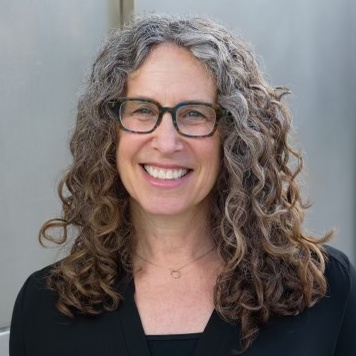
Deputy Director for the Planning and Development Department | City of Berkeley
Alene Pearson, an AICP-certified planner with 25+ years’ experience in city planning, project management, and team leadership, currently serves as Deputy Director for the Planning and Development Department at the City of Berkeley, where she oversees departmental operations, supports staff, and manages special projects. Alene has led a wide range of land use, transportation, housing, and environmental planning projects and has contributed to the development of a number of inclusionary housing policies and equity initiatives. She is known for building strong partnerships with colleagues and stakeholders and helping to advance policies and programs that benefit the communities she serves.
Martin Bourque

Executive Director | Ecology Center
Martin Bourque, the Executive Director of the Ecology Center in Berkeley since 2000, has led that cutting-edge non-profit to become a high-impact engine for change locally, regionally and nationally, helping move progressive agendas in such domains as transparency in plastic recycling, pollution reduction, food and farming, access and equity, consumerism, and zero waste.
Reverend Dr. Michael A. Smith
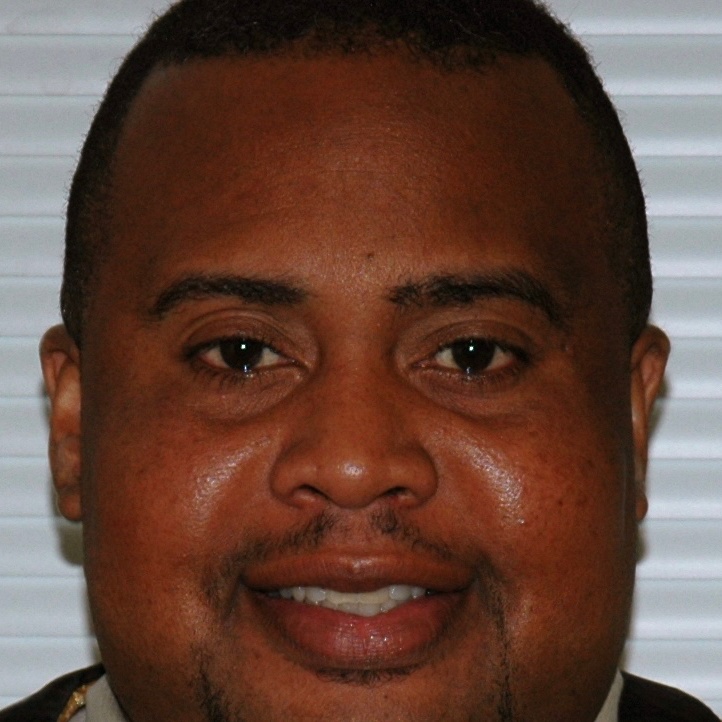
Founder | Center for Food, Faith & Justice
Reverend Dr. Michael A. Smith, a nonprofit professional with nearly 30 years of executive leadership experience, has, since 2005, served as Pastor of McGee Avenue Baptist Church in Berkeley, CA, where he founded the Center for Food, Faith & Justice in 2015 as a nonprofit community-based organization in response to the local needs of food sovereignty, healthy equity, violence prevention, affordable housing, workforce development and community food security through urban agriculture. Pastor Michael, as he is affectionately called, has also served as Affiliate Professor of Ecojustice and Creation Care at the Berkeley School of Theology.
Wilhelmenia Wilson
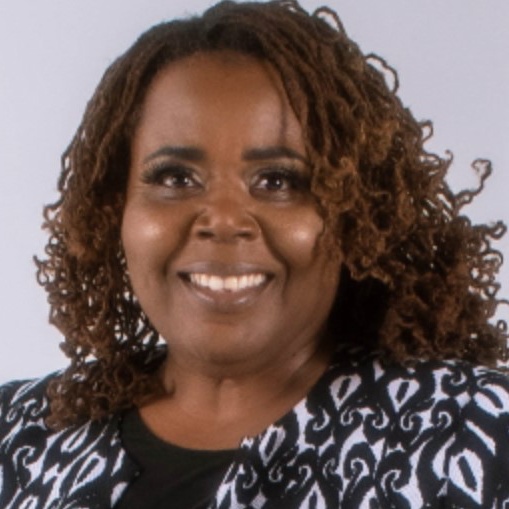
Executive Director | Healthy Black Families
Wilhelmenia “Mina” Wilson is Executive Director at Healthy Black Families, Inc., a Berkeley-based public-health non-profit that organizes individuals, families, and the institutions that serve them into collaborative communities empowered with skills to advance social equity and justice, with a focus on Black people, families and communities. Mina’s ancestry connects her to Somerset Place, a North Carolina plantation where five generations of her forebears were exploited as enslaved people, an ancestral connection that informs her work in the world.
Betsy Morris
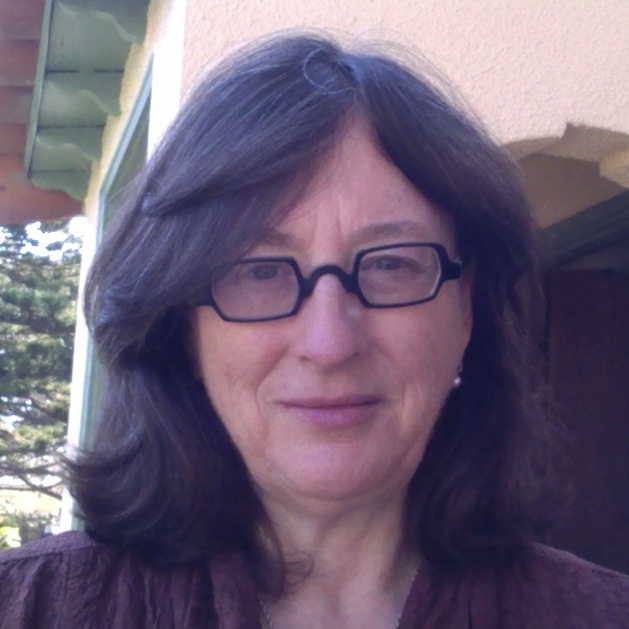
Co-Convenor | Gray Panthers Berkeley-East Bay
Betsy Morris, Ph.D., a co-convenor of Gray Panthers Berkeley-East Bay, a multi-generational membership organization created in 1975 to educate the public on the needs of low-income seniors and disabled adults, with particular attention to health, worked with think tanks, foundations, and community development corporations in low-income neighborhoods before founding Planning for Sustainable Communities, and later, Cohousing California, with her husband. Betsy is also an Ambassador of the Global Ecovillage Network and for the UN's 17 Sustainable Development Goals.
David Sirota, an award-winning journalist, author, podcaster, founder of the invaluable investigative news outlet, The Lever, and a one-time speechwriter for Bernie Sanders, is one of the nation’s most penetrating analysts of the corruption of our political system. For anyone interested in social movements and momentum for change, it’s hard to think of a more urgently important systems-level conversation in this critical moment in our history. In this session, David will be interviewed by Rose Aguilar, renowned Bay Area journalist, host of KALW’s Your Call, the Bay Area’s premiere public affairs program, as he draws from his profoundly revelatory audio series and book, Master Plan, to elucidate the history of the corporate capture of our political system, where we stand today, and what we can do to begin to reclaim our democracy before it’s too late.
March 26th | 4:45 pm to 6:00 pm
Panelists
David Sirota
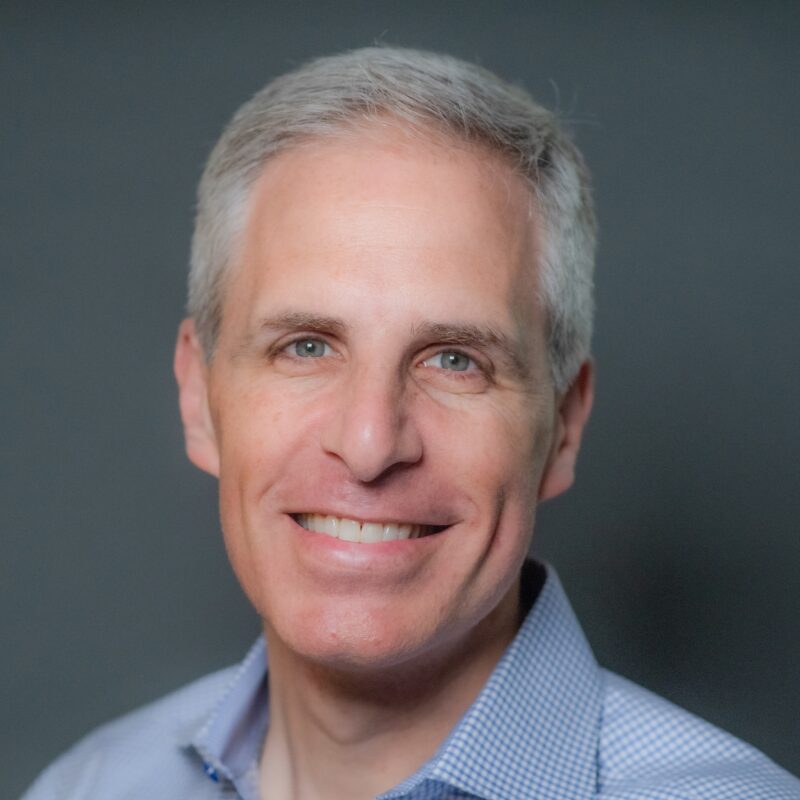
Founder and Editor | The Lever
David Sirota, an award-winning journalist and bestselling author of four books who served as Bernie Sanders’ presidential campaign speechwriter in 2020, is founder and Editor of The Lever, a reader-supported investigative news outlet, and host of the weekly podcast Lever Time and the audio series Master Plan, whose first season won the 2025 National Press Club and the Signal awards. He also created Audible’s financial crisis podcast series Meltdown, named one of the best podcasts of the year by The Atlantic. Sirota also co-won the Writers Guild of America’s 2022 award for best original screenplay (with Adam McKay).
Rose Aguilar
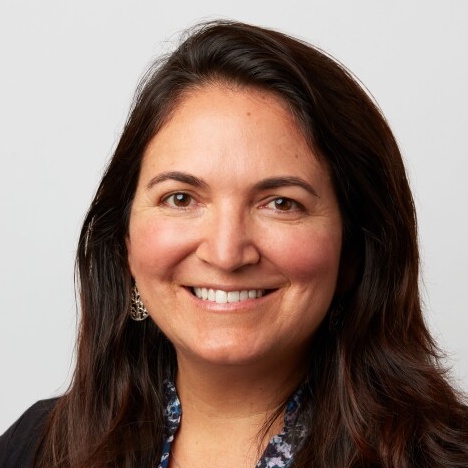
Host | KALW’s Your Call
Rose Aguilar, the longtime host of KALW’s Your Call, considered by many to be the Bay Area’s best public affairs program, has written for Al Jazeera English, The Guardian, Truthout, The Nation, and AlterNet. A member of the Native American Journalists Association and mentor-editor for The OpEd Project, an organization that works to increase the range of voices in the media, she is the author of Red Highways: A Journey into the Heartland. Before joining KALW, Rose published a newsletter about women's issues and was a technology reporter for CNET Radio. In college, she ran the TV and radio news departments and DJ'd a heavy metal show.
Friday, March 27th
Renowned science fiction author, activist and journalist Cory Doctorow coined the term “enshittification” in 2022 to describe the degradation of online platforms. Today, he will draw from his most recent nonfiction book, Enshittification: Why Everything Suddenly Got Worse and What to Do About It, to assure us that it’s not our imaginations: the internet does indeed suck now. And this isn’t the result of great historical forces or iron laws of economics: it’s caused by specific policy choices made in living memory by named individuals, but Cory will argue that we aren’t helpless prisoners of the depraved foolishness of early 21st century policymakers. We can – and we must – break free of the prison they built for us, consigning their terrible ideas to the scrap-heap of history, so we can create a new, good internet that is fit to serve as the digital nervous system of this fraught young century.
March 27th | 11:46 am to 12:08 pm | Zellerbach Hall
Introduced by
Zephyr Teachout
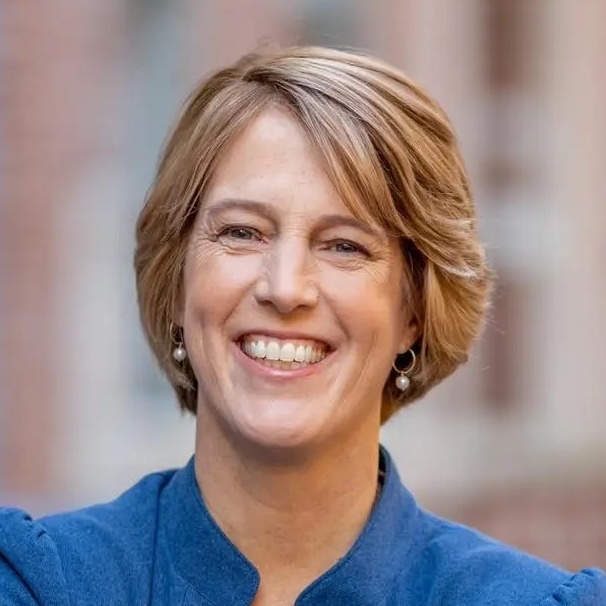
Professor of Law | Fordham Law School
Zephyr Teachout, Professor of Law at Fordham Law School, is a renowned and influential expert on the intersection of corporate and political power. She is the author of Corruption in America, which traces the history of what corruption has meant at different times in our history and, most recently of: Break 'em Up, which makes a case for reimagining the relationship between democracy and antimonopoly law. Zephyr also ran for Governor and Attorney General of New York State, getting the New York Times endorsement in the latter race, and is a leading figure in national antimonopoly and democracy defense movements.
Cory Doctorow
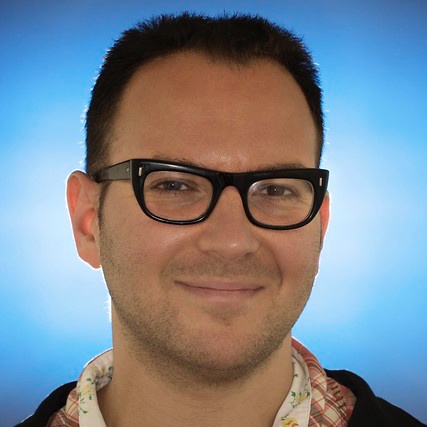
Technology Journalist and Science Fiction Author
Cory Doctorow, a renowned, award-winning science fiction author, activist, and journalist, is the author of dozens of books, most recently, Enshittification: Why Everything Suddenly Got Worse and What to Do About It, (nonfiction); and the novels Picks and Shovels and The Bezzle. His other notable books include the “solar-punk” novels Walkaway and The Lost Cause, and the tech policy books The Internet Con and Chokepoint Capitalism. Cory also: maintains a daily blog at Pluralistic.net; works for the Electronic Frontier Foundation; and is: an AD White Professor at Cornell University; an MIT Media Lab Research Affiliate; a Visiting Professor of Computer Science at Open University; a Visiting Professor of Practice at the University of North Carolina’s School of Library and Information Science; and a co-founder of the UK Open Rights Group.
3:00 pm: Fighting for the Human Right to Water in the U.S.
Co-hosted by the Pacific Institute
The UN formally recognizes the human right to water and sanitation, but in the U.S. today more than two million people still live without running water or safe plumbing, and tens of millions more face chronic water quality violations, supply disruptions or unaffordable bills. These challenges cut across the country from poor urban neighborhoods and rural communities to tribal nations, and they fall hardest on people of color, low-income households, and other marginalized groups. And climate change is magnifying these inequities, but even amidst these challenges, communities and leaders across the country are advancing practical solutions and building grassroots power to protect and expand the right to water. This panel brings together water justice activists from across the country who will share on-the-ground stories, policy insights, and emerging models for change and explore what it will take to finally realize the human right to water for all. Hosted by Heather Cooley, Chief Research and Program Officer, Pacific Institute. With: Dr. Khalid Osman, Assistant Professor, Stanford University; Monica Lewis-Patrick, President and CEO, We the People of Detroit; Jenny Rempel, postdoctoral scholar in the Department of Environmental Science, Policy, and Management at UC Berkeley.
March 27th | 3:00 pm to 4:15 pm | Golden Bear Room, Hotel Shattuck Plaza
Panelists
Heather Cooley
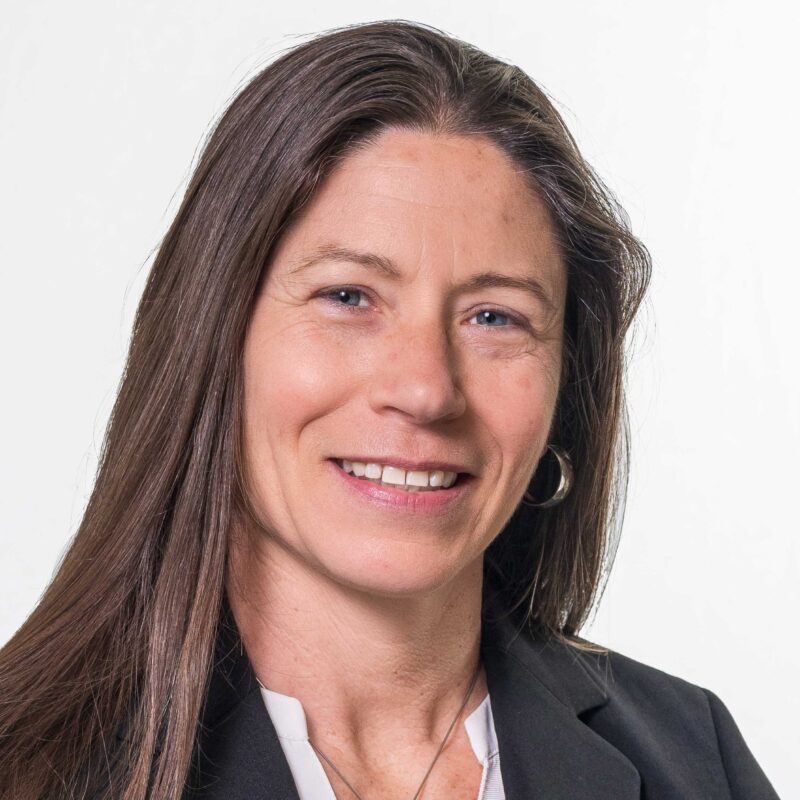
Chief Research and Program Officer | Pacific Institute
Heather Cooley, Chief Research and Program Officer at the Pacific Institute, a pioneering, Oakland-based non-profit organization dedicated to creating and advancing solutions to the world’s most pressing water challenges, has led its research and programs since 2004, focusing especially on sustainable water management, water resilience, and the water–energy nexus. Her work bridges science and policy to inform decision-making at local, state, and national levels. Heather, who holds multiple degrees from UC Berkeley, has served in leadership and advisory roles on a number of major state and national water policy bodies.
Monica Lewis-Patrick
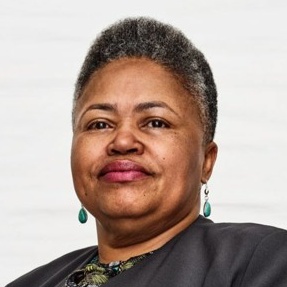
President and CEO | We the People of Detroit
Monica Lewis-Patrick, President/CEO of We the People of Detroit, is an educator, entrepreneur, scholar, and human rights activist especially renowned for her tireless activism for safe, affordable water. A member of: the National Water Affordability Table, All About Water/Freshwater Future Subcommittee, PolicyLink’s Water Equity and Climate Resilience Caucus (WECR), End Water Poverty, and the Governance Board for Healing Our Waters/Great Lakes Coalition (HOW), Lewis-Patrick also co-chairs the Water Committee on the Michigan Advisory Council on Environmental Justice.
Khalid Osman
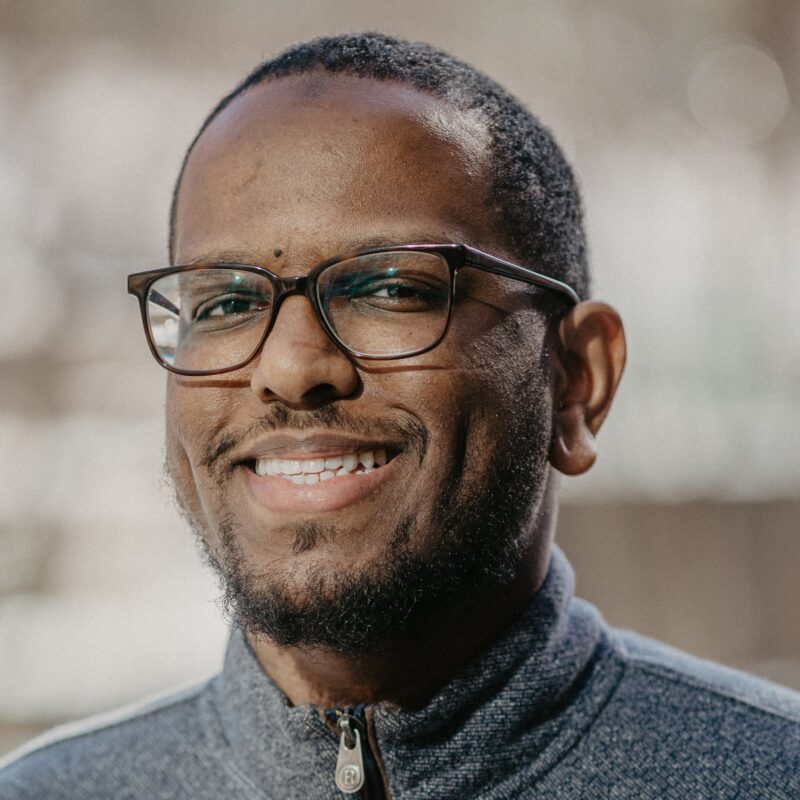
Assistant Professor | Stanford University
Khalid K. Osman, Ph.D., an Assistant Professor of Civil and Environmental Engineering at Stanford, also holds faculty affiliations at the King Center for Global Development and the Center for Comparative Studies in Race and Ethnicity. His research focuses on ensuring equity and justice in the provision of infrastructure services, currently focusing on the water sector, including frameworks for equity in the adoption of new water technologies and sanitation justice challenges in rural communities. Khalid has had many collaborations with local community-based organizations and leads Osman Lab, which develops new approaches to equitable and just infrastructure in vulnerable, climate change-challenged communities.
Jenny Rempel
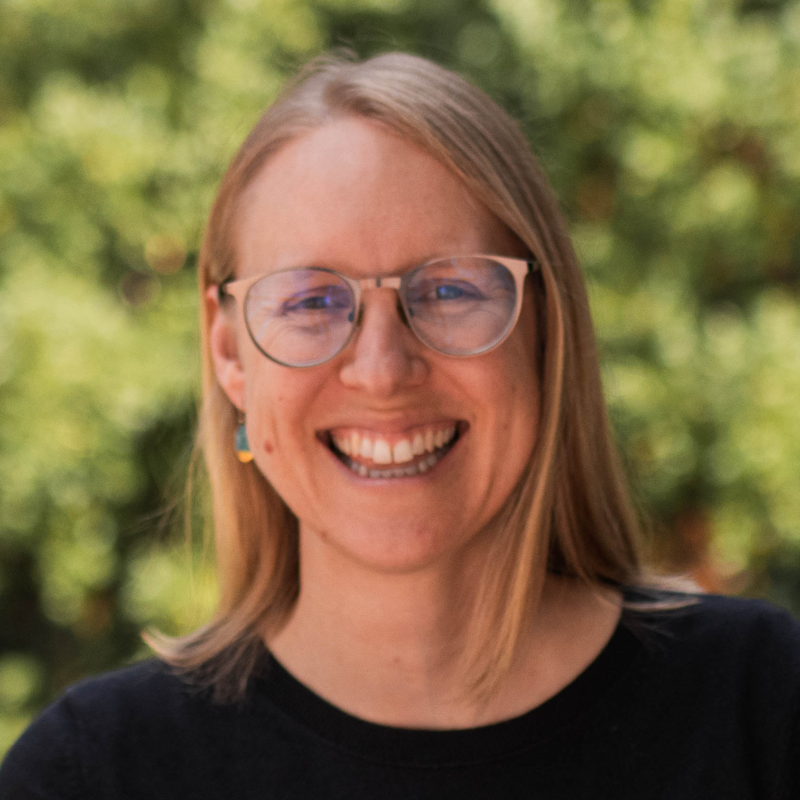
Postdoctoral Scholar | Department of Environmental Science, Policy, and Management at UC Berkeley
Jenny Rempel is a postdoctoral scholar in the Department of Environmental Science, Policy, and Management at UC Berkeley. She combines community-engaged and data-driven research approaches to understand the patterns and drivers of resource and exposure disparities. As a public scholar from California’s San Joaquin Valley, Jenny collaborates with community-based organizations, coalitions, and policymakers to generate knowledge that informs environmental policy and climate adaptation efforts. Jenny’s latest work examines implementation of California’s human right to water law from local to statewide scales.
As the reality of a changing climate bears down, it is increasingly clear that the only realistic pathway forward is to protect and regenerate the natural systems that undergird life on earth. We need to take care of the place that takes care of us. It’s time to go big for nature, with the resources and effort commensurate with the scale of the challenge. But while “nature” is a vast overarching concept, the actual practice of implementing nature-based solutions is deeply local, enacted watershed by watershed, bioregion by bioregion. How can we transform governance to operationalize local action at scale? What does truly bioregional planning look like? Can we mobilize to enable landscape-scale regeneration before it’s too late? Join three leading policymakers working at a variety of different scales to learn what the cutting edge of nature-based governance looks like. Hosted by Brett KenCairn, founding Director of the Center for Regenerative Solutions. With: Wade Crowfoot, the Natural Resources Secretary of the State of California; and Nancy Scolari, Executive Director of the Marin Resource Conservation District.
March 27th | 3:00 pm to 4:15 pm | Crystal Ballroom, Hotel Shattuck Plaza
Panelists
Brett KenCairn
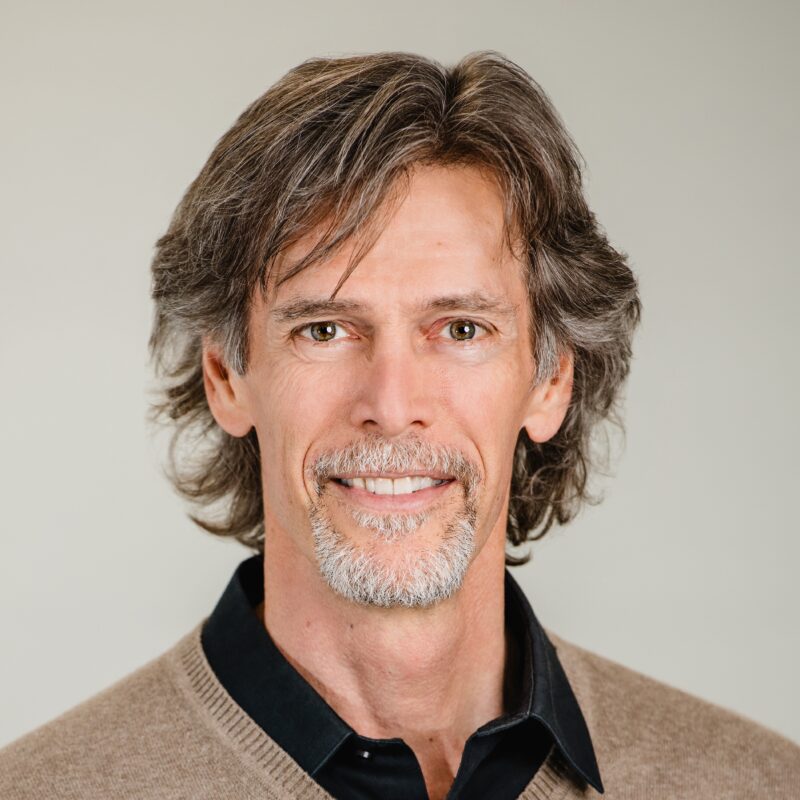
Founding Director | Center for Regenerative Solutions
Brett KenCairn, founding Director of the Center for Regenerative Solutions and Senior Division Manager for Nature-based Climate Solutions for the City of Boulder’s Climate Initiatives Department, has throughout his career supported community-based initiatives across the western U.S., particularly in rural, Native American, and other marginalized communities. He also co-founded several organizations, including: the Rogue River Institute for Ecology and Economy; Indigenous Community Enterprises; Veterans Green Jobs; and Community Energy Systems.
Wade Crowfoot
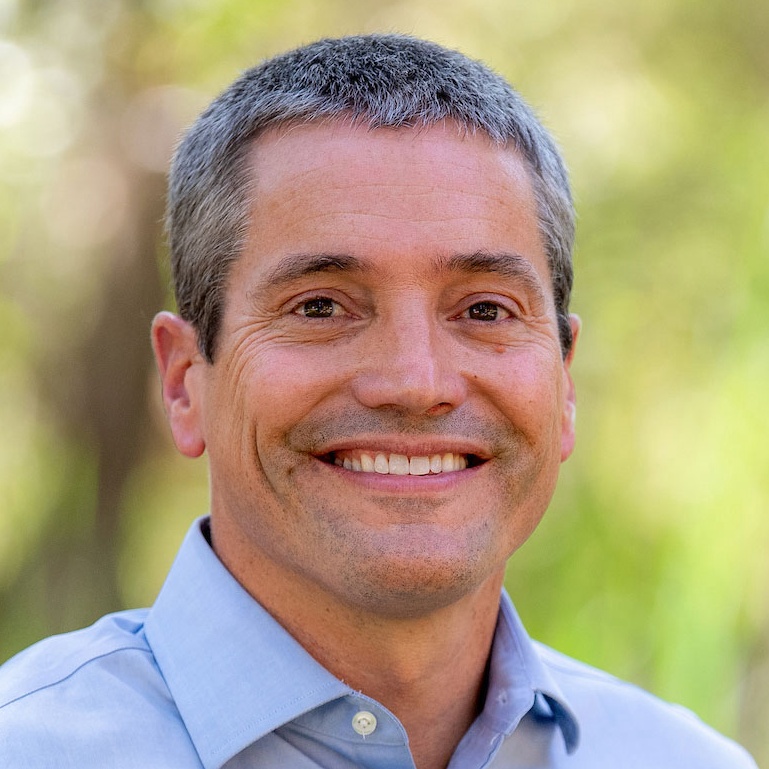
Natural Resources Secretary | State of California
Wade Crowfoot, on the frontlines of environmental leadership throughout his long career in the public and non-profit sectors, California’s Natural Resources Secretary since 2019, leads efforts to conserve California’s environment and natural resources, overseeing an agency of 25,000+ employees spread across 26 departments, commissions, and conservancies charged with stewarding the state's forests, natural lands, rivers, water supplies, coasts, wildlife and biodiversity, as well as helping oversee its world-leading clean energy transition, including a commitment to conserve 30% of its land and coastal waters by 2030. Secretary Crowfoot has led efforts to navigate California’s record-breaking droughts, floods, and wildfires and has initiated a new era of partnerships with the state's Native American tribes.
Nancy Scolari
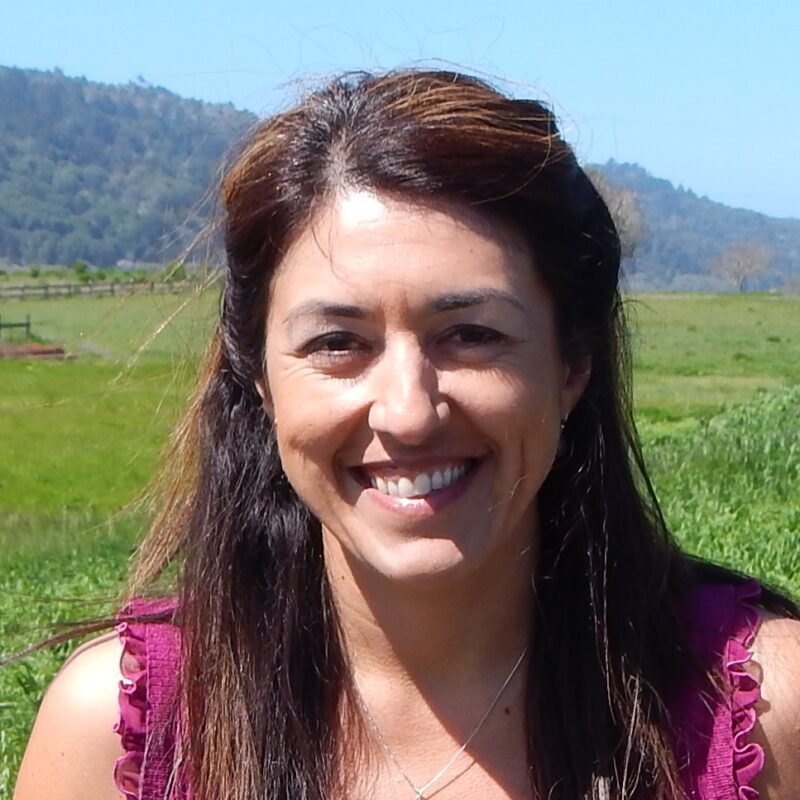
Executive Director | Marin Resource Conservation District
Nancy Scolari has led the Marin Resource Conservation District since 1998, partnering with local ranchers to protect and enhance natural resources in western Marin County. In 2008, she co-founded the Marin Carbon Project to advance research and implementation of climate-smart agriculture on local rangelands. During her tenure, more than 20 miles of streams have been restored, water quality has improved, and fish populations are rebounding. The district is progressing toward Marin County’s 2030 climate goals, with Nancy emphasizing collaboration as the foundation for lasting environmental stewardship.
4:45 pm: Resisting Enshittification: From Monopolies and Mediocrity to Reviving Democracy
Cory Doctorow and Zephyr Teachout in Conversation
The monopolistic dominance of the technosphere and media ecosystem by a handful of immense corporations has led to extraordinary erosions of privacy, dignity and sanity, and may threaten the very survival of those democratic institutions we still have. In light of these realities, what can we do to resist what Cory Doctorow has brilliantly tagged as the “Enshittification” of online reality and its nefarious impacts on the larger cultural and socio-political context? In this conversation, Cory, one of the world’s leading, long-time warriors for a truly functional internet that genuinely serves our needs, joins Zephyr Teachout, attorney, law professor, author, political leader, pioneering anti-monopoly and internet activist, and one of the nation’s leading experts on democracy and antitrust law, as they delve deeply into the best strategies we can employ to reclaim what should be our information and communication commons. Moderated by: Wendy Liu, author of Abolish Silicon Valley: How to Liberate Technology from Capitalism.
March 27th | 4:45 pm to 6:00 pm | Freight & Salvage
Panelists
Zephyr Teachout
Professor of Law | Fordham Law School
Zephyr Teachout, Professor of Law at Fordham Law School, is a renowned and influential expert on the intersection of corporate and political power. She is the author of Corruption in America, which traces the history of what corruption has meant at different times in our history and, most recently of: Break 'em Up, which makes a case for reimagining the relationship between democracy and antimonopoly law. Zephyr also ran for Governor and Attorney General of New York State, getting the New York Times endorsement in the latter race, and is a leading figure in national antimonopoly and democracy defense movements.
Cory Doctorow
Technology Journalist and Science Fiction Author
Cory Doctorow, a renowned, award-winning science fiction author, activist, and journalist, is the author of dozens of books, most recently, Enshittification: Why Everything Suddenly Got Worse and What to Do About It, (nonfiction); and the novels Picks and Shovels and The Bezzle. His other notable books include the “solar-punk” novels Walkaway and The Lost Cause, and the tech policy books The Internet Con and Chokepoint Capitalism. Cory also: maintains a daily blog at Pluralistic.net; works for the Electronic Frontier Foundation; and is: an AD White Professor at Cornell University; an MIT Media Lab Research Affiliate; a Visiting Professor of Computer Science at Open University; a Visiting Professor of Practice at the University of North Carolina’s School of Library and Information Science; and a co-founder of the UK Open Rights Group.
Wendy Liu

Freelance Writer
Wendy Liu, a freelance writer based in San Francisco, is the author of Abolish Silicon Valley: How to Liberate Technology from Capitalism, published in 2020 by Repeater Books. She writes a column about tech billboards for Bay Area Current.
Saturday, March 28th
John Warner, one of the co-founders of the entire field of “Green Chemistry” who co-authored its defining text and co-articulated its core principles, works to create commercial technologies inspired by nature. An inventor with over 300 patents who has received countless prestigious awards, he has also been, with his wife, Amy Cannon, a thought leader and prime mover of green chemistry education. In this talk, he will share his vision of how we can draw from the molecular design genius of nature, which has been running countless rigorous chemistry experiments for nearly 4 billion years, to create benign products and technologies that provide for human needs without contaminating the biosphere and endangering our health.
March 28th | 9:38 am to 10:00 am | Zellerbach Hall
Introduced by
Kenny Ausubel
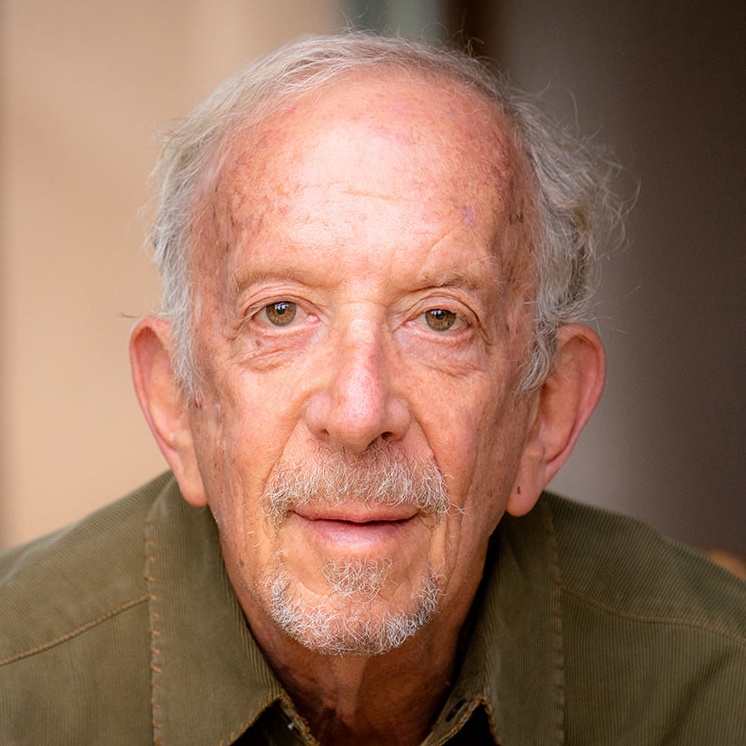
CEO and Co-Founder | Bioneers
Kenny Ausubel, CEO and co-founder (in 1990) of Bioneers, is an award-winning social entrepreneur, journalist, author and filmmaker. Co-founder and first CEO of the organic seed company, Seeds of Change, his film (and companion book) Hoxsey: When Healing Becomes a Crime helped influence national alternative medicine policy. He has edited several books and written four, including, most recently, Dreaming the Future: Reimagining Civilization in the Age of Nature.
John Warner
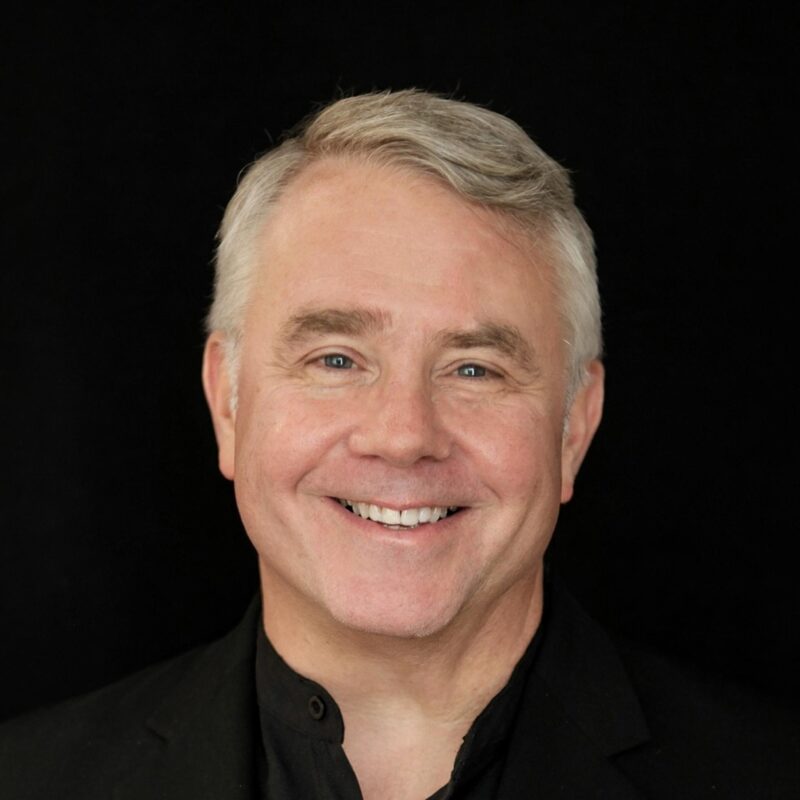
Inventor and Co-Founder of the Field of Green Chemistry
John Warner, Ph.D., one of the founders of the field of Green Chemistry who co-authored its defining text “Green Chemistry: Theory and Practice” (with Paul Anastas), is a chemistry inventor and entrepreneur who works to create commercial technologies inspired by nature consistent with the principles of green chemistry. He holds over 350 industrial chemistry patents, and his inventions have served as the basis for several new companies in photovoltaics, neurochemistry, construction materials, water harvesting, and cosmetics. John, who has received many prestigious awards from within the chemistry industry, government, academia and civil society organizations, has had a distinguished academic career, including as a tenured full-professor at UMASS Boston and Lowell. In 2007 he co-founded (with Amy Cannon) Beyond Benign, a non-profit dedicated to sustainability and green chemistry education. He holds academic appointments at Monash University in Australia, Chulalongkorn University in Thailand, Somaiya University in India, University of Birmingham in the UK, Rochester Institute of Technology in the US, and Technical University of Berlin in Germany where they have named the “John Warner Center for Start Ups in Green Chemistry.” John also currently serves as CEO and CTO of Technology Greenhouse.
As we today once again face the aggression of authoritarian oligarchy, there is a great deal we can learn from how food workers confronted fascism a century ago. Socialist and anarchist movements around the world gave birth to innovative solidarity strategies that permitted them to survive a fascist onslaught, care for their communities, and put food on the table in times of disease and war. Raj Patel, one of the world’s leading experts on sustainable food systems and a tireless advocate for food justice, will share what his research about these inspiring movements tells us about how we too can draw on the best human impulses to build economic systems built on solidarity and mutual aid.
March 28th | 10:00 am to 10:22 am | Zellerbach Hall
Introduced by
Anna Lappé
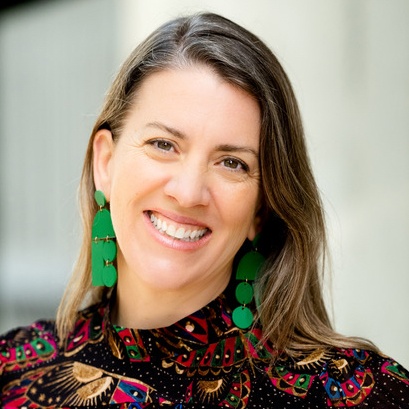
Executive Director | Global Alliance for the Future of Food
Anna Lappé, Executive Director of the Global Alliance for the Future of Food, a strategic alliance of philanthropic foundations working together and with partners globally for food system transformation, has, for 25+ years, been an advocate and funder for justice and sustainability across the food chain. The founder or co-founder of three U.S.-based organizations, including Real Food Media, a communications strategy nonprofit, and the Small Planet Fund, which supports food and farming advocacy movements worldwide, Anna is a national bestselling author who has contributed to more than a dozen books and is the author or co-author of three, including the critically acclaimed Diet for a Hot Planet.
Raj Patel
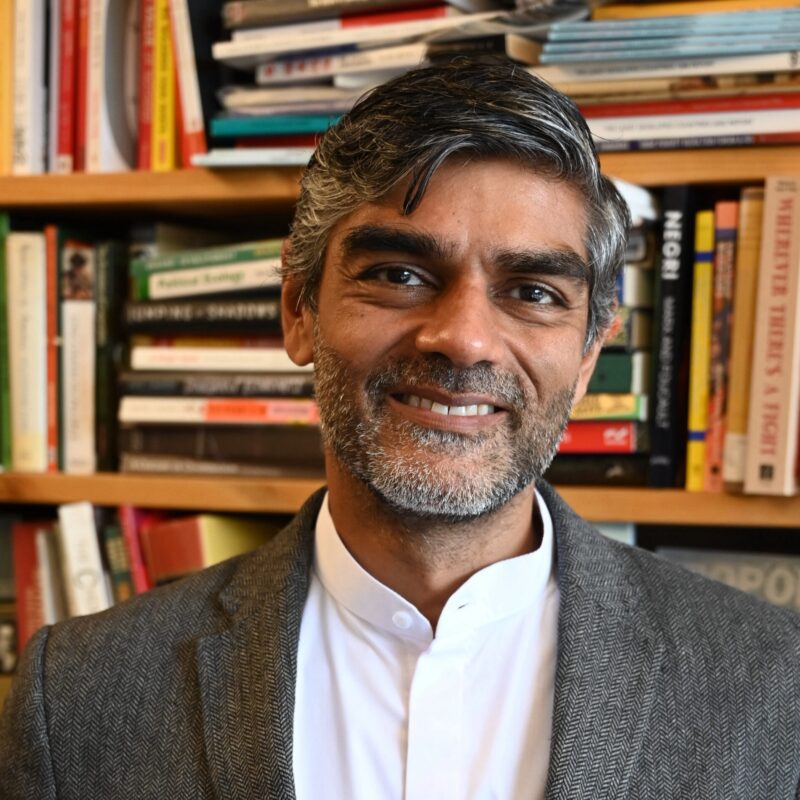
Activist, Journalist, and Filmmaker
Raj Patel, an award-winning author, film-maker and academic, is a Research Professor in the Lyndon B Johnson School of Public Affairs at the University of Texas, Austin who has worked for the World Bank and WTO but also protested against them around the world and testified about the causes of the global food crisis to the US, UK and EU governments. A member of the International Panel of Experts on Sustainable Food Systems and of the council of Progressive International, he has written extensively for a range of scholarly journals in economics, philosophy, politics and public health and also contributes frequently to a range of other publications, including The Guardian, Financial Times, New York Times, and Scientific American. He is the author of: Stuffed and Starved: The Hidden Battle for the World Food System and The Value of Nothing, and co-author of: A History of the World in Seven Cheap Things and (with Rupa Marya) of: Inflamed: Deep Medicine and The Anatomy of Injustice. His first film, co-directed with Zak Piper, is the award-winning documentary The Ants & The Grasshopper. He also co-hosted the food politics podcast The Secret Ingredient.
A growing body of evidence clearly shows that the health of urban dwellers and the health of the natural systems they live within are directly linked. Historically, privileged parts of urban landscapes have been managed primarily for aesthetic beauty and property value, not for their integral ecological role in the more-than-human world, and disenfranchised communities have been burdened with toxic sites and deprived of parks and tree cover. How can we create cooler, far less polluted and far healthier, safer and fairer urban spaces? In this session, three visionary urban activists and thought leaders from different parts of the country will share their stories and strategies that reveal how we can marshal biodiversity, social diversity, and human/nature collaborations to protect, enliven and empower our cities. Hosted by Brett KenCairn, founding Director of the Center for Regenerative Solutions and Senior Division Manager for Nature-based Climate Solutions for the City of Boulder. With: Elliott J. Royal, Executive Director of Charlotte, North Carolina’s West Blvd Neighborhood Coalition (WBNC); Tanner Yess, a co-founder of Groundwork Ohio River Valley who led the creation of one of the nation’s largest youth green workforce programs.
March 28th | 3:00 pm to 4:15 pm | Golden Bear Room, Hotel Shattuck Plaza
Panelists
Brett KenCairn
Founding Director | Center for Regenerative Solutions
Brett KenCairn, founding Director of the Center for Regenerative Solutions and Senior Division Manager for Nature-based Climate Solutions for the City of Boulder’s Climate Initiatives Department, has throughout his career supported community-based initiatives across the western U.S., particularly in rural, Native American, and other marginalized communities. He also co-founded several organizations, including: the Rogue River Institute for Ecology and Economy; Indigenous Community Enterprises; Veterans Green Jobs; and Community Energy Systems.
Elliott Royal
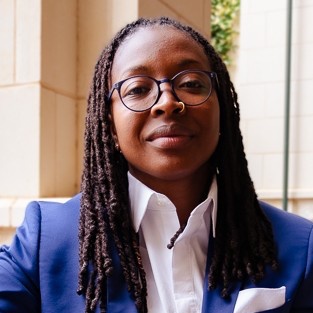
Executive Director | West Blvd Neighborhood Coalition
Elliott J. Royal, Executive Director of Charlotte, North Carolina’s West Blvd Neighborhood Coalition (WBNC), spearheads initiatives aimed at advancing equity, education, and economic mobility along Charlotte’s West Boulevard Corridor. She has long been deeply engaged in her community, working to strengthen resident involvement and build partnerships. Among other projects, Elliott oversees the Seeds for Change farm and its youth honey enterprise, is establishing a Youth Advisory Council, and is leading the launch of Three Sisters Market, a community-owned food cooperative designed to improve food access and health equity for the Black community, which has been without a full-service grocery store for 36+ years.
Tanner Yess

Youth and Workforce Officer | Groundwork USA
Tanner Yess, a co-founder of Groundwork Ohio River Valley and Groundwork USA’s Youth and Workforce Officer, has led the creation of one of the nation’s largest youth green workforce programs and brought Climate Safe Neighborhoods to Cincinnati. An alumnus of the Peace Corps who worked on a fishing vessel in the Bering Sea after earning a degree in ecology and co-founded Cincinnati’s Tri-State Trails Coalition, he is also a National Park Service “Mountains to Main Street” Ambassador; SHIFT Emerging Leader; and recipient of the 2018 Murie Center Rising Leader Award.
Bioneers is delighted to be able to bring together two groundbreaking figures in the struggle for an equitable and healthy food system, one working on the global architecture of that system, the other a hands-on farmer and educator exemplifying how solidarity can empower dispossessed communities to reclaim their food sovereignty. Raj Patel is one of the world’s leading experts on sustainable food systems and a tireless activist against neocolonial, extractive agriculture; Leah Penniman is the visionary founder of Soul Fire Farm and author of Farming While Black. In this fascinating conversation, they will explore how, even in this reactionary period, we can build effective movements to regenerate our soils, ecosystems, ancestral cultures, and communities, and nourish our bodies and souls. Moderated by Naomi Starkman, founder and Executive Director of Civil Eats.
March 28th | 3:00 pm to 4:15 pm | Freight & Salvage
Panelists
Raj Patel
Activist, Journalist, and Filmmaker
Raj Patel, an award-winning author, film-maker and academic, is a Research Professor in the Lyndon B Johnson School of Public Affairs at the University of Texas, Austin who has worked for the World Bank and WTO but also protested against them around the world and testified about the causes of the global food crisis to the US, UK and EU governments. A member of the International Panel of Experts on Sustainable Food Systems and of the council of Progressive International, he has written extensively for a range of scholarly journals in economics, philosophy, politics and public health and also contributes frequently to a range of other publications, including The Guardian, Financial Times, New York Times, and Scientific American. He is the author of: Stuffed and Starved: The Hidden Battle for the World Food System and The Value of Nothing, and co-author of: A History of the World in Seven Cheap Things and (with Rupa Marya) of: Inflamed: Deep Medicine and The Anatomy of Injustice. His first film, co-directed with Zak Piper, is the award-winning documentary The Ants & The Grasshopper. He also co-hosted the food politics podcast The Secret Ingredient.
Leah Penniman
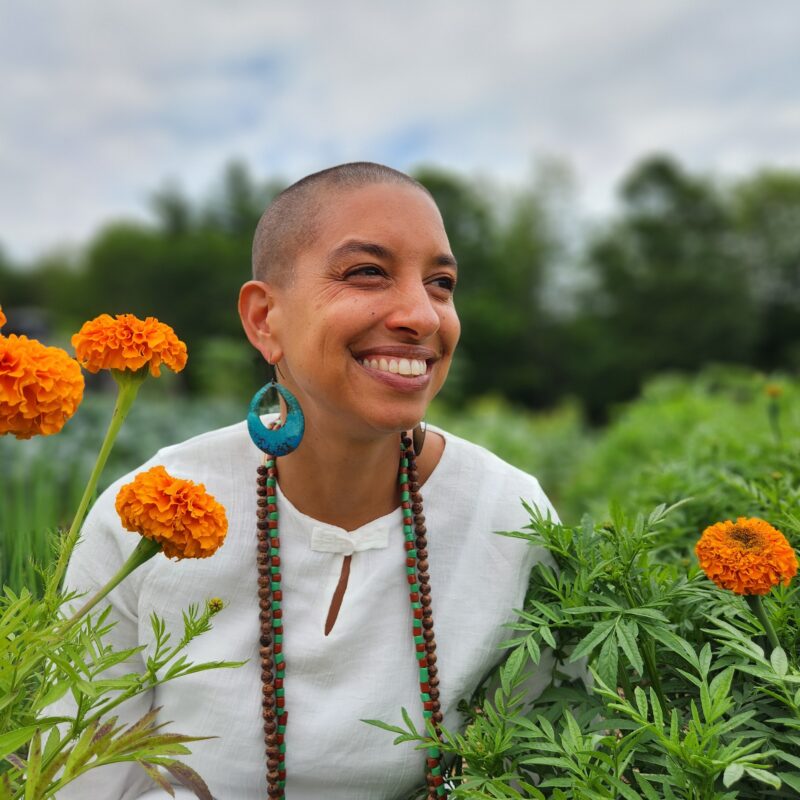
Farmer, Food Sovereignty Activist and Educator
Leah Penniman, a Black Kreyol farmer, author, mother, and food justice activist who has been tending the soil and organizing for an anti-racist food system for 25 years, currently serves as founding Co-Executive Director of Farm Operations at Soul Fire Farm in Grafton, New York, a Black & Brown-led project that works toward food and land justice. She is the author of: Farming While Black: Soul Fire Farm's Practical Guide to Liberation on the Land (2018) and Black Earth Wisdom: Soulful Conversations with Black Environmentalists (2023).
Naomi Starkman

Founder and Executive Director | Civil Eats
Naomi Starkman, the founder and Executive Director of Civil Eats, the award-winning, nonprofit newsroom focused on the U.S. food system, was the site’s Editor-in-Chief until 2024. A John S. Knight Journalism Fellow at Stanford University. Naomi has worked at Newsweek, The New Yorker, Vanity Fair, GQ, WIRED, and Consumer Reports magazines. After graduating from law school, she served as the Deputy Executive Director of the City of San Francisco’s Ethics Commission.
The clean energy transition is in a moment of tremendous flux. Here in the U.S., the current administration is doing its best to derail progress, ending tax credits meant to spur development of renewables, creating arbitrary regulatory barriers, and propping up dirty coal plants. These setbacks are deeply alarming for anyone who cares about the climate crisis, but around the world, and even here at home, the transition is still moving forward in hopeful ways. Thanks primarily to falling costs, almost all new power generation in the U.S. is now carbon-free. Meanwhile, China is flooding the world with cheap solar panels and Europe is about to start building the largest offshore wind installation yet. The influx of good and bad news can be hard to make sense of even for those paying close attention. In this session, several leading clean energy experts will walk us through the data and offer their big-picture takes on where things really stand. Hosted by Wendy Becktold of Canary Media. With: Victoria Chu, Partner at Industrious Labs; Rushad Nanavatty, Managing Director of RMI’s Third Derivative.
March 28th | 3:00 pm to 4:15 pm | Goldman Theater, Brower Center
Panelists
Wendy Becktold
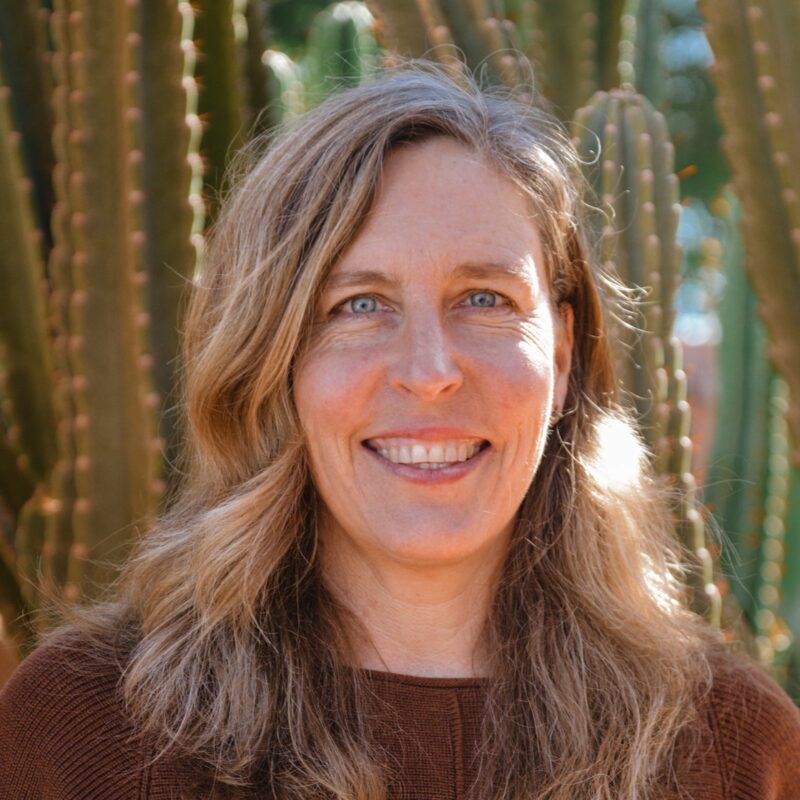
Managing Editor | Canary Media
Wendy Becktold is the Berkeley, CA-based Managing Editor at Canary Media, a national nonprofit news outlet that covers the clean energy transition and solutions to climate change. Before joining Canary Media, Wendy was Story Editor at Sierra magazine.
Victoria Chu

Director of Analytics and Chief Impact Officer | Industrious Labs
Victoria Chu, an analyst, technologist, and data visualization expert with 13+ years’ experience in climate and electric sector analytics, is the Director of Analytics and Chief Impact Officer at Industrious Labs, responsible for ensuring that the organization delivers measurable impacts in achieving its mission to transform the industrial sector for climate, justice, and jobs. Before joining Industrious Labs, Victoria led the development of data systems and evaluation models for the Sierra Club’s Beyond Coal Campaign.
Rushad Nanavatty
Managing Director | RMI’s Third Derivative
Rushad Nanavatty is the Managing Director of RMI’s Third Derivative, the world’s leading early-stage climate tech accelerator, which has helped 100+ startups, each with gigaton-scale emissions abatement potential, raise over $500 million in funding. Rushad’s previous roles have included: establishing the Global Cooling Prize global innovation competition; working with the Energy Web Foundation (EWF), a partnership between RMI and Grid Singularity; founding COO of WeGen Energy, an off-grid energy start-up in the Philippines and Vietnam; and working internationally on sustainability and infrastructure at McKinsey and Company.
Chemistry underpins 96% of all manufactured goods, but most materials and products are designed using processes that generate excess waste, rely on hazardous substances, generate carbon emissions, and cause long-term damage to human and environmental health. The root cause is upstream: sustainability has not been prioritized in the design of chemical and material products. Our educational systems need to be transformed to prepare chemists and scientists to design more sustainable products. John Warner, world-renowned inventor of green chemistry technologies, and Amy Cannon, a leading voice for systemic change in chemistry education will share their work on such key initiatives as the Green Chemistry Commitment, which equips universities to integrate green chemistry across curricula, research and training. These initiatives and more are enabling a new generation of scientists to create breakthrough technologies that will enable a more sustainable, circular and regenerative economy and society.
March 28th | 4:45 pm to 6:00 pm | Golden Bear Room, Hotel Shattuck Plaza
Panelists
John Warner
Inventor and Co-Founder of the Field of Green Chemistry
John Warner, Ph.D., one of the founders of the field of Green Chemistry who co-authored its defining text “Green Chemistry: Theory and Practice” (with Paul Anastas), is a chemistry inventor and entrepreneur who works to create commercial technologies inspired by nature consistent with the principles of green chemistry. He holds over 350 industrial chemistry patents, and his inventions have served as the basis for several new companies in photovoltaics, neurochemistry, construction materials, water harvesting, and cosmetics. John, who has received many prestigious awards from within the chemistry industry, government, academia and civil society organizations, has had a distinguished academic career, including as a tenured full-professor at UMASS Boston and Lowell. In 2007 he co-founded (with Amy Cannon) Beyond Benign, a non-profit dedicated to sustainability and green chemistry education. He holds academic appointments at Monash University in Australia, Chulalongkorn University in Thailand, Somaiya University in India, University of Birmingham in the UK, Rochester Institute of Technology in the US, and Technical University of Berlin in Germany where they have named the “John Warner Center for Start Ups in Green Chemistry.” John also currently serves as CEO and CTO of Technology Greenhouse.
Amy Cannon
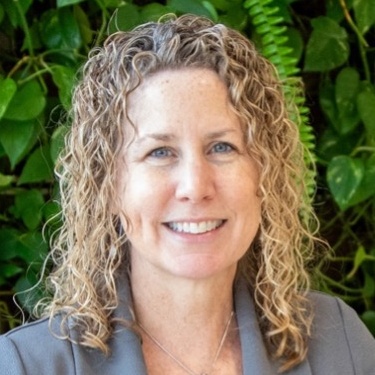
Co-Founder and Executive Director | Beyond Benign
Amy Cannon, Ph.D., co-founder and Executive Director of Beyond Benign, a global non-profit dedicated to green chemistry education, was the world’s first person to earn a doctorate in green chemistry and is a leading voice for systemic change in chemistry education to better prepare students and scientists to address global sustainability challenges. Prior to founding Beyond Benign, Amy worked in industry, including for Gillette and Rohm and Haas, and was an Assistant Professor at the University of Massachusetts Lowell. Amy is also very active in community-based work, including the global higher education program, the Green Chemistry Commitment, comprised of over 260 Universities worldwide; and the on-line teaching and learning community platform, the Green Chemistry Teaching and Learning Community (GCTLC).
Over 140 labor and community organizations have come together across the country to launch the “Living Wage for All” campaign, advancing bold visions and actions to address the affordability crisis, a centerpiece of which is raising the minimum wage closer to the actual cost of living (at least $25 nationwide and $30 in higher-cost regions) with no exceptions. Working people across the country are questioning the plea to ‘join us to save democracy’ when democracy has not worked for them, as they have to work multiple jobs and still aren’t able to make ends meet. Come and hear about how this coalition is demonstrating that democracy can deliver on working people’s top concern, their survival, in order to restore faith in the idea that democracy is worth saving, and how you can join this campaign. With: Saru Jayaraman,President, One Fair Wage; Angela Glover Blackwell, renowned Civil Rights and democracy and equity activist, now “Founder-in-Residence” at PolicyLink, the highly influential organization she started in 1999; and award-winning author, filmmaker, scholar, and one of the planet’s leading experts on and advocate for a just food system, Raj Patel.
March 28th | 4:45 pm to 6:00 pm | Goldman Theater, Brower Center
Panelists
Saru Jayaraman

President | One Fair Wage
Saru Jayaraman (JD, Yale, MPP Harvard), an academic at UC Berkeley and a renowned labor activist, is President of One Fair Wage, which organizes to raise wages and end sub-minimum wages nationwide. She has won numerous awards for her activism, including being named: one of CNN’s “Top10 Visionary Women,” a White House Champion of Change, a James Beard Foundation Leadership Award winner, and a San Francisco Chronicle ‘Visionary of the Year.’ Saru, who is interviewed and cited frequently in major media outlets, is author of: Behind the Kitchen Door; Forked: A New Standard for American Dining; and One Fair Wage: Ending Subminimum Pay in America.
Angela Glover Blackwell
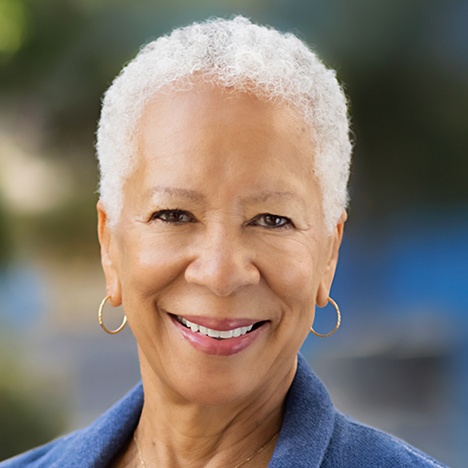
Founder in Residence | PolicyLink
Angela Glover Blackwell, “Founder in Residence” at PolicyLink, the organization she started in 1999 to advance racial and economic equity for all, gained national prominence in the movement to use public policy to improve access and opportunity for all low-income people and communities of color, particularly in the areas of health, housing, transportation, and infrastructure. Angela is also the host of the Reimagining Democracy for a Good Life podcast and Professor of Practice at the Goldman School of Public Policy, University of California, Berkeley.
Raj Patel
Activist, Journalist, and Filmmaker
Raj Patel, an award-winning author, film-maker and academic, is a Research Professor in the Lyndon B Johnson School of Public Affairs at the University of Texas, Austin who has worked for the World Bank and WTO but also protested against them around the world and testified about the causes of the global food crisis to the US, UK and EU governments. A member of the International Panel of Experts on Sustainable Food Systems and of the council of Progressive International, he has written extensively for a range of scholarly journals in economics, philosophy, politics and public health and also contributes frequently to a range of other publications, including The Guardian, Financial Times, New York Times, and Scientific American. He is the author of: Stuffed and Starved: The Hidden Battle for the World Food System and The Value of Nothing, and co-author of: A History of the World in Seven Cheap Things and (with Rupa Marya) of: Inflamed: Deep Medicine and The Anatomy of Injustice. His first film, co-directed with Zak Piper, is the award-winning documentary The Ants & The Grasshopper. He also co-hosted the food politics podcast The Secret Ingredient.
One might think, in this reactionary era in which slews of corporations that formerly claimed to be concerned about climate and equity race to ditch their ESG and DEI departments and flaunt their regression to amoral greed, that the heyday of eco and socially conscious business is long behind us, but that would be far too hasty a conclusion. In fact, there are a few long-standing, exemplary, mission-driven, independent enterprises that have held on to their values and commitments and have, while remaining eminently profitable, kept refining and strengthening their ethical performance over the years, and one of the boldest new models of a path forward in this domain is Dr. Bronner’s Purpose Pledge. In this panel, Les Szabo, Chief Strategy & Impact Officer at Dr. Bronner’s, will host a session with three other groundbreaking business leaders, as they share their philosophies, initiatives and approaches. With: Ben Mand, CEO, Yerba Madre; Lara Dickinson, co-founder/Executive Director of One Step Closer (OSC); and the renowned visionary entrepreneur and thinker on innovation and longterm planning, Eric Ries, creator of the Lean Startup method and bestselling author.
March 28th | 4:45 pm to 6:00 pm | Crystal Ballroom, Hotel Shattuck Plaza
Panelists
Les Szabo
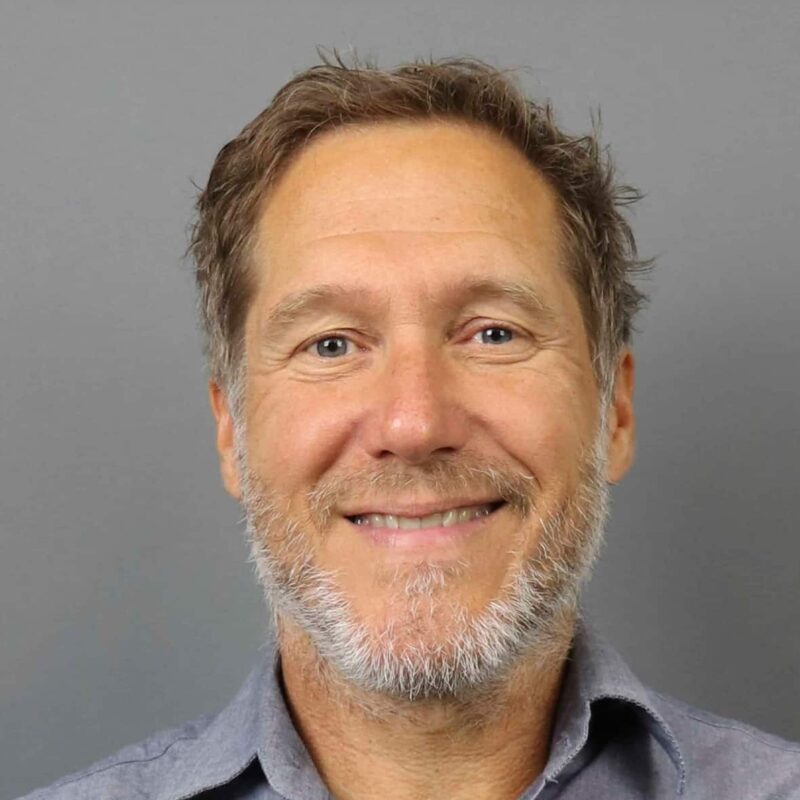
Chief Strategy & Impact Officer | Dr. Bronner’s
Les Szabo, Chief Strategy & Impact Officer at Dr. Bronner’s, the top-selling natural brand of soap in North America, joined the company in 2013. He leads its strategic planning, supports key business initiatives that enhance organizational capabilities and drive growth, and oversees Dr. Bronner’s Planning, Philanthropy & Impact Investing, International Markets, and E-Commerce departments, as well as serving on Dr. Bronner’s Executive Council and Board of Directors. His work is informed by over twenty years’ experience working in the natural products and apparel industries, including as a co-founder of the Living Harvest, Dunderdon, and Infinity Sport brands.
Lara Dickinson
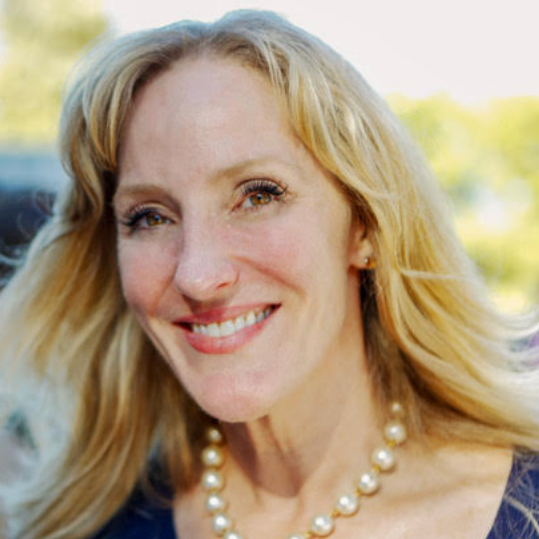
Co-Founder and Executive Director | One Step Closer (OSC)
Lara Dickinson, a thought leader in the natural products industry for some 30 years, has catalyzed many collaborations that have reshaped that sector and continue to do so. As co-founder and Executive Director of One Step Closer (OSC), Lara has helped a number of purpose-driven CEOs build and refine regenerative business models. Lara’s long career has included many multiple executive leadership roles, including with the Climate Collaborative, J.E.D.I. Collaborative, OSC Packaging Collaborative, OSC Women’s Circles, and the Purpose Pledge.
Ben Mand
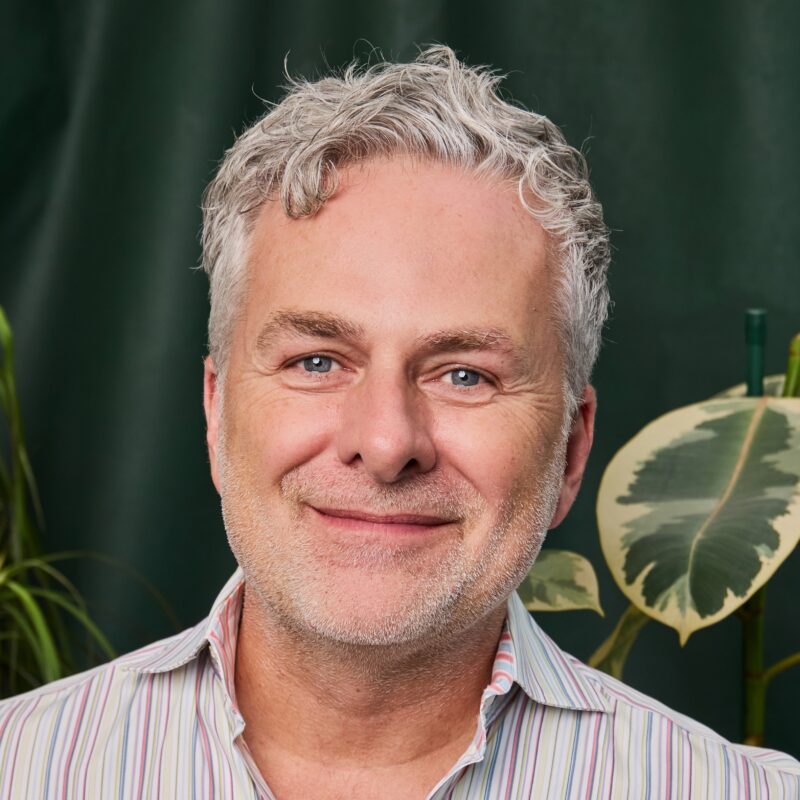
CEO | Yerba Madre
Ben Mand, the CEO of Yerba Madre, is the driving force behind Yerba Madre’s regenerative mission, leading initiatives to certify more of their products and ingredients to the ROC Gold level, conserve and restore Brazil’s Atlantic Forest, and improve the livelihoods of producers and harvesters. Previously, as the CEO of Harmless Harvest, Ben restructured the company’s supply chain, achieving 100% zero waste, converting to 100% rPET bottles, and implemented regenerative agricultural practices across 50% of their farms. Prior to Harmless Harvest, Ben worked in various brand-marketing and innovation roles at leading companies including Plum Organics, General Mills, Johnson & Johnson, and Interbrand.
Eric Ries
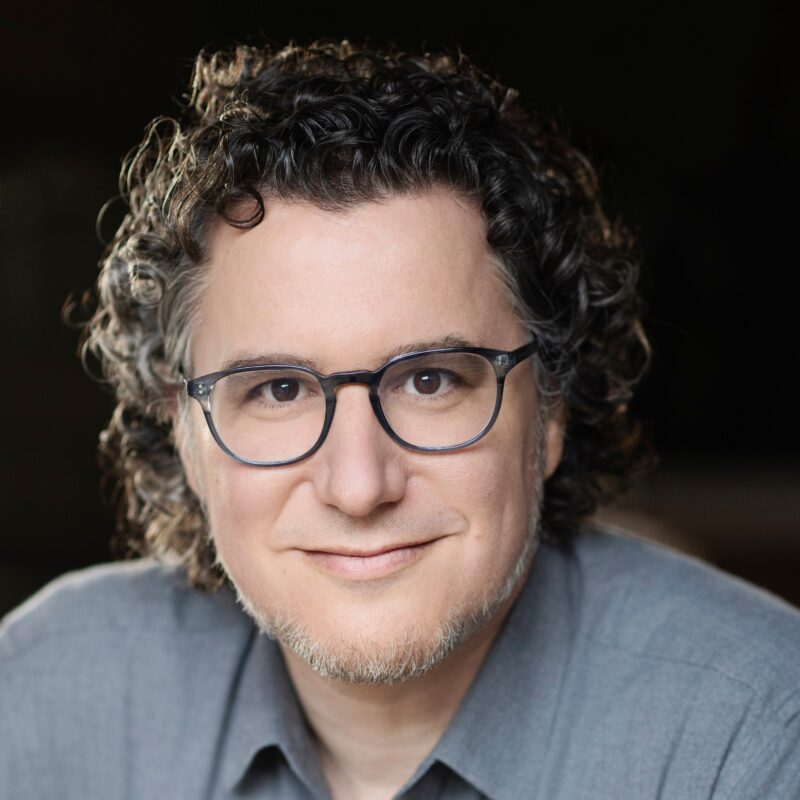
Entrepreneur and Author
Eric Ries, creator of the Lean Startup method and the author of the bestselling books: The Lean Startup; The Leader’s Guide; The Startup Way; and, most recently, Incorruptible: Why Good Companies Go Bad…and How Great Companies Stay Great, has been a highly influential advocate for long-term thinking and continuous innovation in business for two decades. He has founded a number of successful enterprises in a variety of domains and hosts a very popular podcast, The Eric Ries Show, that features world-class technologists, visionaries, and executives working to build profitable companies for the long-term benefit of society.
