
Thursday, March 26th
Climate volatility, political upheaval, and disruptive technologies are driving increased uncertainty in our lives, but across the planet life not only survives but can thrive in extreme conditions prone to dynamic fluctuations from volcano-forged forests to intertidal zone communities adapted to constant flux to desert creatures that have to optimize scarcity. Some species even thrive in extreme, deep-sea hydrothermal vents and inside the nuclear reactor of Chernobyl! In this session, we will engage in guided group activities to explore how such ecosystems can serve as teachers, inspiring us to find our own adaptive strategies for navigating extremes, including flexible niche-finding, frugality, opportunism, mutualism, and modularity. We’ll leave equipped with a nature-inspired toolkit for building resilience, clarity, and adaptability in turbulent times. Hosted by Biomimicry for Social Innovation (BSI), with: Gina LaMotte, BSI’s Managing Director, Capri LaRocca, BSI Engagement & Learning Lead; and Deb Bidwell, Science Advisor and Senior Instructor.
March 26th | 3:00 pm to 4:15 pm | Campanile Room, 6th Floor, Hotel Shattuck Plaza
Panelists
Gina LaMotte
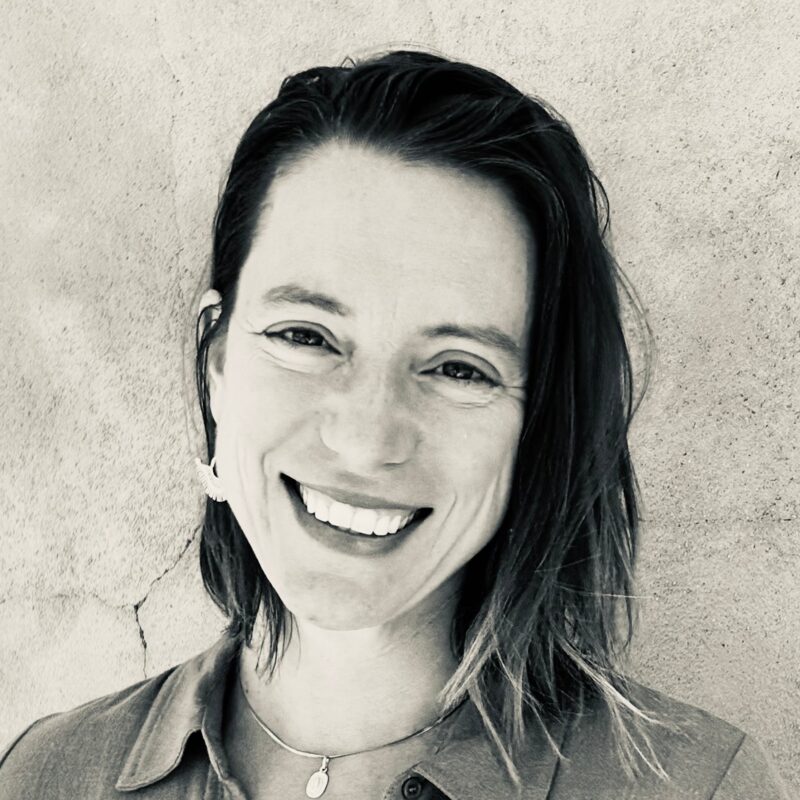
Managing Director | Biomimicry for Social Innovation
Gina LaMotte, Managing Director of Biomimicry for Social Innovation, has 25 years’ experience working in biomimicry, systems-change, social innovation, design thinking, and climate justice. In 2008, she founded EcoRise, a nonprofit supporting thousands of K-12 schools nationwide with programs centering youth leadership to advance climate action, sustainability and environmental justice. She also created Gen:Thrive, which provides network mapping and data visualization tools to advance health, equity, and climate resilience in K-12 schools.
Deb Bidwell
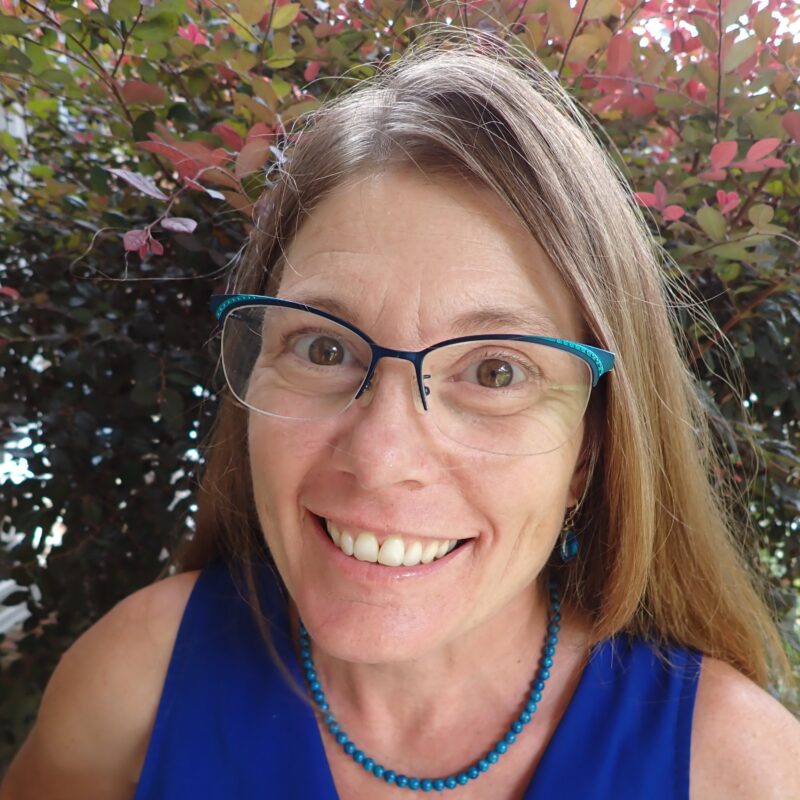
Science Advisor | Biomimicry for Social Innovation
Deborah (Deb) Bidwell is a Senior Biology Instructor at College of Charleston, a science advisor at Biomimicry for Social Innovation, and a freelance consultant at Chickadee Biomimicry. A Certified Biomimicry Professional, Deb specializes in translating biology for regenerative design, biomimicry pedagogy, and curriculum development. Her recent projects include: The Nature of Trust, Nature Positive Practices, Beloved Economies, and Biomimicry on The Ray.
Capri LaRocca
Engagement & Learning Lead | Biomimicry for Social Innovation
Capri LaRocca, an educator and designer, formerly served as Director of Experiential Learning at the Minerva Project and is now a facilitator at The Strother School for Radical Attention and the Engagement and a Learning Lead at Biomimicry for Social Innovation. For over a decade, she has partnered with universities and change-makers globally to reimagine learning in the light of living systems thinking.
More than two billion people globally suffer from micronutrient deficiencies, and several USDA studies show that there have been significant declines in essential nutrients in a number of food crops over the past 50 years, as the juggernaut of industrialized agriculture has swept the globe. Fortunately, emerging research is finding that healthy farm soils increase the nutrient density of plants, which implies that authentic regenerative farming practices, along with their many benefits to farmers and ecosystems, can reverse that degenerative 50-year trend and help us create a genuinely healthy food system. With: Mary Purdy of the Nutrient Density Alliance and Dan Kittredge of the Bionutrient Food Association. Moderated by Arty Mangan, Director of the Bioneers Restorative Food Systems program.
March 26th | 3:00 pm to 4:15 pm | Magnes Museum
Panelists
Mary Purdy

Managing Director | Nutrient Density Initiative
Mary Purdy, MS, RDN, an integrative eco-dietitian, working at the intersection of sustainable food systems and climate and human health, spent 13+ years in clinical practice, taught for 8 years at Bastyr University in Seattle, and is currently Managing Director of the Nutrient Density Initiative that works to connect the dots between soil health and nutrient-rich food. Also on the adjunct faculty at The Culinary Institute of America's Master’s Program in Sustainable Food Systems, she speaks widely on nutrition, sustainability and regenerative agriculture. With 130+ podcast episodes and two books under her belt, Mary is a leading voice on how to foster resilient, just, and healthy food systems.
Arty Mangan
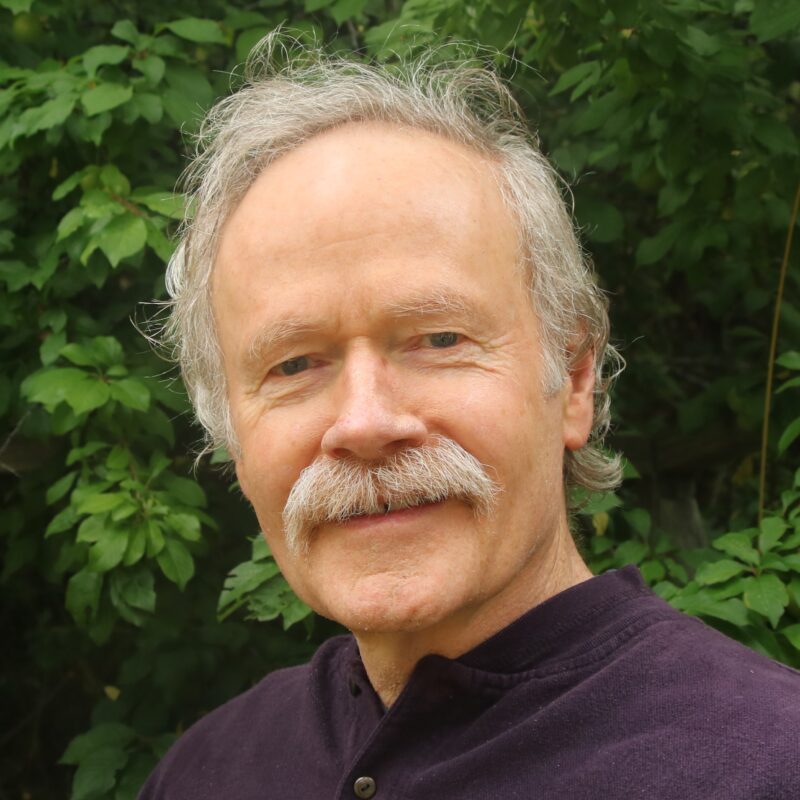
Restorative Food Systems Director | Bioneers
Arty Mangan, Director of the Bioneers Restorative Food Systems program, worked as farm worker and local food entrepreneur. He has also worked with Indigenous farmers growing traditional crops and with Black farmers developing ecological agricultural trainings. His current focus is on the intersection of climate and regenerative agriculture. Mangan is a former board president of the Ecological Farming Association.
Dan Kittredge
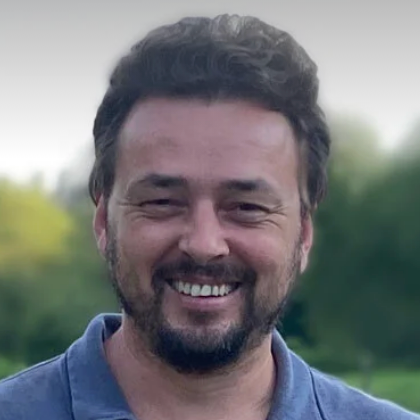
Executive Director | Bionutrient Food Association
Dan Kittredge, founder and Executive Director of the Bionutrient Food Association & The Bionutrient Institute, is a lifelong farmer, educator, and passionate advocate for growing nutrient-dense food. With decades of experience in regenerative agriculture and soil science, he has made it his mission to empower farmers, gardeners, and consumers to unlock the full potential of their crops and landscapes based on the inseparability of soil health, plant vitality, and human well-being, and a fundamental understanding of food quality as the central tenet of health and sustainability.
Friday, March 27th
Renowned science fiction author, activist and journalist Cory Doctorow coined the term “enshittification” in 2022 to describe the degradation of online platforms. Today, he will draw from his most recent nonfiction book, Enshittification: Why Everything Suddenly Got Worse and What to Do About It, to assure us that it’s not our imaginations: the internet does indeed suck now. And this isn’t the result of great historical forces or iron laws of economics: it’s caused by specific policy choices made in living memory by named individuals, but Cory will argue that we aren’t helpless prisoners of the depraved foolishness of early 21st century policymakers. We can – and we must – break free of the prison they built for us, consigning their terrible ideas to the scrap-heap of history, so we can create a new, good internet that is fit to serve as the digital nervous system of this fraught young century.
March 27th | 11:46 am to 12:08 pm | Zellerbach Hall
Introduced by
Zephyr Teachout
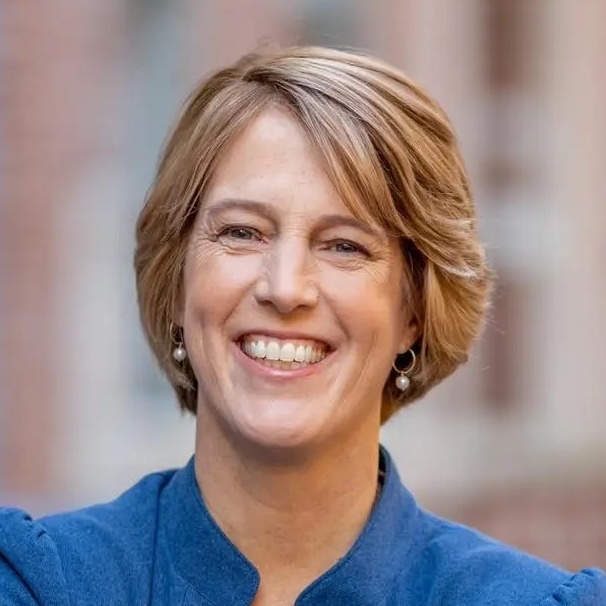
Professor of Law | Fordham Law School
Zephyr Teachout, Professor of Law at Fordham Law School, is a renowned and influential expert on the intersection of corporate and political power. She is the author of Corruption in America, which traces the history of what corruption has meant at different times in our history and, most recently of: Break 'em Up, which makes a case for reimagining the relationship between democracy and antimonopoly law. Zephyr also ran for Governor and Attorney General of New York State, getting the New York Times endorsement in the latter race, and is a leading figure in national antimonopoly and democracy defense movements.
Cory Doctorow

Technology Journalist and Science Fiction Author
Cory Doctorow, a renowned, award-winning science fiction author, activist, and journalist, is the author of dozens of books, most recently, Enshittification: Why Everything Suddenly Got Worse and What to Do About It, (nonfiction); and the novels Picks and Shovels and The Bezzle. His other notable books include the “solar-punk” novels Walkaway and The Lost Cause, and the tech policy books The Internet Con and Chokepoint Capitalism. Cory also: maintains a daily blog at Pluralistic.net; works for the Electronic Frontier Foundation; and is: an AD White Professor at Cornell University; an MIT Media Lab Research Affiliate; a Visiting Professor of Computer Science at Open University; a Visiting Professor of Practice at the University of North Carolina’s School of Library and Information Science; and a co-founder of the UK Open Rights Group.
Saturday, March 28th
John Warner, one of the co-founders of the entire field of “Green Chemistry” who co-authored its defining text and co-articulated its core principles, works to create commercial technologies inspired by nature. An inventor with over 300 patents who has received countless prestigious awards, he has also been, with his wife, Amy Cannon, a thought leader and prime mover of green chemistry education. In this talk, he will share his vision of how we can draw from the molecular design genius of nature, which has been running countless rigorous chemistry experiments for nearly 4 billion years, to create benign products and technologies that provide for human needs without contaminating the biosphere and endangering our health.
March 28th | 9:38 am to 10:00 am | Zellerbach Hall
Introduced by
Kenny Ausubel
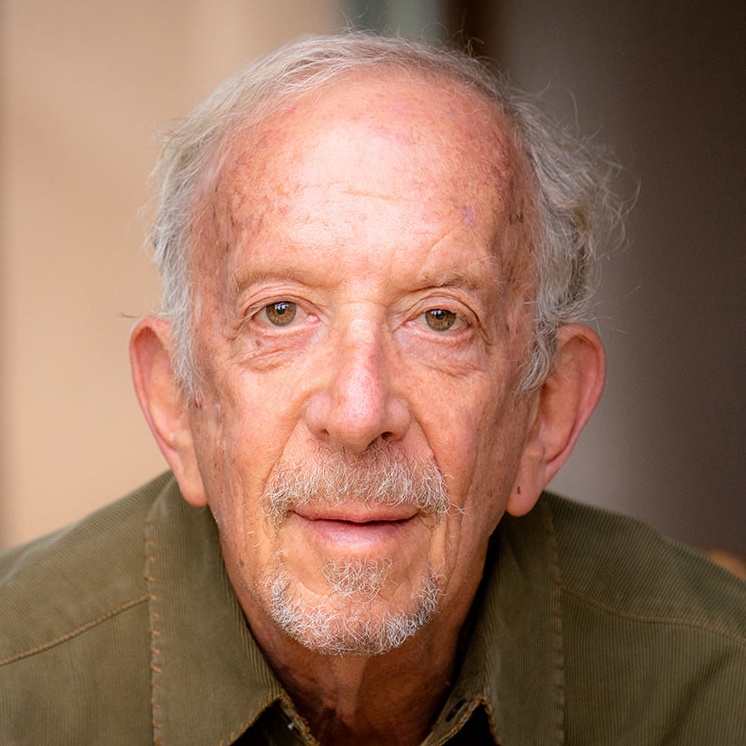
CEO and Co-Founder | Bioneers
Kenny Ausubel, CEO and co-founder (in 1990) of Bioneers, is an award-winning social entrepreneur, journalist, author and filmmaker. Co-founder and first CEO of the organic seed company, Seeds of Change, his film (and companion book) Hoxsey: When Healing Becomes a Crime helped influence national alternative medicine policy. He has edited several books and written four, including, most recently, Dreaming the Future: Reimagining Civilization in the Age of Nature.
John Warner
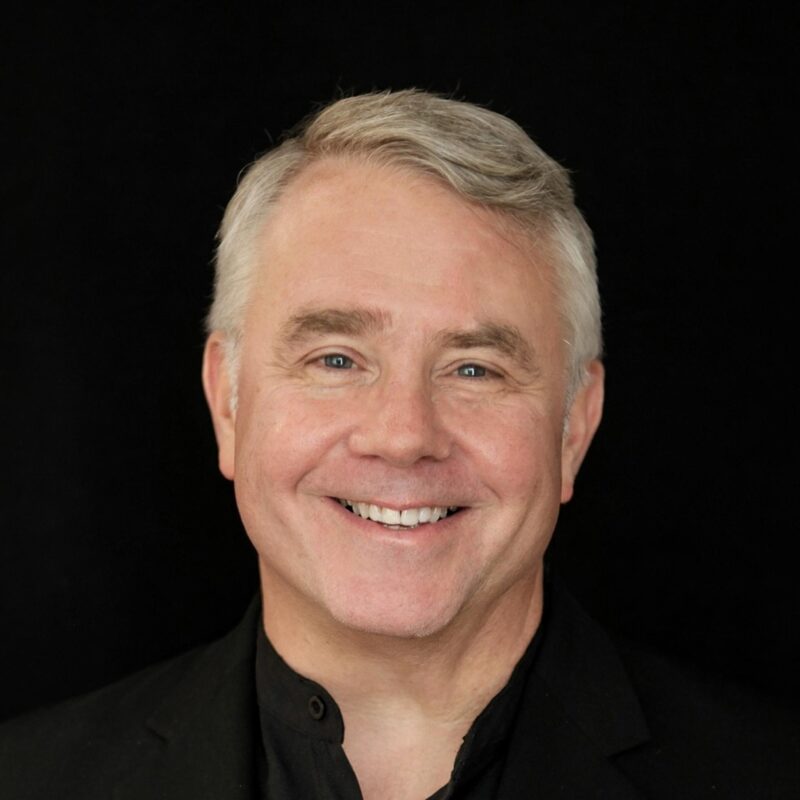
Inventor and Co-Founder of the Field of Green Chemistry
John Warner, Ph.D., one of the founders of the field of Green Chemistry who co-authored its defining text “Green Chemistry: Theory and Practice” (with Paul Anastas), is a chemistry inventor and entrepreneur who works to create commercial technologies inspired by nature consistent with the principles of green chemistry. He holds over 350 industrial chemistry patents, and his inventions have served as the basis for several new companies in photovoltaics, neurochemistry, construction materials, water harvesting, and cosmetics. John, who has received many prestigious awards from within the chemistry industry, government, academia and civil society organizations, has had a distinguished academic career, including as a tenured full-professor at UMASS Boston and Lowell. In 2007 he co-founded (with Amy Cannon) Beyond Benign, a non-profit dedicated to sustainability and green chemistry education. He holds academic appointments at Monash University in Australia, Chulalongkorn University in Thailand, Somaiya University in India, University of Birmingham in the UK, Rochester Institute of Technology in the US, and Technical University of Berlin in Germany where they have named the “John Warner Center for Start Ups in Green Chemistry.” John also currently serves as CEO and CTO of Technology Greenhouse.
A growing body of evidence clearly shows that the health of urban dwellers and the health of the natural systems they live within are directly linked. Historically, privileged parts of urban landscapes have been managed primarily for aesthetic beauty and property value, not for their integral ecological role in the more-than-human world, and disenfranchised communities have been burdened with toxic sites and deprived of parks and tree cover. How can we create cooler, far less polluted and far healthier, safer and fairer urban spaces? In this session, three visionary urban activists and thought leaders from different parts of the country will share their stories and strategies that reveal how we can marshal biodiversity, social diversity, and human/nature collaborations to protect, enliven and empower our cities. Hosted by Brett KenCairn, founding Director of the Center for Regenerative Solutions and Senior Division Manager for Nature-based Climate Solutions for the City of Boulder. With: Elliott J. Royal, Executive Director of Charlotte, North Carolina’s West Blvd Neighborhood Coalition (WBNC); Tanner Yess, a co-founder of Groundwork Ohio River Valley who led the creation of one of the nation’s largest youth green workforce programs.
March 28th | 3:00 pm to 4:15 pm | Golden Bear Room, Hotel Shattuck Plaza
Panelists
Brett KenCairn
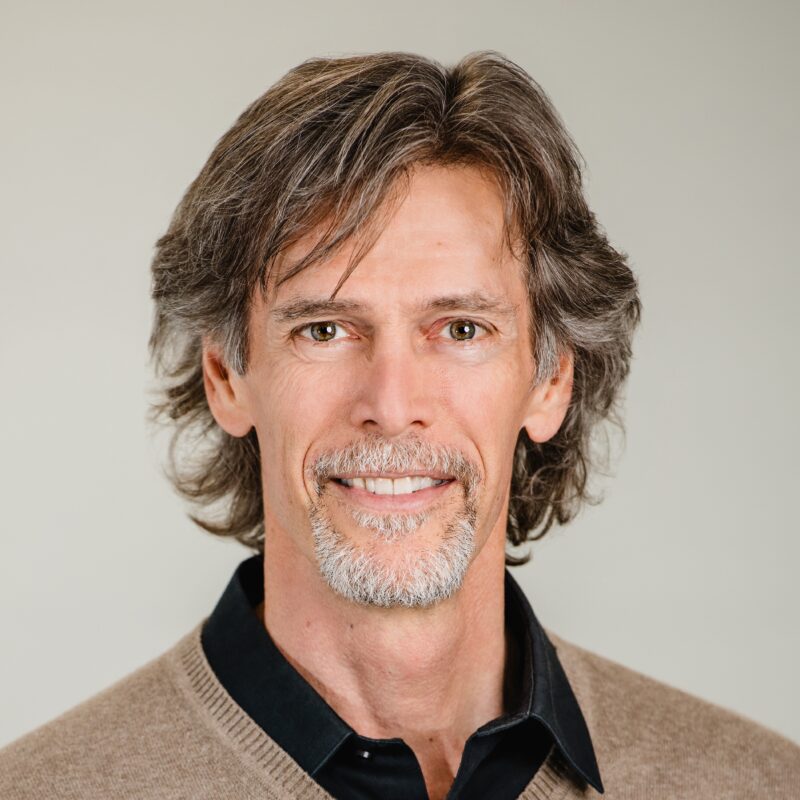
Founding Director | Center for Regenerative Solutions
Brett KenCairn, founding Director of the Center for Regenerative Solutions and Senior Division Manager for Nature-based Climate Solutions for the City of Boulder’s Climate Initiatives Department, has throughout his career supported community-based initiatives across the western U.S., particularly in rural, Native American, and other marginalized communities. He also co-founded several organizations, including: the Rogue River Institute for Ecology and Economy; Indigenous Community Enterprises; Veterans Green Jobs; and Community Energy Systems.
Elliott Royal
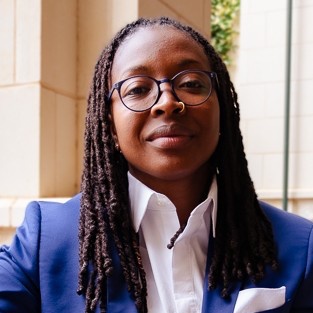
Executive Director | West Blvd Neighborhood Coalition
Elliott J. Royal, Executive Director of Charlotte, North Carolina’s West Blvd Neighborhood Coalition (WBNC), spearheads initiatives aimed at advancing equity, education, and economic mobility along Charlotte’s West Boulevard Corridor. She has long been deeply engaged in her community, working to strengthen resident involvement and build partnerships. Among other projects, Elliott oversees the Seeds for Change farm and its youth honey enterprise, is establishing a Youth Advisory Council, and is leading the launch of Three Sisters Market, a community-owned food cooperative designed to improve food access and health equity for the Black community, which has been without a full-service grocery store for 36+ years.
Tanner Yess

Youth and Workforce Officer | Groundwork USA
Tanner Yess, a co-founder of Groundwork Ohio River Valley and Groundwork USA’s Youth and Workforce Officer, has led the creation of one of the nation’s largest youth green workforce programs and brought Climate Safe Neighborhoods to Cincinnati. An alumnus of the Peace Corps who worked on a fishing vessel in the Bering Sea after earning a degree in ecology and co-founded Cincinnati’s Tri-State Trails Coalition, he is also a National Park Service “Mountains to Main Street” Ambassador; SHIFT Emerging Leader; and recipient of the 2018 Murie Center Rising Leader Award.
The clean energy transition is in a moment of tremendous flux. Here in the U.S., the current administration is doing its best to derail progress, ending tax credits meant to spur development of renewables, creating arbitrary regulatory barriers, and propping up dirty coal plants. These setbacks are deeply alarming for anyone who cares about the climate crisis, but around the world, and even here at home, the transition is still moving forward in hopeful ways. Thanks primarily to falling costs, almost all new power generation in the U.S. is now carbon-free. Meanwhile, China is flooding the world with cheap solar panels and Europe is about to start building the largest offshore wind installation yet. The influx of good and bad news can be hard to make sense of even for those paying close attention. In this session, several leading clean energy experts will walk us through the data and offer their big-picture takes on where things really stand. Hosted by Wendy Becktold of Canary Media. With: Victoria Chu, Partner at Industrious Labs; Rushad Nanavatty, Managing Director of RMI’s Third Derivative.
March 28th | 3:00 pm to 4:15 pm | Goldman Theater, Brower Center
Panelists
Wendy Becktold
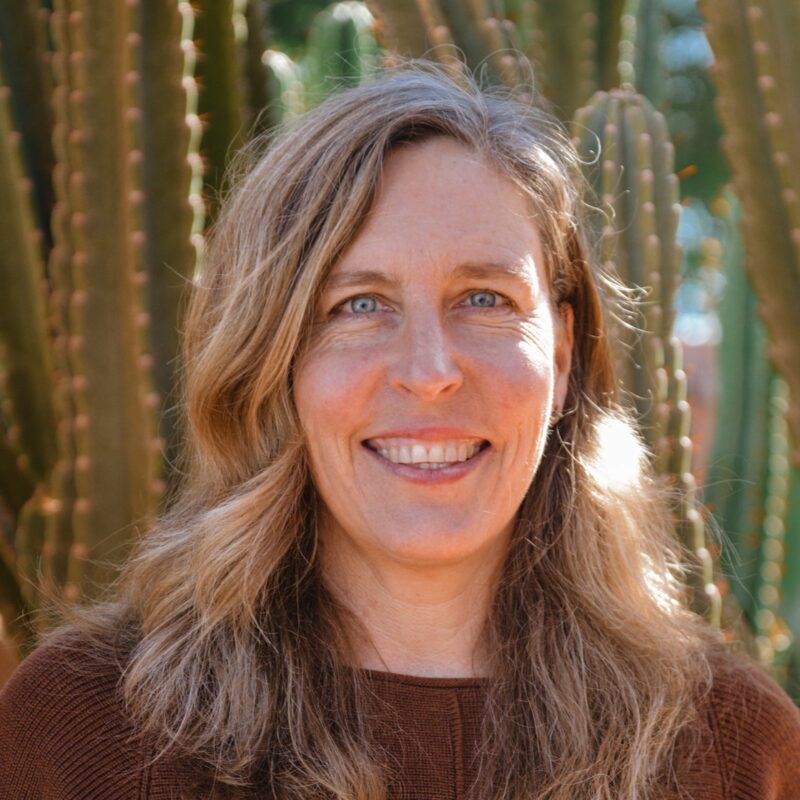
Managing Editor | Canary Media
Wendy Becktold is the Berkeley, CA-based Managing Editor at Canary Media, a national nonprofit news outlet that covers the clean energy transition and solutions to climate change. Before joining Canary Media, Wendy was Story Editor at Sierra magazine.
Victoria Chu

Director of Analytics and Chief Impact Officer | Industrious Labs
Victoria Chu, an analyst, technologist, and data visualization expert with 13+ years’ experience in climate and electric sector analytics, is the Director of Analytics and Chief Impact Officer at Industrious Labs, responsible for ensuring that the organization delivers measurable impacts in achieving its mission to transform the industrial sector for climate, justice, and jobs. Before joining Industrious Labs, Victoria led the development of data systems and evaluation models for the Sierra Club’s Beyond Coal Campaign.
Rushad Nanavatty
Managing Director | RMI’s Third Derivative
Rushad Nanavatty is the Managing Director of RMI’s Third Derivative, the world’s leading early-stage climate tech accelerator, which has helped 100+ startups, each with gigaton-scale emissions abatement potential, raise over $500 million in funding. Rushad’s previous roles have included: establishing the Global Cooling Prize global innovation competition; working with the Energy Web Foundation (EWF), a partnership between RMI and Grid Singularity; founding COO of WeGen Energy, an off-grid energy start-up in the Philippines and Vietnam; and working internationally on sustainability and infrastructure at McKinsey and Company.
Chemistry underpins 96% of all manufactured goods, but most materials and products are designed using processes that generate excess waste, rely on hazardous substances, generate carbon emissions, and cause long-term damage to human and environmental health. The root cause is upstream: sustainability has not been prioritized in the design of chemical and material products. Our educational systems need to be transformed to prepare chemists and scientists to design more sustainable products. John Warner, world-renowned inventor of green chemistry technologies, and Amy Cannon, a leading voice for systemic change in chemistry education will share their work on such key initiatives as the Green Chemistry Commitment, which equips universities to integrate green chemistry across curricula, research and training. These initiatives and more are enabling a new generation of scientists to create breakthrough technologies that will enable a more sustainable, circular and regenerative economy and society.
March 28th | 4:45 pm to 6:00 pm | Golden Bear Room, Hotel Shattuck Plaza
Panelists
John Warner
Inventor and Co-Founder of the Field of Green Chemistry
John Warner, Ph.D., one of the founders of the field of Green Chemistry who co-authored its defining text “Green Chemistry: Theory and Practice” (with Paul Anastas), is a chemistry inventor and entrepreneur who works to create commercial technologies inspired by nature consistent with the principles of green chemistry. He holds over 350 industrial chemistry patents, and his inventions have served as the basis for several new companies in photovoltaics, neurochemistry, construction materials, water harvesting, and cosmetics. John, who has received many prestigious awards from within the chemistry industry, government, academia and civil society organizations, has had a distinguished academic career, including as a tenured full-professor at UMASS Boston and Lowell. In 2007 he co-founded (with Amy Cannon) Beyond Benign, a non-profit dedicated to sustainability and green chemistry education. He holds academic appointments at Monash University in Australia, Chulalongkorn University in Thailand, Somaiya University in India, University of Birmingham in the UK, Rochester Institute of Technology in the US, and Technical University of Berlin in Germany where they have named the “John Warner Center for Start Ups in Green Chemistry.” John also currently serves as CEO and CTO of Technology Greenhouse.
Amy Cannon
Co-Founder and Executive Director | Beyond Benign
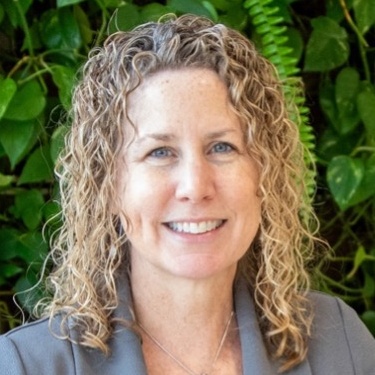
Amy Cannon, Ph.D., co-founder and Executive Director of Beyond Benign, a global non-profit dedicated to green chemistry education, was the world’s first person to earn a doctorate in green chemistry and is a leading voice for systemic change in chemistry education to better prepare students and scientists to address global sustainability challenges. Prior to founding Beyond Benign, Amy worked in industry, including for Gillette and Rohm and Haas, and was an Assistant Professor at the University of Massachusetts Lowell. Amy is also very active in community-based work, including the global higher education program, the Green Chemistry Commitment, comprised of over 260 Universities worldwide; and the on-line teaching and learning community platform, the Green Chemistry Teaching and Learning Community (GCTLC).
