
Wednesday, March 25th
Meeting Place
Residence Inn Berkeley @ 2121 Center St, Berkeley, CA 94704 at the The Ashby Room, ground floor.
Participants are encouraged to meet in the hotel lobby as early as 8:30 AM to mingle, relax, and start the registration process.
Attendees MUST check in by 9:00 AM to allow sufficient time for registration with BAGT staff and help ensure that the buses depart at 9:30 AM sharp.
2026 Tour Stops include West Oakland Farm Park, Prescott Market where guests may bring or buy lunch, a visit toMalcolm X School Garden (an Edible Schoolyard), and Berkeley’sAquatic Park including the nearby Shorebird Nature Center andWaterfront Cesar Chavez Park.
Join Bay Area Green Tours for a full-day experience that brings regenerative solutions to life and is designed to spark inspiration and hope. Space is limited — reserve your spot today, and experience the power of community-driven innovation in action.
- Experience real-world climate action firsthand
- Meet local climate and food-justice changemakers
- Learn about the local watershed, the original San Francisco shoreline, and nature-based solutions for sea-level rise and stormwater management
- Enjoy networking and guided conversations on practical solutions for climate resilience
- Learn how East Bay communities are building a more equitable food system
- Each year, the tour sparks new friendships that often carry on through the conference and beyond
West Oakland Farm Park – An expansive community space with vibrant green spaces and gardens where fresh food is grown, and art installations that reflect local culture
Prescott Market – A food hall and community gathering space that features a diverse mix of local eateries, uniting residents, food makers, local business and creators.
Malcolm X School Garden – A model for urban agriculture where children can learn to grow, observe and eat their plants!
Aquatic Park – A living watershed where land and Bay waters meet, making it a place to experience the natural connections between farming, water, and the Bay.
We’ll end the day at the Berkeley Marina with spectacular views of the iconic San Francisco Bay and an overview of its history and stormwater management.
You’ll then have two options:
- Return by the BAGT bus to downtown Berkeley two miles away by 5:00
- Opt to stay to watch the sunset (7:26) on the iconic SF Bay with the city, the Golden Gate Bridge, and Mount Tamalpais in the distance.
There are several restaurants where you can stay to eat by the waterfront with your new and old friends from the tour: Skate’s On The Bay, Berkeley Boathouse, Hana Japan.
Lunch is not included. Attendees can bring their lunch or purchase it at Prescott Market in West Oakland. No Bioneers Conference ticket required.
Meeting Place
Residence Inn Berkeley @ 2121 Center St, Berkeley, CA 94704 at the The Ashby Room, ground floor.
Participants are encouraged to meet in the hotel lobby as early as 8:30 AM to mingle, relax, and start the registration process.
Attendees MUST check in by 9:00 AM to allow sufficient time for registration with BAGT staff and help ensure that the buses depart at 9:30 AM sharp.
Walk-up registration is still available for the Pre-Conference Urban Foodscape and Watershed Tour. If you plan to register on-site, please arrive by 8:30 AM to allow enough time to complete the process. Participants are encouraged to gather to mingle and relax, after registration until the tour program starts.
Residence Inn Berkeley, 2121 Center St, Berkeley, CA
Wednesday 3/25/26 at 8:30 AM in The Ashby Room, ground floor.
Cost: $145, payable with cash, check or venmo
March 25th | 9:00 am to 5:00 pm
Note: A separate Registration $145 fee is required for this event.
Thursday, March 26th
Bioneers is delighted to bring together three visionary thinkers from very different fields but all at the cutting edge of our understanding of life on our planet. Ferris Jabr, bestselling author of one of the most masterful books of scientific journalism in years, Becoming Earth, has elevated the discourse surrounding the Gaia Hypothesis to a higher octave, elucidating Earth’s dynamic, self-regulating systems continuously transformed by biological processes. Jeannette Armstrong, traditional knowledge keeper of the Okanagan syilx Nation and Full Professor and Coordinator of Interior Salishan Language Studies at the University of British Columbia Okanagan, will bring an indispensable, foundational Indigenous perspective. And world-renowned Forest Ecologist Suzanne Simard, a groundbreaking figure in the study of plant communication and intelligence, author of the highly influential, bestselling Finding the Mother Tree, is just now releasing her newest book, When the Forest Breathes. They will share their insights into how life shapes Earth and explore humanity’s immense responsibility to secure the vitality of the planet, especially in light of what First Peoples have long known and what modern science is discovering about the profound interconnectedness of all life and the myriad intelligences that permeate our world. Moderated by Kimberly Carfore, Ph.D., professor in the Environmental Studies and the Theology and Religious Studies departments at the University of San Francisco.
March 26th | 4:45 pm to 6:00 pm | Freight & Salvage
Panelists
Jeannette Armstrong
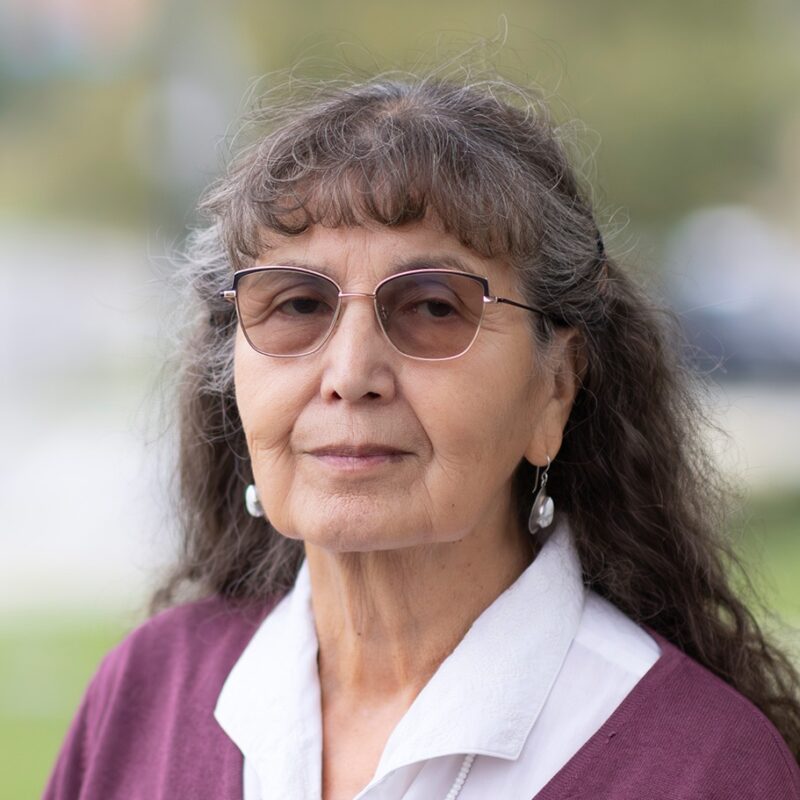
Associate Professor | University of British Columbia Okanagan
Jeannette Armstrong, (lax̌lax̌tkʷ), Ph.D., of syilx Okanagan ancestry, is a fluent speaker, language teacher and knowledge keeper of Syilx Okanagan; a professor at UBC Okanagan; and Coordinator of that university’s Interior Salishan Languages programs. A recipient of the Eco Trust USA Buffett Award in Indigenous Leadership, Jeannette serves on Canada’s Aboriginal Traditional Knowledge Subcommittee of the Committee on the Status of Endangered Wildlife in Canada and is a lifetime fellow of the Royal Society of Canada and an officer of the Order of Canada.
Ferris Jabr
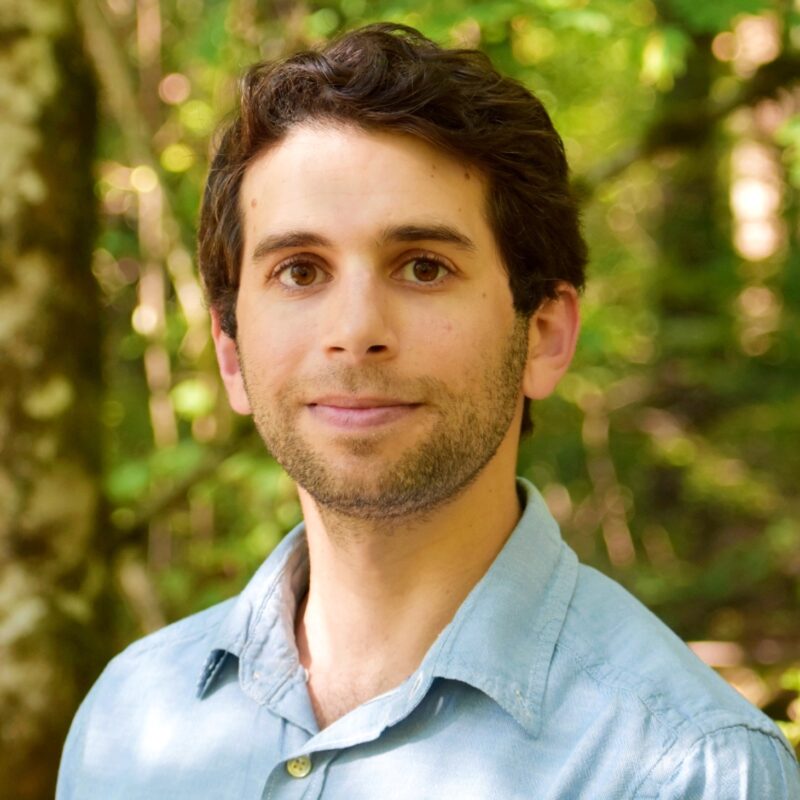
Bestselling Author and NY Times Magazine Writer
Ferris Jabr, a contributing writer for The New York Times Magazine, is the author of the bestselling Becoming Earth, which reviewers have described as an “infectiously poetic” “masterwork” that “earns its place alongside the best of today’s essential popular science books.” Ferris has also written for The New Yorker, The Atlantic, National Geographic, and Scientific American and has received fellowships and grants from Yale, MIT, UC Berkeley, the Pulitzer Center, and the Whiting Foundation. His work has been anthologized in four editions of The Best American Science and Nature Writing series.
Suzanne Simard
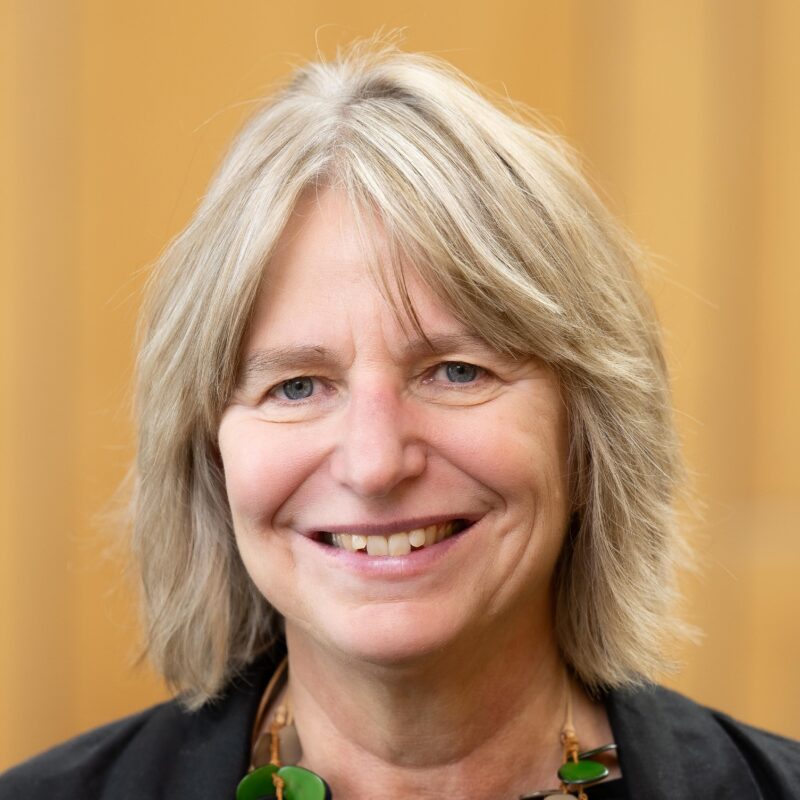
Project Lead | Mother Tree Project and Program
Suzanne Simard, Ph.D., is a Professor of Forest Ecology at the University of British Columbia and leads the Mother Tree Project and Program. Her research—showing that forests are cooperative, connected networks—has revolutionized forest ecology. Her TED Talk has reached millions, and her bestselling book Finding the Mother Tree continues to capture global interest. Named one of TIME’s 100 most influential people in the world in 2024, she champions regenerative forestry rooted in Indigenous knowledge.
Kimberly Carfore
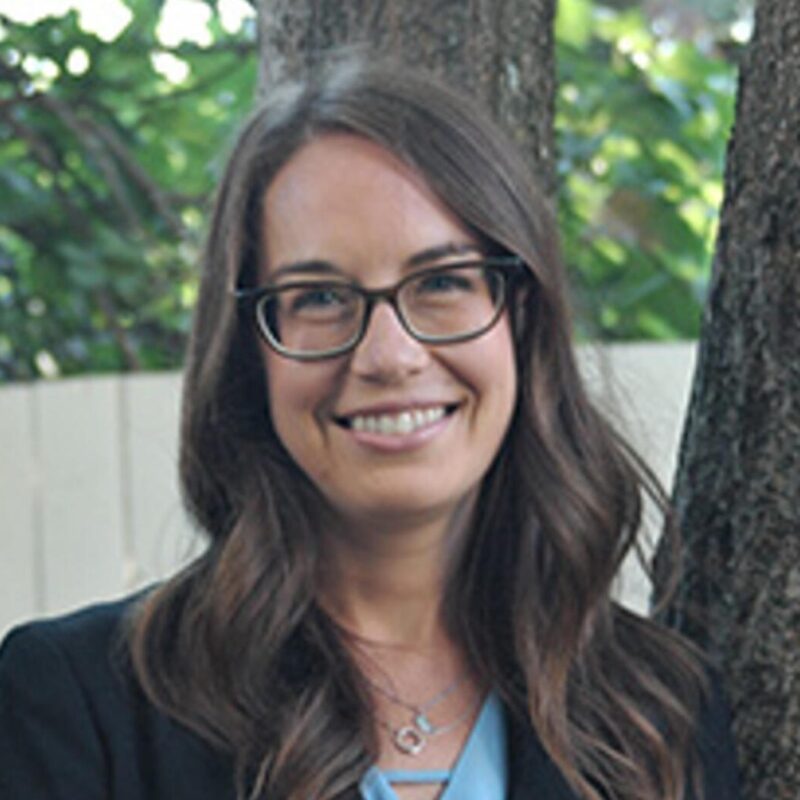
Professor | University of San Francisco
Kimberly Carfore, Ph.D., a professor in both the Environmental Studies and Theology and Religious Studies departments at the University of San Francisco, is the co-chair of the Religion and Ecology unit at the American Academy of Religion. She has published numerous articles on the topics of ecopsychology, ecofeminism, and nature immersion and wilderness experiences. Also a wilderness guide for universities and her nonprofit Wild Women, she hosts the podcast Return to the Fire with Wild Women.
Friday, March 27th
As the reality of a changing climate bears down, it is increasingly clear that the only realistic pathway forward is to protect and regenerate the natural systems that undergird life on earth. We need to take care of the place that takes care of us. It’s time to go big for nature, with the resources and effort commensurate with the scale of the challenge. But while “nature” is a vast overarching concept, the actual practice of implementing nature-based solutions is deeply local, enacted watershed by watershed, bioregion by bioregion. How can we transform governance to operationalize local action at scale? What does truly bioregional planning look like? Can we mobilize to enable landscape-scale regeneration before it’s too late? Join three leading policymakers working at a variety of different scales to learn what the cutting edge of nature-based governance looks like. Hosted by Brett KenCairn, founding Director of the Center for Regenerative Solutions. With: Wade Crowfoot, the Natural Resources Secretary of the State of California; and Nancy Scolari, Executive Director of the Marin Resource Conservation District.
March 27th | 3:00 pm to 4:15 pm | Crystal Ballroom, Hotel Shattuck Plaza
Panelists
Brett KenCairn
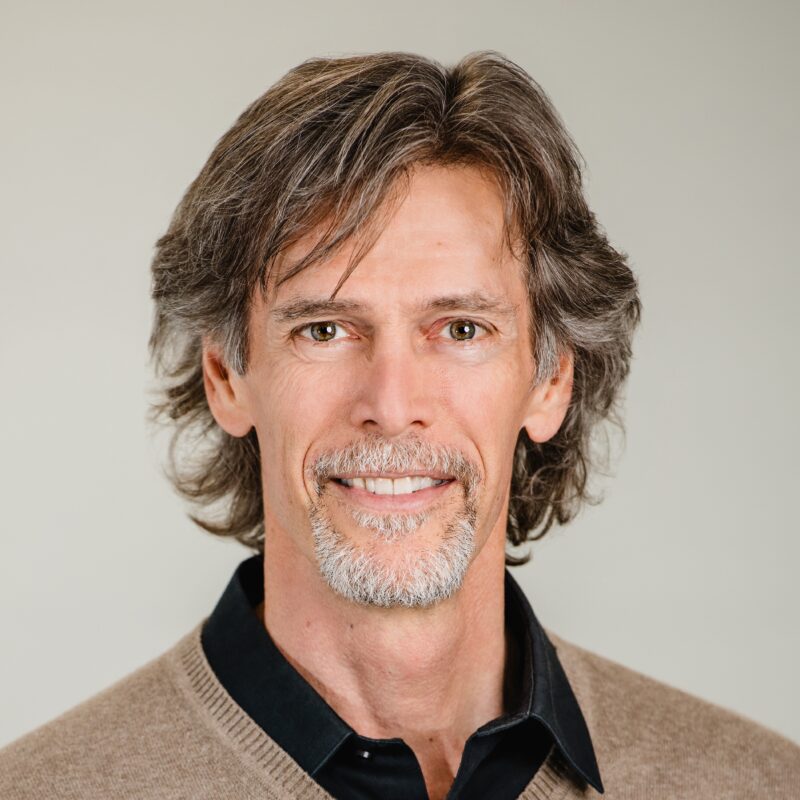
Founding Director | Center for Regenerative Solutions
Brett KenCairn, founding Director of the Center for Regenerative Solutions and Senior Division Manager for Nature-based Climate Solutions for the City of Boulder’s Climate Initiatives Department, has throughout his career supported community-based initiatives across the western U.S., particularly in rural, Native American, and other marginalized communities. He also co-founded several organizations, including: the Rogue River Institute for Ecology and Economy; Indigenous Community Enterprises; Veterans Green Jobs; and Community Energy Systems.
Wade Crowfoot
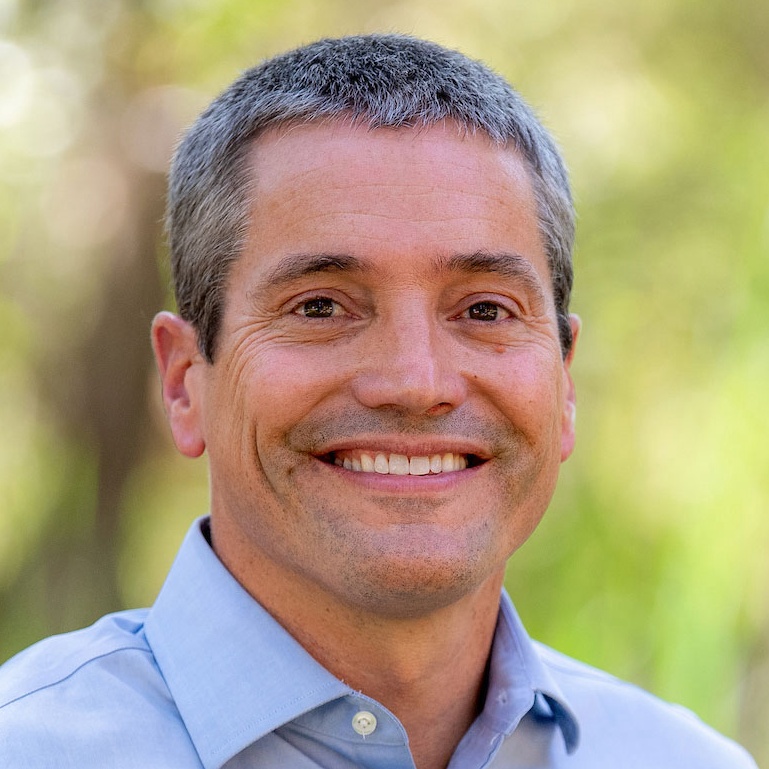
Natural Resources Secretary | State of California
Wade Crowfoot, on the frontlines of environmental leadership throughout his long career in the public and non-profit sectors, California’s Natural Resources Secretary since 2019, leads efforts to conserve California’s environment and natural resources, overseeing an agency of 25,000+ employees spread across 26 departments, commissions, and conservancies charged with stewarding the state's forests, natural lands, rivers, water supplies, coasts, wildlife and biodiversity, as well as helping oversee its world-leading clean energy transition, including a commitment to conserve 30% of its land and coastal waters by 2030. Secretary Crowfoot has led efforts to navigate California’s record-breaking droughts, floods, and wildfires and has initiated a new era of partnerships with the state's Native American tribes.
Nancy Scolari
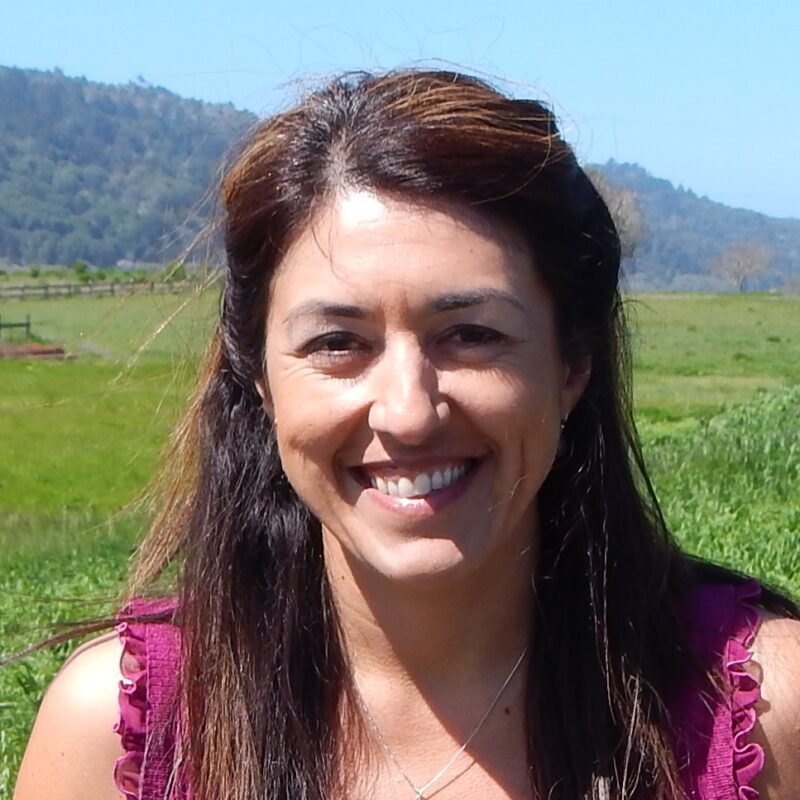
Executive Director | Marin Resource Conservation District
Nancy Scolari has led the Marin Resource Conservation District since 1998, partnering with local ranchers to protect and enhance natural resources in western Marin County. In 2008, she co-founded the Marin Carbon Project to advance research and implementation of climate-smart agriculture on local rangelands. During her tenure, more than 20 miles of streams have been restored, water quality has improved, and fish populations are rebounding. The district is progressing toward Marin County’s 2030 climate goals, with Nancy emphasizing collaboration as the foundation for lasting environmental stewardship.
Outdoor learning and exposure to nature are not simply nice ideas: a cascade of physical, emotional and academic benefits accompany even basic outdoor activities such as recess. For purposefully built models of outdoor and experiential learning, the results are even greater. During the COVID-19 pandemic a long-simmering movement around green schoolyards and outdoor education went from niche to increasingly mainstream. Today, thousands of school districts are working to transform the modern schoolyard from a monoculture of lawns and asphalt to verdant and resilient environments. A movement that is both interdisciplinary and systemic, the goal is to leverage school communities, education systems and school properties in order to restore and regenerate urban ecological systems while transforming how students learn along the way. In this session, visionary movement leaders will share their insights and strategies as to how they are using nature-based solutions to build resilience and transform education. With: Sharon Gamson Danks, founder and CEO of Green Schoolyards America; Rosey A. Jencks, environmental planner and water management expert; Julia Gowin, Urban Forestry Supervisor at CAL FIRE.
March 27th | 3:00 pm to 4:15 pm | Campanile Room, 6th Floor, Hotel Shattuck Plaza
Panelists
Sharon Gamson Danks
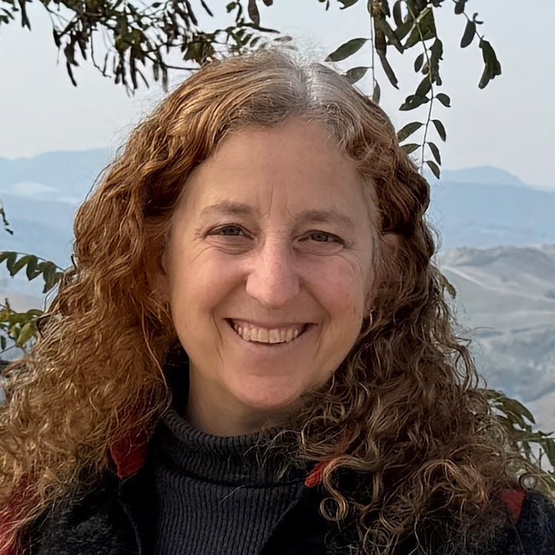
Founder and CEO | Green Schoolyards America
Sharon Gamson Danks, MLA-MCP, an environmental city planner, social entrepreneur, and author, founded Green Schoolyards America in 2013 and is its CEO. She has been a leading figure in the “green schoolyard” field for 25+ years, helping build a movement to transform school grounds at scale into vibrant, nature-rich public spaces that engage the community and nurture children as they learn and play. Sharon is the author of Asphalt to Ecosystems and also co-founded the International School Grounds Alliance.
Rosey Jencks
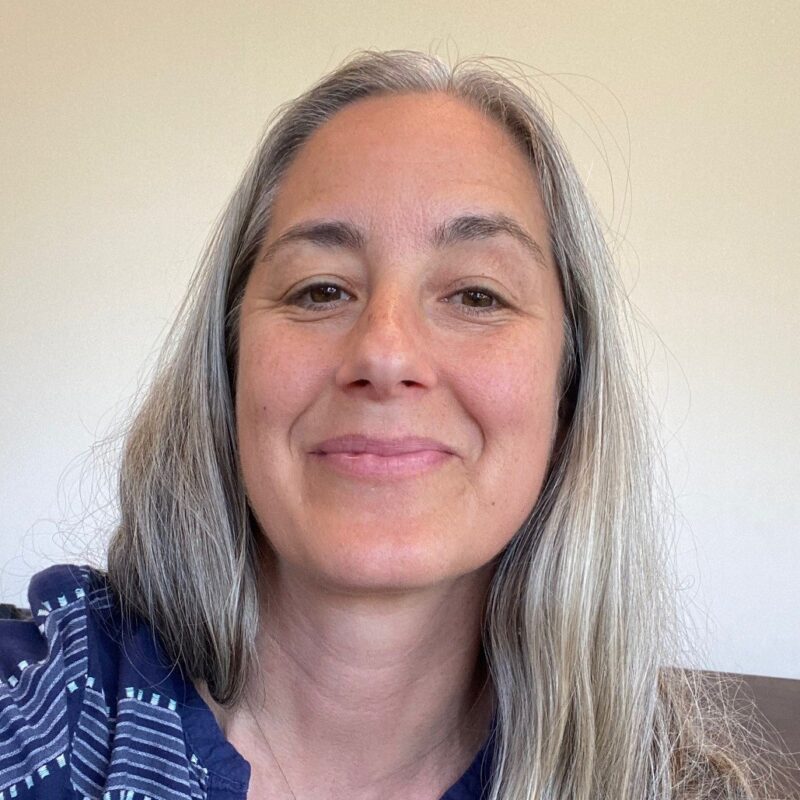
Environmental Planner
Rosey A. Jencks, MLA/EP, an environmental planner with over two decades of experience, leads technical teams in developing community-centered programs and plans for stormwater, wastewater, flood resilience, and sea level rise. Rosey, who has helped numerous communities re-envision their future by integrating green and nature-based infrastructure, believes climate resilience requires a “one water” mindset, focusing on land management and balancing green and grey infrastructure.
Julia Gowin
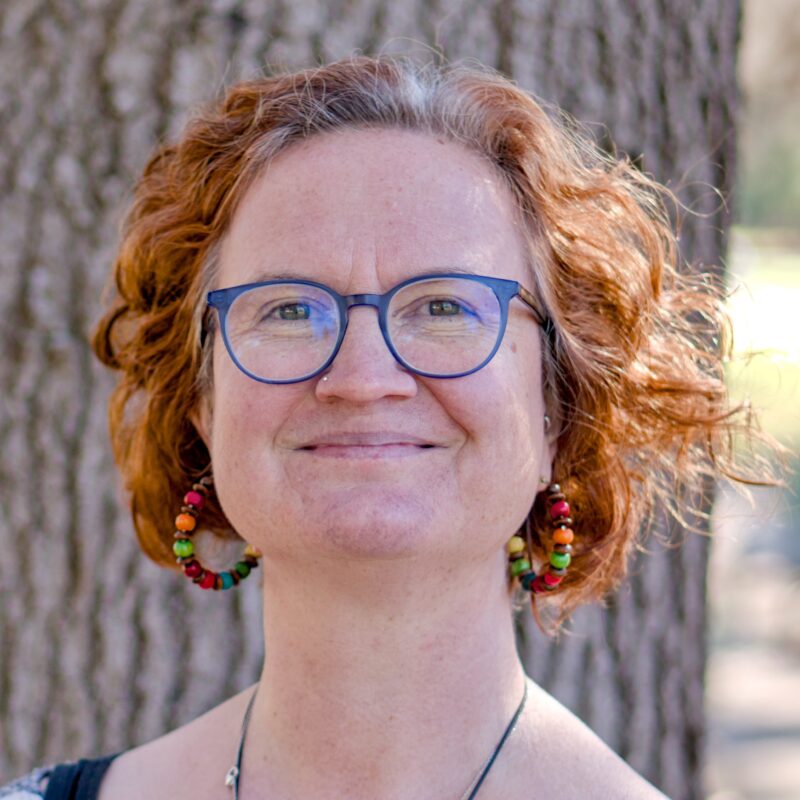
Urban Forestry Supervisor | CAL FIRE
Julia Gowin, Ph.D., the Northern California Urban Forestry Supervisor for the California Department of Forestry and Fire Protection (CAL FIRE), co-leads CAL FIRE’s Green Schoolyards Program. Julia is an International Society of Arboriculture (ISA) Certified Arborist, a California Registered Professional Forester, the incoming President for the Western Chapter of the International Society of Arboriculture (ISA), and a founding member of the California Schoolyard Forest System Initiative.
Saturday, March 28th
A growing body of evidence clearly shows that the health of urban dwellers and the health of the natural systems they live within are directly linked. Historically, privileged parts of urban landscapes have been managed primarily for aesthetic beauty and property value, not for their integral ecological role in the more-than-human world, and disenfranchised communities have been burdened with toxic sites and deprived of parks and tree cover. How can we create cooler, far less polluted and far healthier, safer and fairer urban spaces? In this session, three visionary urban activists and thought leaders from different parts of the country will share their stories and strategies that reveal how we can marshal biodiversity, social diversity, and human/nature collaborations to protect, enliven and empower our cities. Hosted by Brett KenCairn, founding Director of the Center for Regenerative Solutions and Senior Division Manager for Nature-based Climate Solutions for the City of Boulder. With: Elliott J. Royal, Executive Director of Charlotte, North Carolina’s West Blvd Neighborhood Coalition (WBNC); Tanner Yess, a co-founder of Groundwork Ohio River Valley who led the creation of one of the nation’s largest youth green workforce programs.
March 28th | 3:00 pm to 4:15 pm | Golden Bear Room, Hotel Shattuck Plaza
Panelists
Brett KenCairn
Founding Director | Center for Regenerative Solutions
Brett KenCairn, founding Director of the Center for Regenerative Solutions and Senior Division Manager for Nature-based Climate Solutions for the City of Boulder’s Climate Initiatives Department, has throughout his career supported community-based initiatives across the western U.S., particularly in rural, Native American, and other marginalized communities. He also co-founded several organizations, including: the Rogue River Institute for Ecology and Economy; Indigenous Community Enterprises; Veterans Green Jobs; and Community Energy Systems.
Elliott Royal
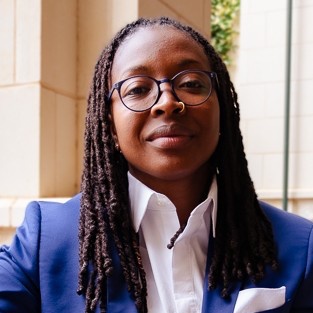
Executive Director | West Blvd Neighborhood Coalition
Elliott J. Royal, Executive Director of Charlotte, North Carolina’s West Blvd Neighborhood Coalition (WBNC), spearheads initiatives aimed at advancing equity, education, and economic mobility along Charlotte’s West Boulevard Corridor. She has long been deeply engaged in her community, working to strengthen resident involvement and build partnerships. Among other projects, Elliott oversees the Seeds for Change farm and its youth honey enterprise, is establishing a Youth Advisory Council, and is leading the launch of Three Sisters Market, a community-owned food cooperative designed to improve food access and health equity for the Black community, which has been without a full-service grocery store for 36+ years.
Tanner Yess

Youth and Workforce Officer | Groundwork USA
Tanner Yess, a co-founder of Groundwork Ohio River Valley and Groundwork USA’s Youth and Workforce Officer, has led the creation of one of the nation’s largest youth green workforce programs and brought Climate Safe Neighborhoods to Cincinnati. An alumnus of the Peace Corps who worked on a fishing vessel in the Bering Sea after earning a degree in ecology and co-founded Cincinnati’s Tri-State Trails Coalition, he is also a National Park Service “Mountains to Main Street” Ambassador; SHIFT Emerging Leader; and recipient of the 2018 Murie Center Rising Leader Award.
This session will be facilitated by Brett KenCairn, founding Director of the Center for Regenerative Solutions and Senior Policy Advisor for Climate and Resilience in the City of Boulder’s Climate Initiatives Team. We will gather those working in a wide range of ways to design and implement Nature-based Solutions towards solving critical problems.
March 28th | 4:45 pm to 6:00 pm | Ashby Room, Residence Inn
Panelists
Brett KenCairn
Founding Director | Center for Regenerative Solutions
Brett KenCairn, founding Director of the Center for Regenerative Solutions and Senior Division Manager for Nature-based Climate Solutions for the City of Boulder’s Climate Initiatives Department, has throughout his career supported community-based initiatives across the western U.S., particularly in rural, Native American, and other marginalized communities. He also co-founded several organizations, including: the Rogue River Institute for Ecology and Economy; Indigenous Community Enterprises; Veterans Green Jobs; and Community Energy Systems.
